 Litia Cava
Unclear lines of authority in the proposed Education Bill are raising concerns about governance and accountability.
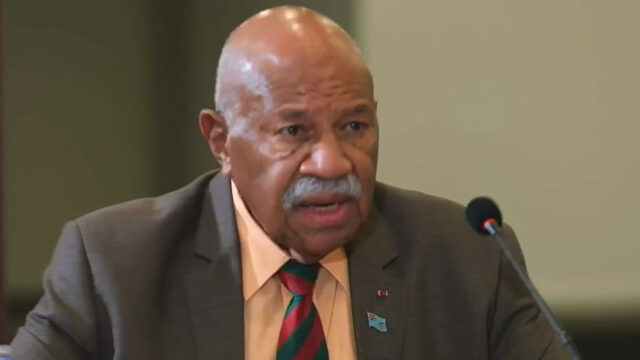
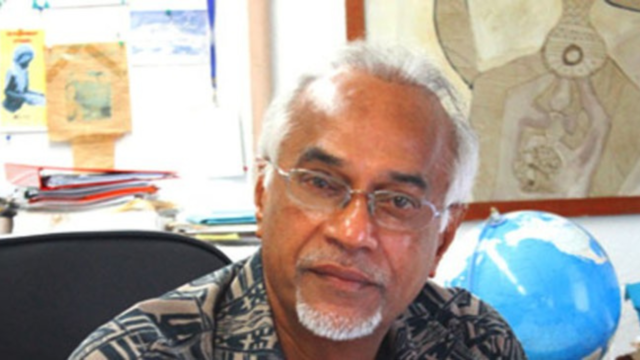
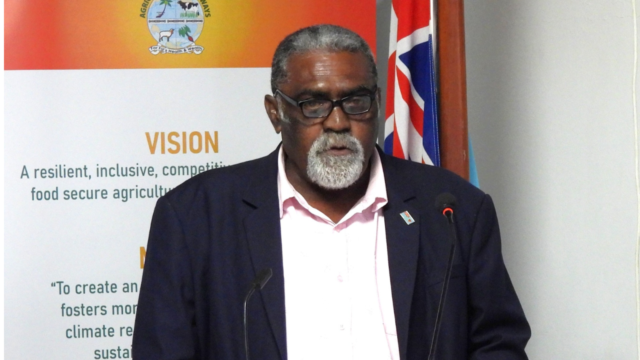
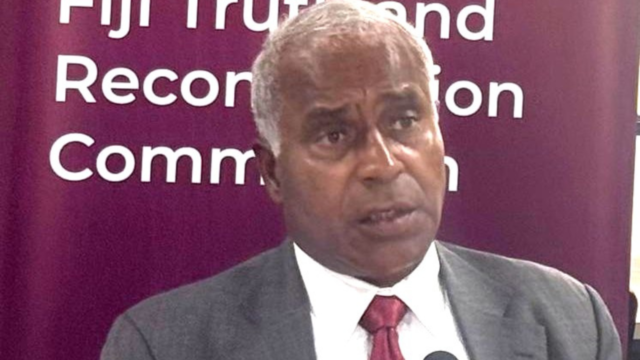
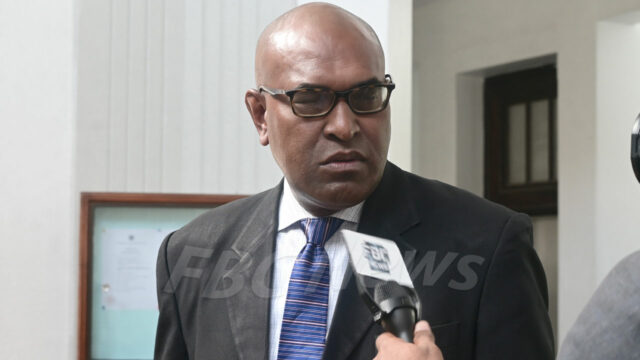
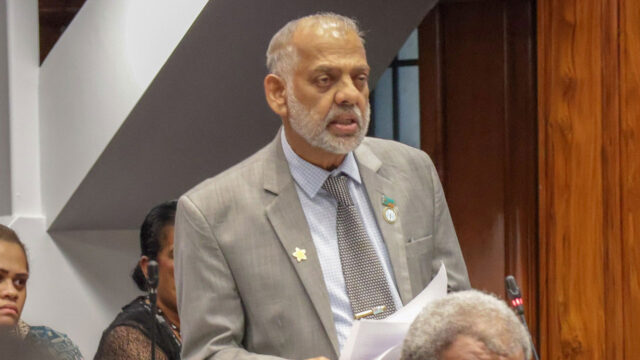
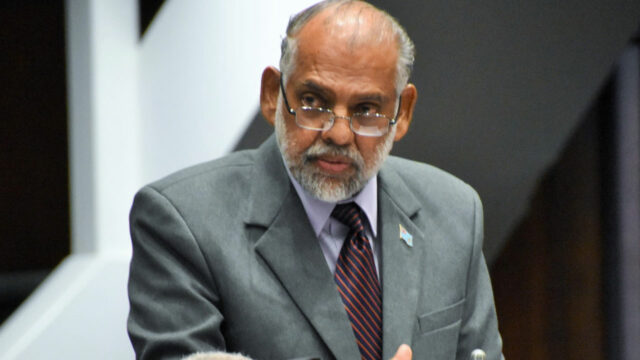
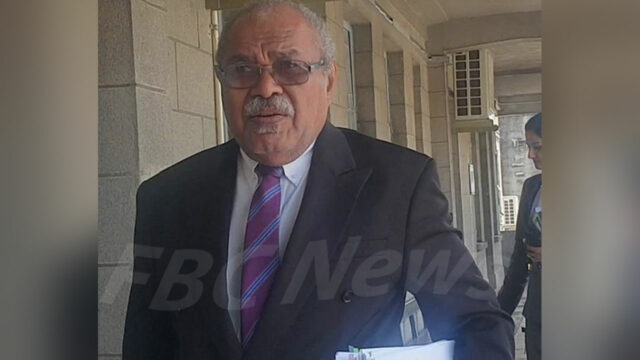
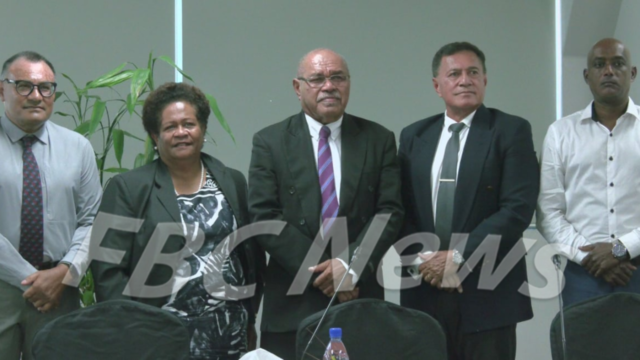
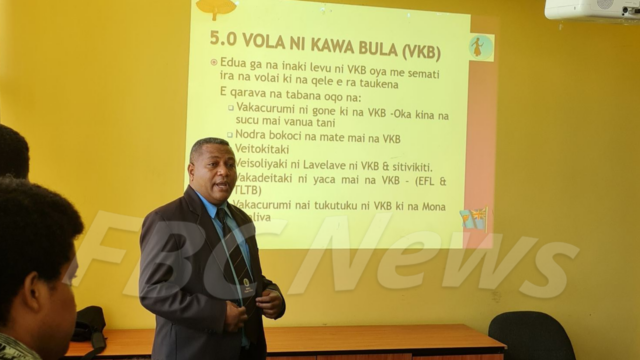
Education Commission Chair Vijay Naidu told the Standing Committee on Justice, Law and Human Rights that clauses 44 to 46 fail to clearly separate the roles of the Education Minister, Permanent Secretary, school boards, and principals.
He said the bill leaves key operational boundaries to regulations instead of law, risking overlapping authority.
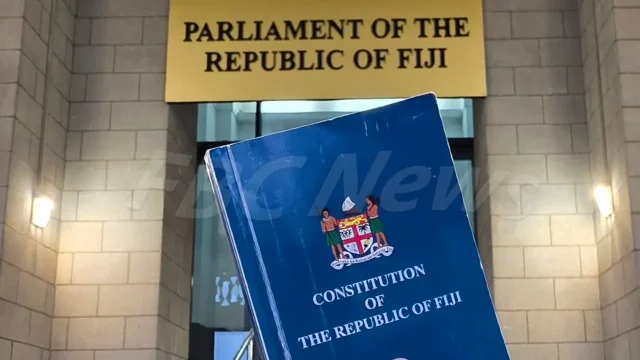
“So this creates a risk of overlapping authority and this is also mentioned in our Constitution, where it says good governance, including the limitation and separation of powers. So what we are suggesting, Chair and honorable members, is to define protected operational boundaries in the bill.”
Naidu urged the committee to define firm boundaries in the bill to align with constitutional requirements for the separation of powers.
He proposed reserving specific powers for the Permanent Secretary, outlining delegated authority for school boards, and limiting the Minister to broad policy direction.
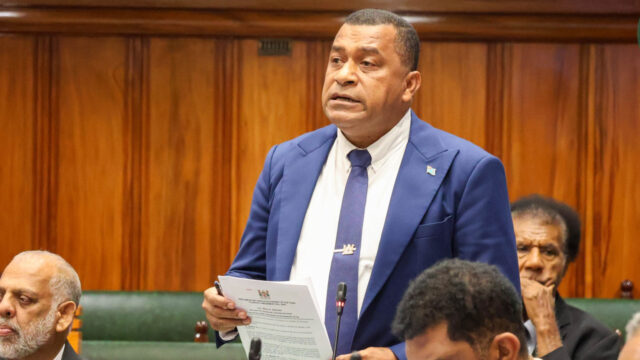
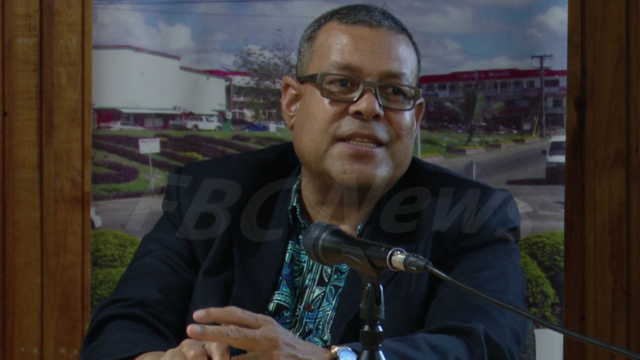
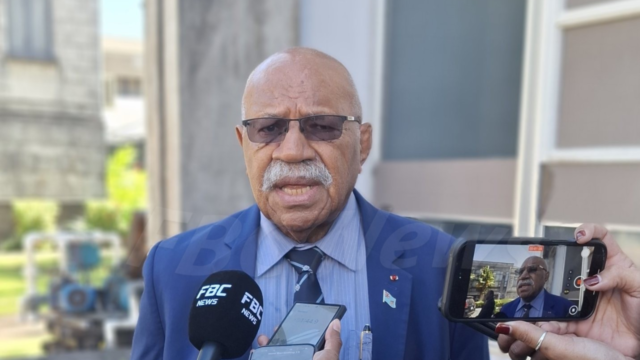
Committee Member Faiyaz Koya questioned whether the provisions apply only to government schools, noting that Division 2 refers specifically to those under State authority.
Naidu confirmed the Commission’s concerns extend to both government and government-aided schools, as clear separation of powers is essential across both systems.
Koya responded that the issue requires further review, particularly given the complex structure of government-aided schools. He said the matter remains under deliberation.
Clauses 44 to 46 set out how these schools are managed.
A government school must have a Board of Governors appointed by the Minister, who also decides the Board’s powers.
For government-aided schools, control sits with the school’s controlling authority, which must appoint a school manager for the Permanent Secretary’s approval.
The Permanent Secretary can reject an appointment if the person has a criminal record involving dishonesty, fraud, violence, or immorality, or is an undischarged bankrupt.
Stream the best of Fiji on VITI+. Anytime. Anywhere.