 Riya Mala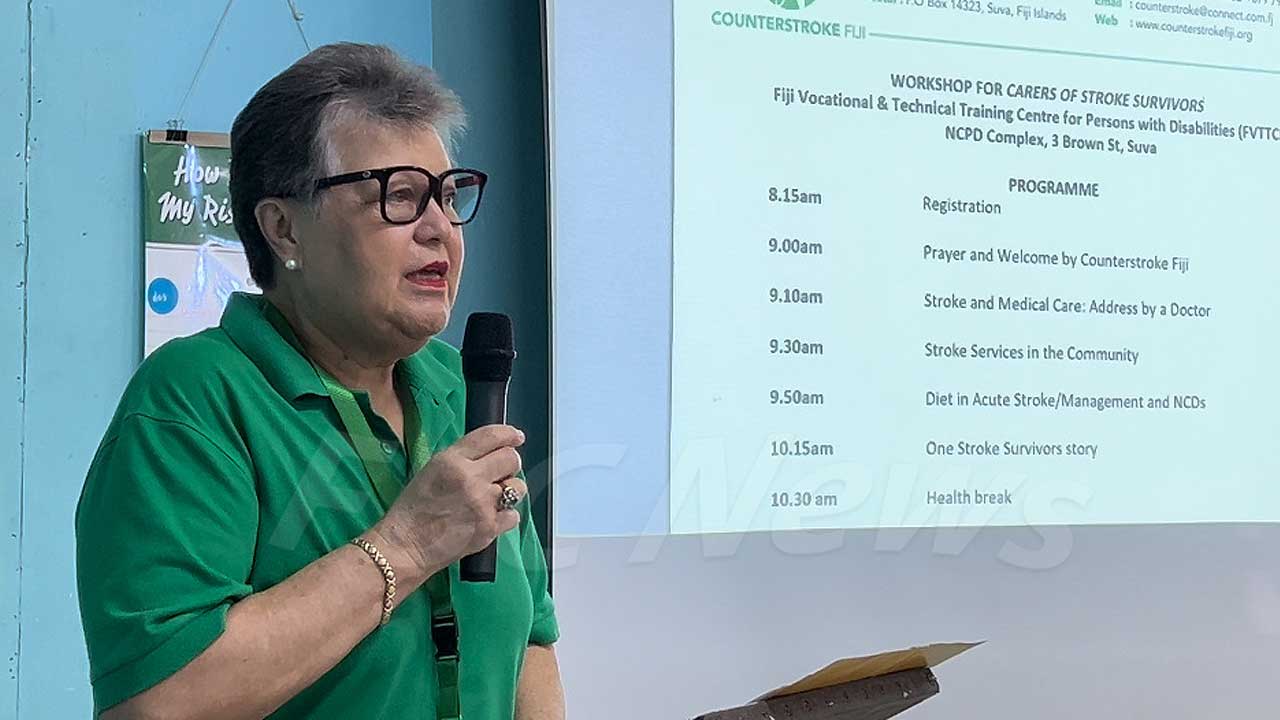
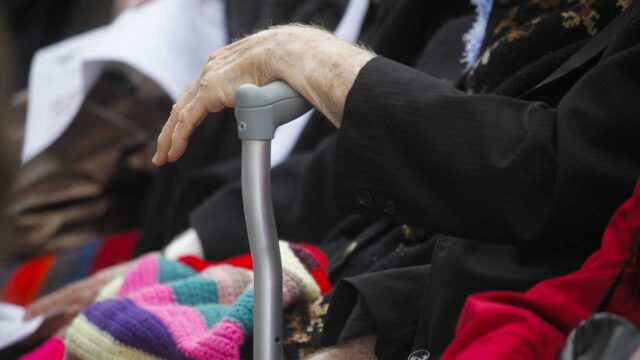
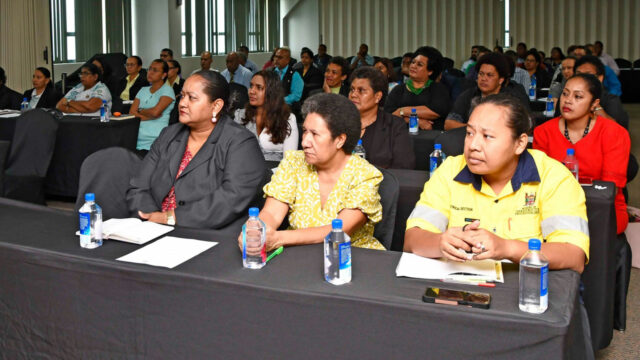
[File Photo]
Stigma surrounding stroke remains a major barrier that affects people’s decisions to seek help early.
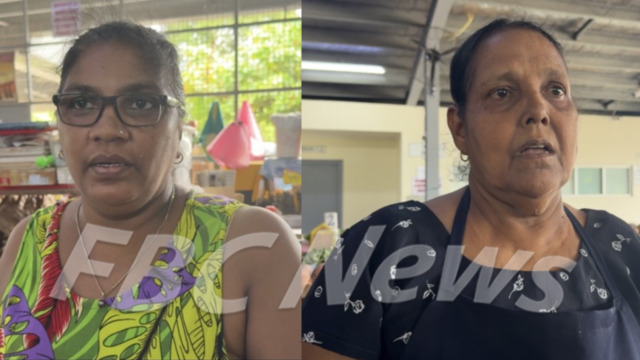
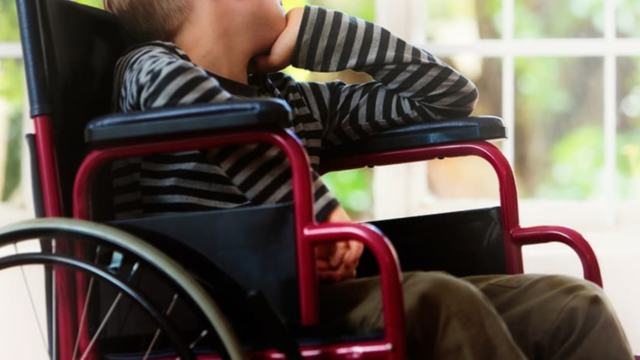
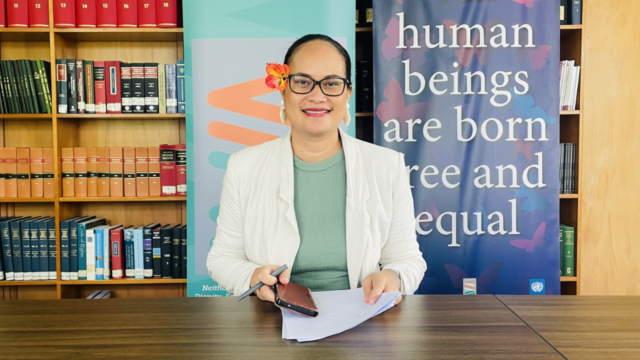
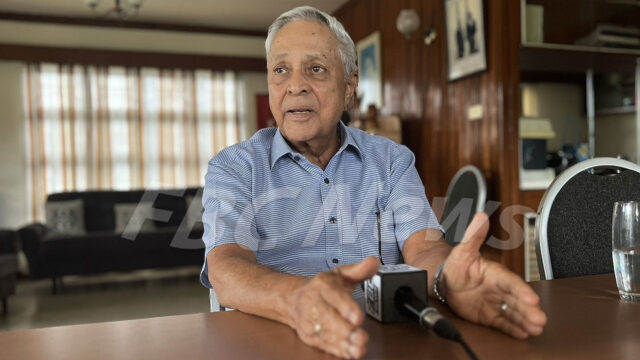
Counterstroke Fiji President Elizabeth Fong says stroke is closely linked to issues of disability. She explains that over the years, people have grown up with certain negative attitudes towards disability.
She adds that in many cultures, people who suffer a stroke are often looked down upon and referred to as dependents, stressing the need for a change in mindset and attitudes towards stroke survivors.
Counterstroke Fiji says one of the biggest impacts of a stroke is its effect on a person’s mental and psychological well-being.
“I’m dependent now, from being this independent person. I’m now dependent on people to bring my food, lift me up, and take me to the bathroom. So once you tell them they’ve got abilities, we’ll use those abilities to build them up so they can say, ‘Oh yes, I can.’”
Fong stresses the importance of encouraging stroke survivors by supporting their abilities and building their confidence.
NGO Coalition Chair Margaret Reid-Rounds says their main focus is to provide safe spaces for people suffering from non-communicable diseases so they can receive support and care.
“What we hope to be able to do, and what we will really focus on in 2026, is information sharing and outreach to the very people you’re talking about the people on the ground. So, for example, if we’re talking about stroke survivors, that’s where our focus will be.”
She says these spaces allow individuals to share their experiences, receive emotional and mental support, access reliable information, and be encouraged to manage their health and improve their quality of life without fear of stigma or discrimination.