 Litia Cava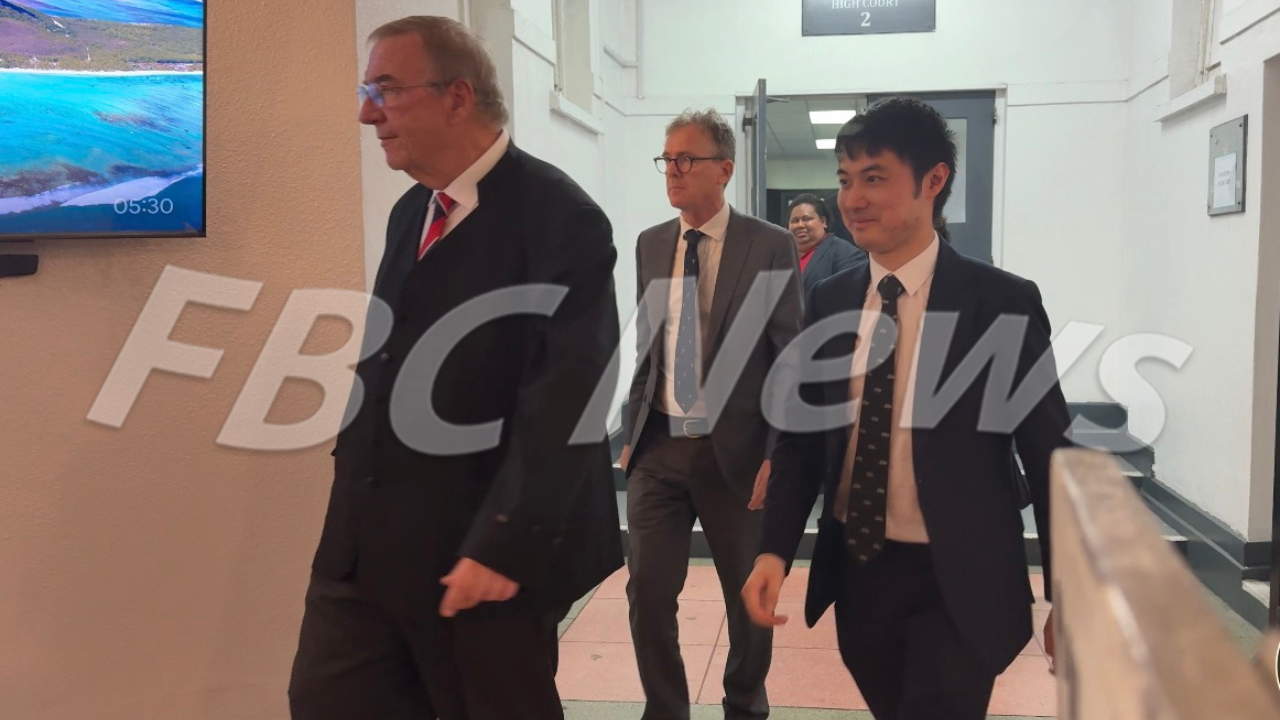
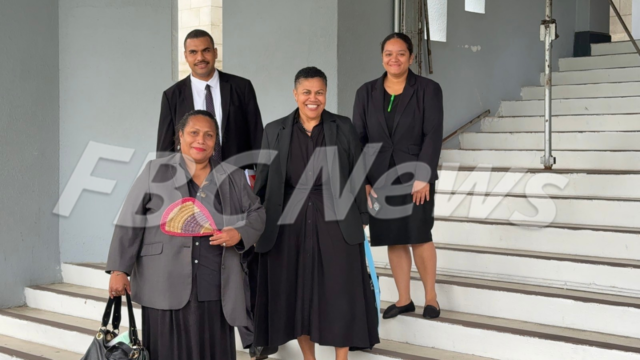
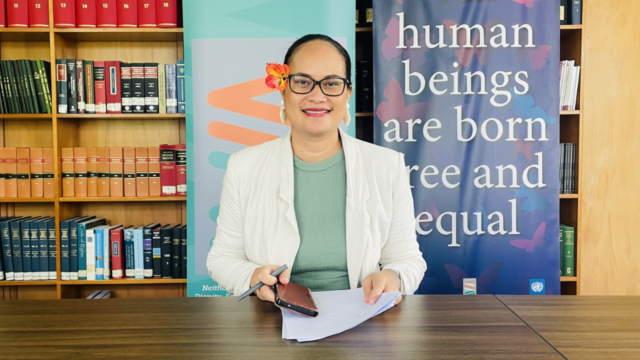
[Photo: LITIA CAVA]
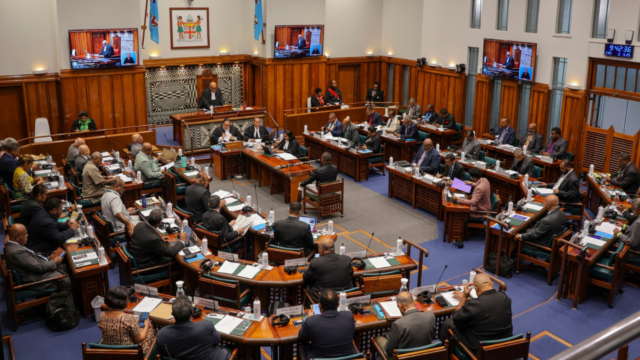
The High Court has been told that a Commission of Inquiry extension was legally ineffective.
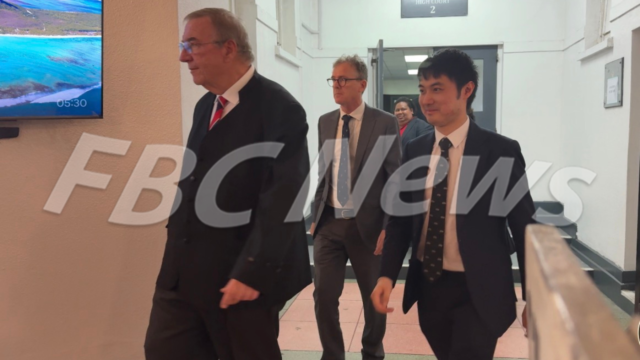
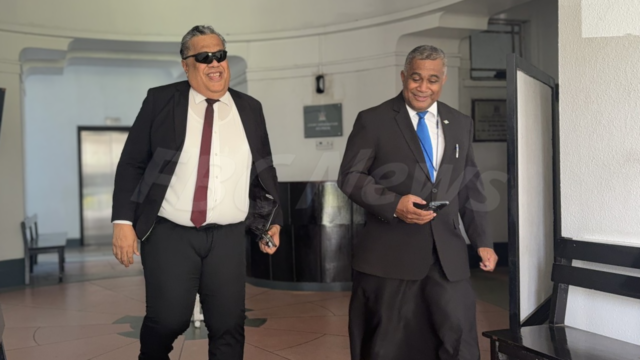
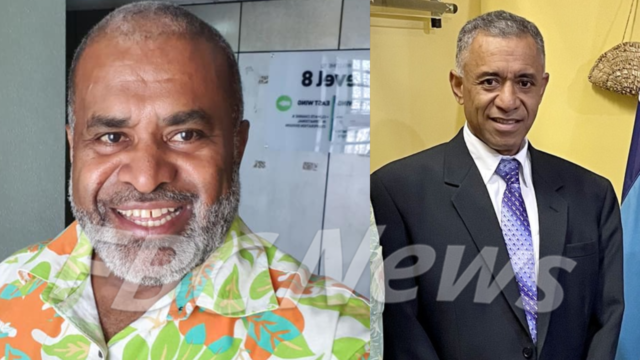
Counsel for former Attorney-General Graham Leung argued the document failed to meet strict statutory requirements under the Commissions of Inquiry Act.
The submission, advanced by Australian counsel Oliver Morris, focused on what he described as a fundamental defect in the extension process. He said the law requires a commission to be properly constituted, including being under the President’s hand and bearing the public seal of Fiji, requirements he said were not satisfied in the documents relied upon by the respondents.
Morris pointed to the Court of Appeal’s reasoning in Emperor Gold, arguing that the statutory framework allows alterations to a commission only through a valid new commission or formal revocation. He submitted that the extension letter relied upon in the case did not qualify as a commission at all, noting it lacked key formal elements and in parts was not even addressed to the Commissioner directly.
He argued that these defects went beyond technicality, stressing that the legislation is designed to safeguard against broad or informal expansion of state investigative power. According to him, the statutory scheme balances investigative authority with accountability, requiring formal commissioning and public gazettal to ensure transparency.
The court was further told that the extension document proceeded on the assumption that the original commission had already expired. Morris said that position, in itself, supported the interpretation that a fresh and properly constituted instrument was required to lawfully continue the inquiry.
On a separate but related issue, Morris addressed the de facto authority doctrine. He said it could not assist the Commissioner, relying on comparative reasoning from prior authority where continuation of powers beyond a commission’s expiry was found to fall outside lawful authority. He argued that awareness of expiry was evident on the record, pointing to transcript references where the Commissioner indicated knowledge of the end date and an intention to seek extension.
He submitted that the Commissioner nonetheless continued to exercise powers between the expiry date and the later extension, a period he described as critical to the legality of the inquiry’s actions. In his view, that gap removed any basis for reliance on de facto authority principles.
Turning to remedies, Morris addressed the position of the former Attorney-General, who is seeking damages for alleged unlawful consequences flowing from the report. He said the claim does not target the Prime Minister’s discretion in dismissing ministerial office, but instead focuses on the alleged unlawful conduct of the Commissioner and its downstream effects.
He submitted that the report’s publication formed the basis for multiple causes of action, including defamation, misfeasance in public office, and constitutional breach. Morris argued that the subsequent dismissal of the Attorney-General was a foreseeable and, in fact, foreseen consequence of the report, and therefore capable of grounding damages against the State.
He maintained that liability should attach to the State on the basis of vicarious responsibility for the Commissioner’s actions, rather than to the Prime Minister personally. He said the termination letter itself confirmed the causal link between the report and the dismissal decision.
Morris also rejected claims of procedural defect in joining parties to the proceedings, submitting that under the State Proceedings Act, the Attorney-General is the correct respondent. He said that even if there were technical objections, they would not be sufficient to defeat the substantive claim.
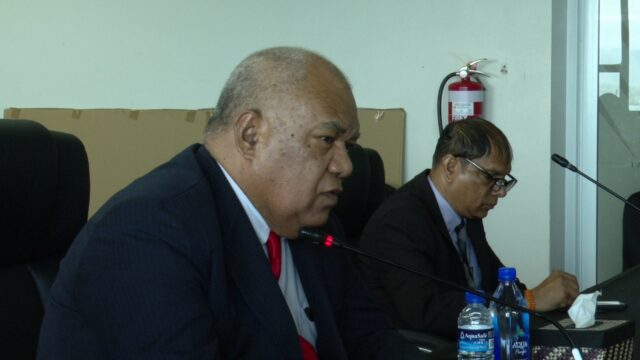
The High Court was also told that the findings and recommendations of a Commission of Inquiry carry no legal weight and should be set aside, with counsel Tanya Waqanika arguing that serious procedural and evidential failures have tainted the process from the outset.
Waqanika, appearing for FICAC Commissioner Barbara Malimali, focused heavily on what she described as a breakdown in legality surrounding the extension of the Commission.
She said key documents relied upon by other parties, including a gazetted notice and later correspondence from the Office of the President, failed to meet statutory requirements and could not validate the continuation of the inquiry.
She told the court that the gazette notice relied upon in the report was flawed and could not be treated as a proper authority for the Commission’s extension. She also rejected reliance on a subsequent letter from the President’s office, describing it as irrelevant and incapable of curing what she said was a fundamental defect in the process. According to her, acceptance of such correspondence would set a dangerous precedent where informal communications could substitute formal constitutional requirements.
Waqanika said the inquiry had already produced real-world consequences for the applicants, including loss of employment and reputational damage, which in her submission demonstrated that the Commission’s findings had been treated as legally effective despite their alleged defects. She said that once the report was acted upon, including referrals and public consequences, the harm became concrete and irreversible.
Central to her argument was the request for judicial review relief, including an order of certiorari to quash the report.
She said the case met the threshold for such relief in exceptional circumstances, pointing to authorities cited by the defence and arguing that the present matter involved serious breaches of natural justice that justified intervention by the court.
She also urged the court to consider vindicatory damages, arguing that the breaches were not only procedural but constitutionally significant. Waqanika said such damages were necessary to reflect public outrage, reinforce constitutional rights and deter future misconduct by state actors.
She referred to figures raised during submissions regarding the cost of the inquiry, including claims of millions in public expenditure, arguing that this underlined the need for accountability. She said the scale of spending, combined with alleged procedural failings, amounted to what she described as public concern warranting judicial response.
On costs, Waqanika supported indemnity costs, although she also accepted the court’s indication that it may consider a lesser contribution award if full indemnity was not granted. Other counsel also indicated similar positions on costs during the hearing.
High Court judge Justice Dane Tuiqereqere has granted respondents until May 1 to file supplementary submissions, stating that he would not confine them to any particular point in order to ensure full argument on the issues.
He repeatedly emphasised the importance of procedural fairness in the conduct of the hearing, allowing parties a broad scope to advance their positions before the court moves to a determination.
Justice Tuiqereqere is scheduled to deliver his judgment on August 3.