 Riya Mala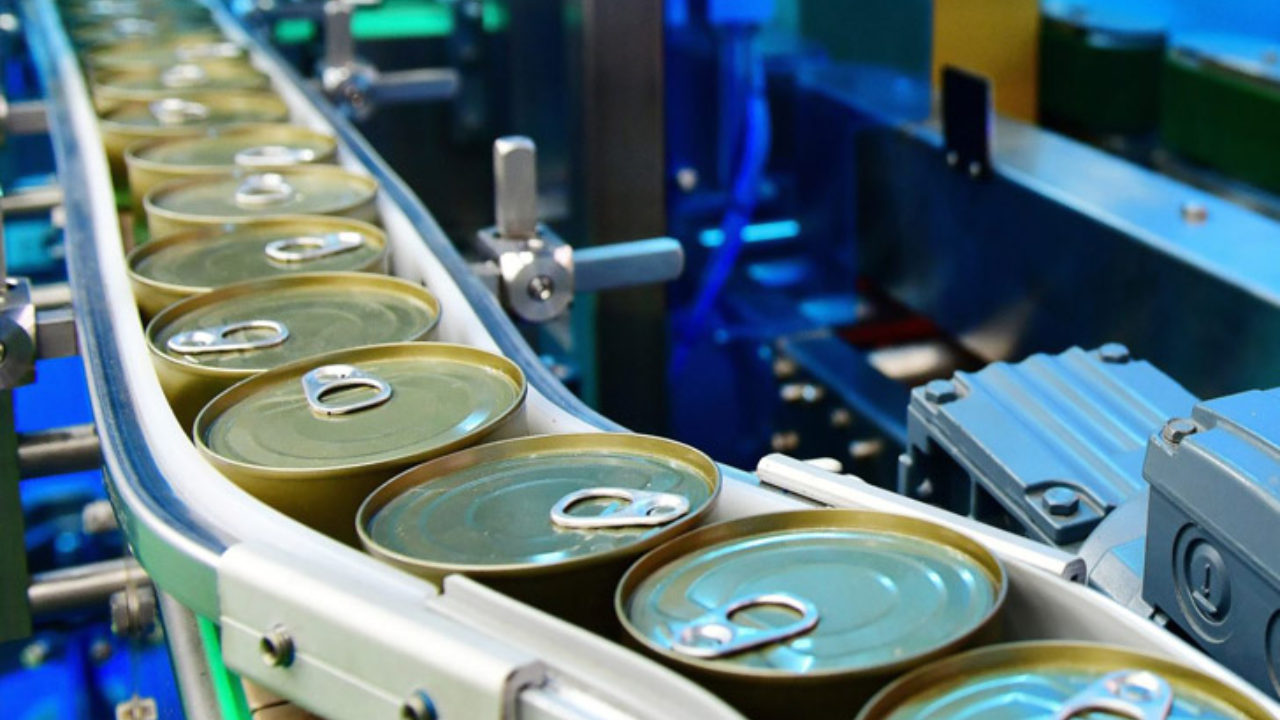
[Photo: FILE]
Fiji is importing nearly four times more food than it exports, highlighting growing concerns over the country’s food security and public health system.
Minister for Agriculture Tomasi Tunabuna has revealed that while Fiji exports around $300 million worth of fresh and processed produce, it spends more than $1.1 billion on imported food to meet local demand.
He says this widening gap is now driving urgent efforts to reshape the country’s food system through a proposed Food Bill, aimed not only at boosting local production but also at improving what and how Fijians eat.
Tunabuna says the bill will be guided by health data, with the Ministry of Health identifying the nutritional requirements needed for a healthy life, including calories, protein, and essential minerals.
“Have been even providing assistance to address our requirements in the sector. Now the Ministry of Health has got statistics on the amount that’s required per person to live a very healthy life, in terms of calories and energy requirements that we have, in terms of protein requirements and other minerals.”
Tunabuna says the plan will assess how much food Fiji can produce locally and what needs to be imported, stressing that the issue goes beyond supply and into dietary habits.
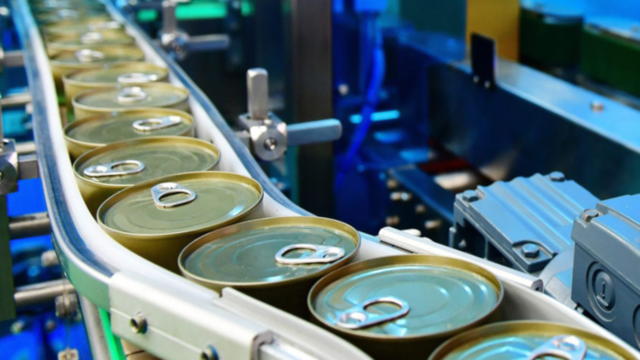
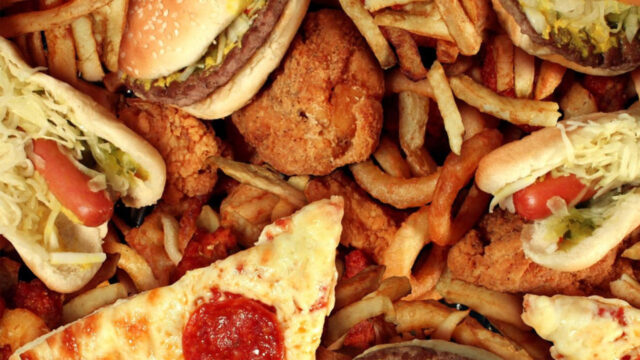
He warns that poor eating habits, driven by busy lifestyles and convenience, are contributing to worsening health outcomes, with more Fijians turning to canned and processed foods and prioritising fullness over nutrition.
Tunabuna adds that even in rural communities, reliance on imported supermarket foods is increasing, reflecting a shift away from traditional, locally grown diets.
Minister for Health Dr Ratu Atonio Lalabalavu says while the ministry sets food standards, it also deals with the impact of unhealthy diets and will work with stakeholders to promote healthier food choices.
“We have to work with relevant stakeholders, such as the Ministry of Agriculture and the Ministry of Trade. We need to strengthen the country’s understanding of healthy eating and ensure that only healthy food is made available to our citizens.”
The proposed Food Bill is expected to take a whole-of-government approach, bringing together agriculture, health, and education to address both production and consumption challenges.