 Litia Cava
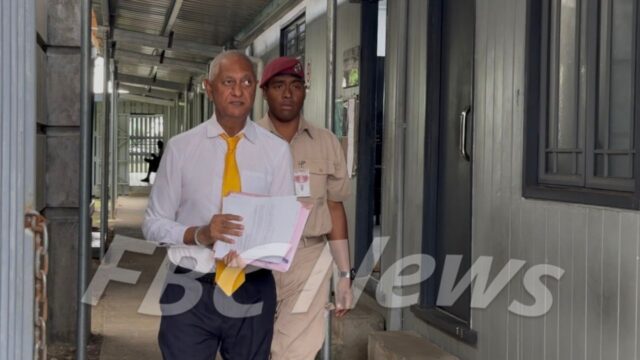
The Ministry of Immigration processes 500 to 800 work permit applications each month, says Immigration Minister Viliame Naupoto.
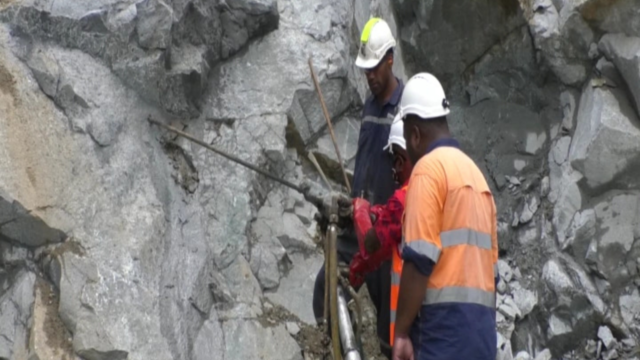
Most are for low- and mid-skill roles, including drivers, construction workers and block layers.
Most applicants come from Bangladesh, the Philippines, India, and Pakistan.
Work permits, according to the Minister, require proof that no local can fill the role, and employers must advertise vacancies first.
Contracts must meet minimum wage standards and include grievance procedures for workers.
“I was looking at the statistics for last year, some months even eight hundred new work permit applications, and the difference now is that from my experience in the past, those that came overseas to come in and work were mostly on the high skill level. Now it has dropped right down to, for example, drivers, block layers, construction workers, and they are coming from, most of them coming from Bangladesh, they are coming from the Philippines, the Philippines has got a very good process, they prepare their citizens to go and work overseas, and they come in and work.”
Naupoto warned that foreign workers risk exploitation if they switch employers illegally, as their permits are tied to specific companies.
This mirrors cases seen in countries like Australia, where employees are threatened with deportation if they complain about conditions.
Employers, Naupoto states, often provide housing, but the influx of foreign labor can create competition with locals for limited accommodations.
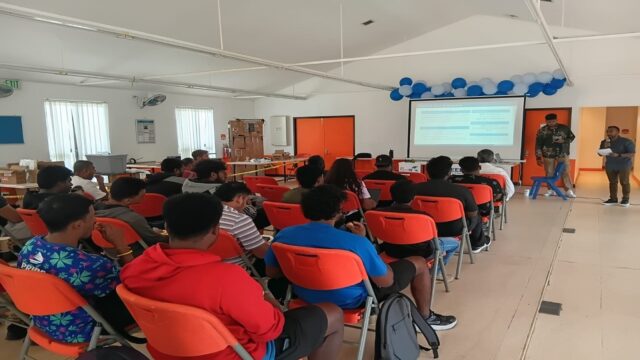
Applicants also undergo police clearances and medical checks with additional screening at the border to block non-compliant individuals.
The Minister said Fiji was aware of human trafficking risks. Committees and training programs have been established to detect and prevent exploitation.
While the Ministry sets the conditions for entry, oversight largely ends once workers pass the border, leaving enforcement of workplace rights dependent on employers and other agencies.
Naupoto emphasized the importance of balancing the need for labor with protecting workers and locals, warning that violations of work permit conditions carry serious consequences including deportation.