 Mosese Raqio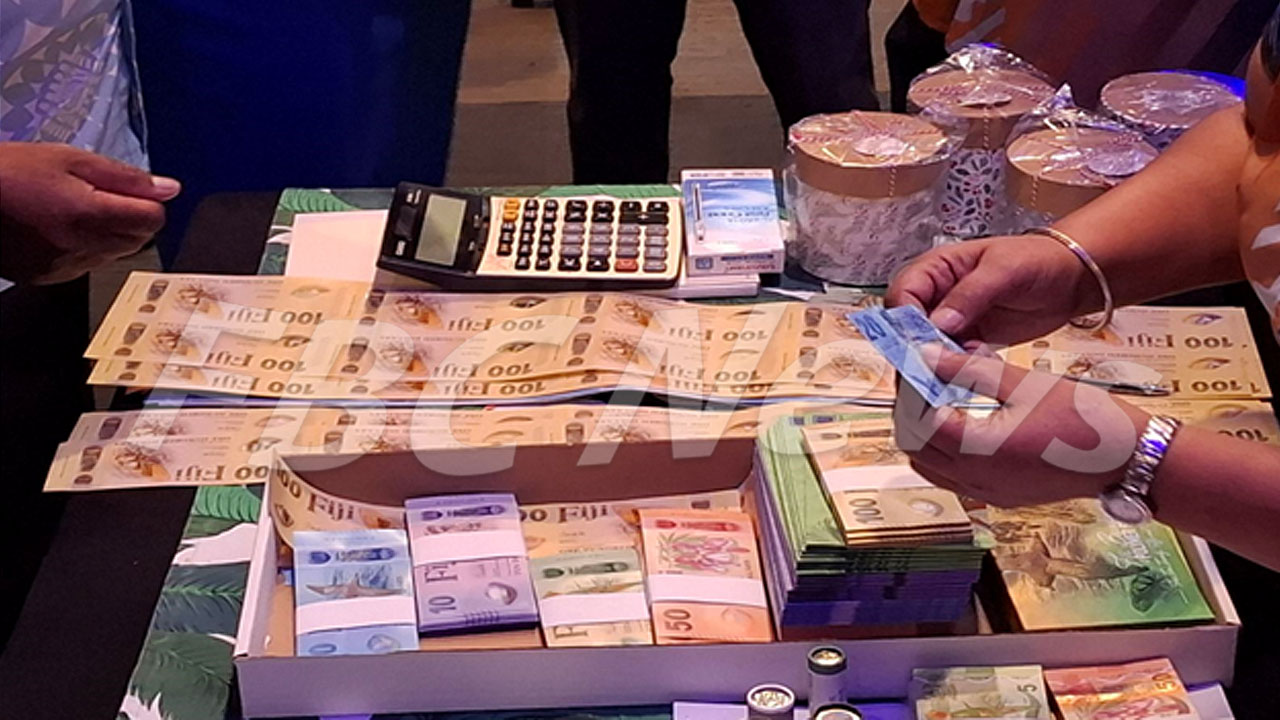
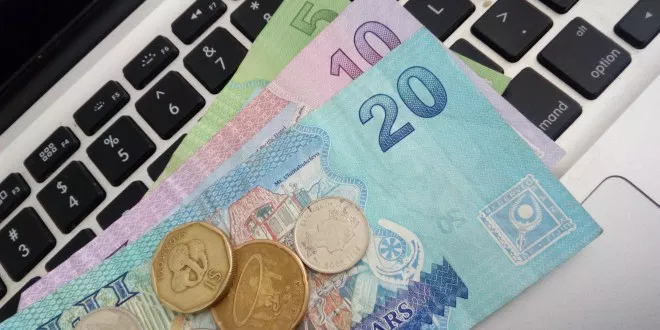
The Reserve Bank of Fiji has rolled out a fully redesigned series of banknotes with stronger security features.
The new notes also mark a full shift to polymer to better protect the Fiji dollar from counterfeiting.
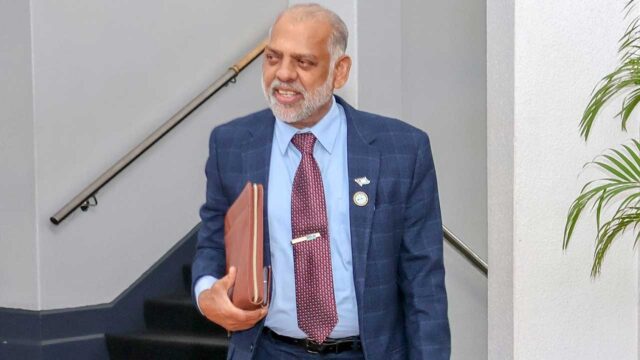
RBF Governor Ariff Ali said the upgrade was essential as cash remains the country’s most used form of payment, and the bank must safeguard confidence in the currency.
Ali explained that each note carries the state’s pledge of value and the new security elements respond to global counterfeiting risks.
He said the move to polymer would extend the life of the notes, cut replacement costs and handle daily wear more effectively.
“A recent study initiated by the Reserve Bank revealed that cash is still the principal form of payment for day-to-day expenses, which is in line with the results shared by MasterCard market research. As of yesterday, the value of total notes and coins in circulation held outside the Reserve Bank was just under 1.2 billion or 8% of our GDP, compared with just $14 million when we got independence in 1970.”
The new series, produced by Crane Currency after years of technical review, keeps Fiji’s familiar colours and front-facing designs while introducing features that align with modern currency standards.
Ali states the project also supports environmental efforts, including carbon-offsetting through a solar electrification project in Nakida Village.
President Ratu Naiqama Lalabalavu, who launched the new notes, says the upgraded polymer series reflects Fiji’s sovereignty and economic resilience.
He adds that the strength of the Fiji dollar mirrors solid economic performance, controlled inflation and high foreign reserves.