 Sainimili Magimagi
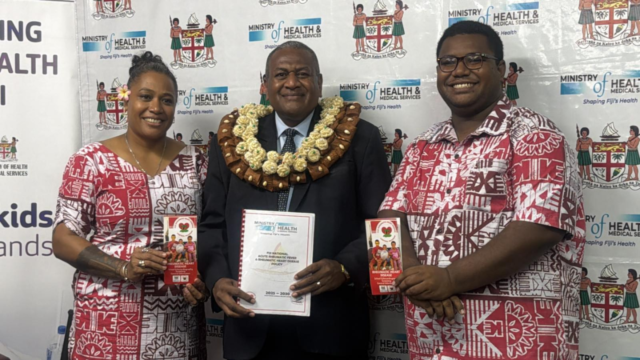
The newly revised national policy on Rheumatic Fever and Rheumatic Heart Disease is being rolled out with a clear goal to stop young Fijians from dying from a preventable disease.
Head of the Family Health Unit, Dr Rachel Devi, says the updated policy strengthens how Fiji detects, treats, and manages the disease, which continues to affect children and young adults across the country.
“For any program to be sustained and built up in the ministry or anywhere, we need to make sure we approach it using the health systems, making sure our governance structures are right. We’ve got people to work, right? And literally medications on the ground. We need to make sure finances are there.”
The revised framework builds on earlier efforts but now aligns more closely with global best practices, including the World Health Organization health systems approach.
Dr Devi says the policy focuses on strengthening governance, improving service delivery, ensuring consistent medication supply, and expanding community engagement.
She stresses that RHD remains a major concern among younger populations.
“Many of those affected are children and young people. Some die early because their hearts fail and that is something we can prevent.”
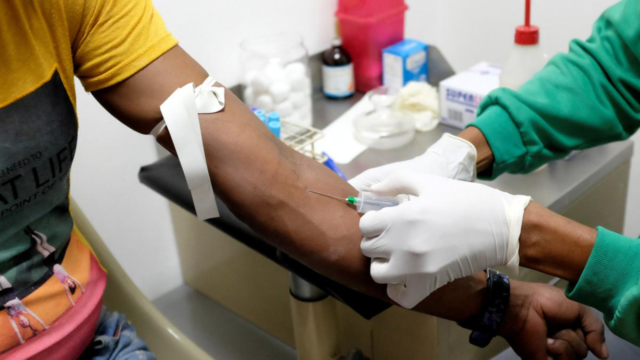
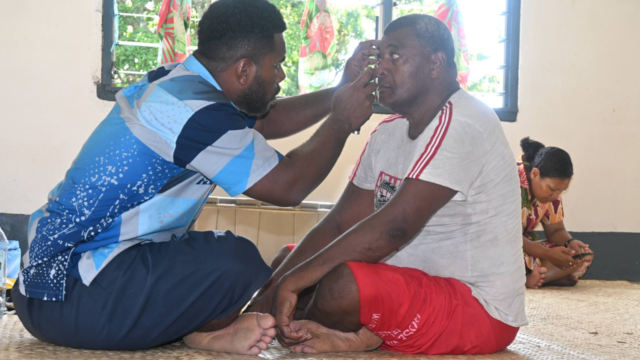
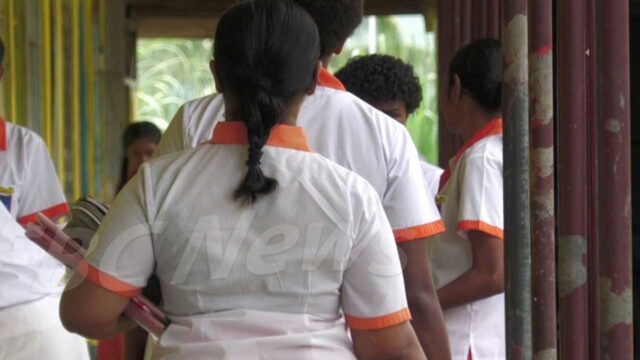
The Ministry has also scaled up nationwide screening programs, particularly in schools, to detect cases earlier. Data is now being used to refine age groups for screening and improve intervention strategies.
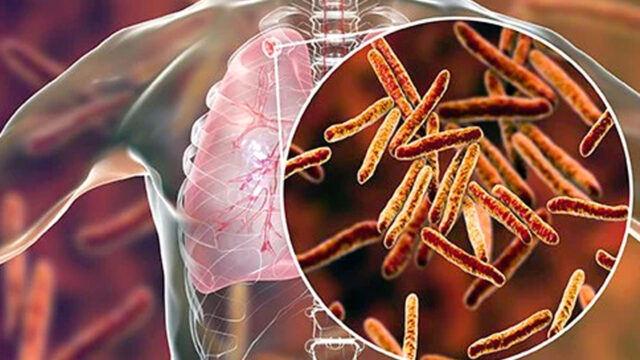
The updated policy comes after years of research and evolving medical evidence, particularly around Group A Streptococcus infections a leading cause of rheumatic fever.
Dr Devi says while systems were already in place, the focus is now on strengthening and sustaining them.
Stream the best of Fiji on VITI+. Anytime. Anywhere.