 Apenisa Waqairadovu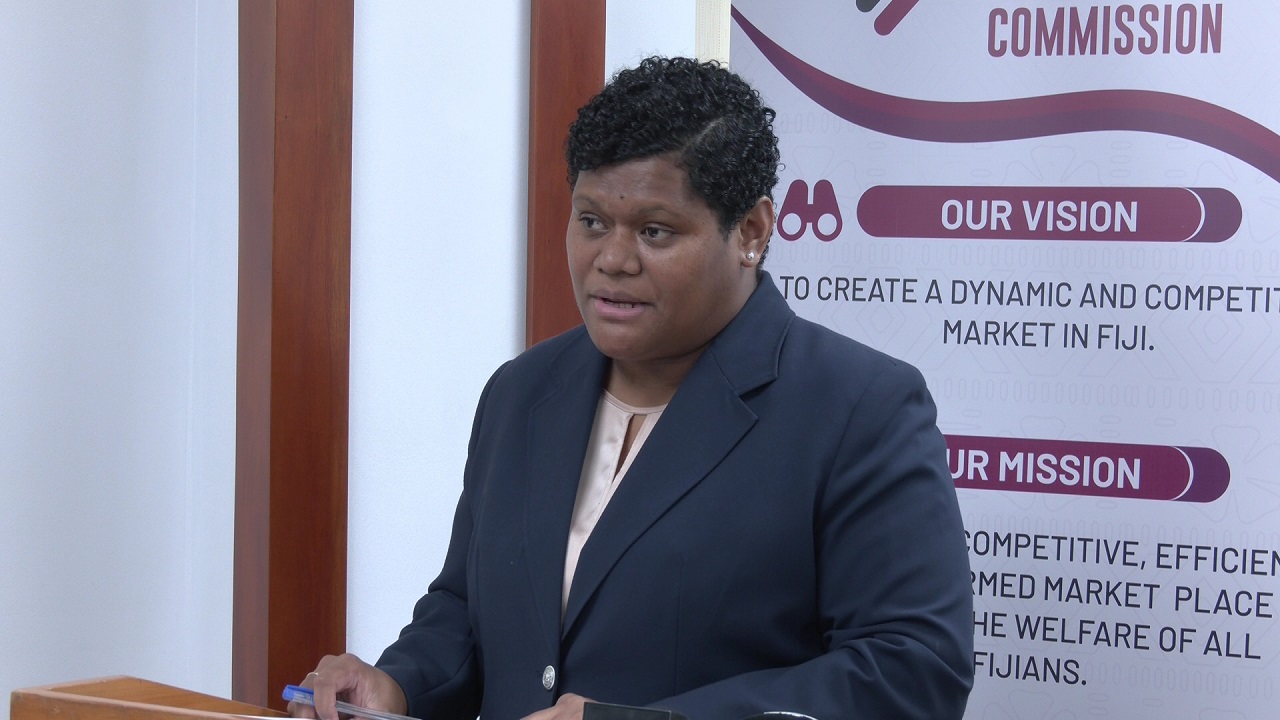
The Fijian Competition and Consumer Commission has stood by its decision to approve a new electricity tariff, despite differing views within Government.
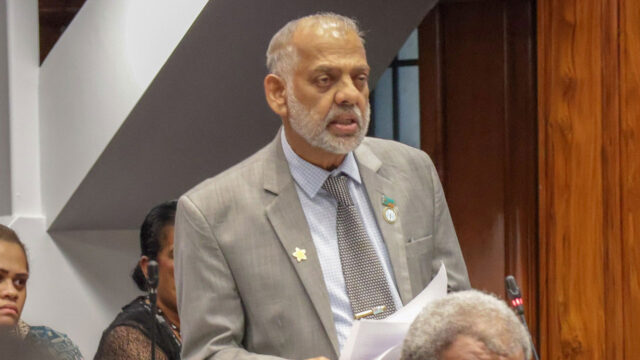
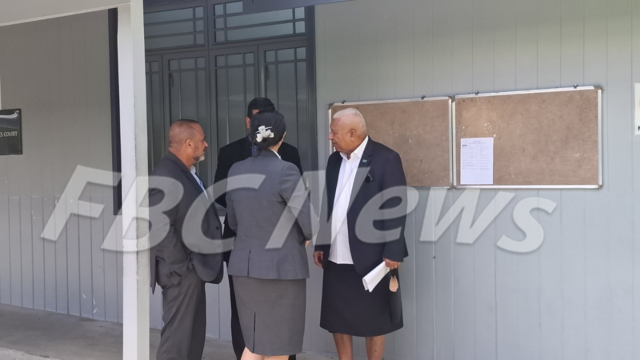
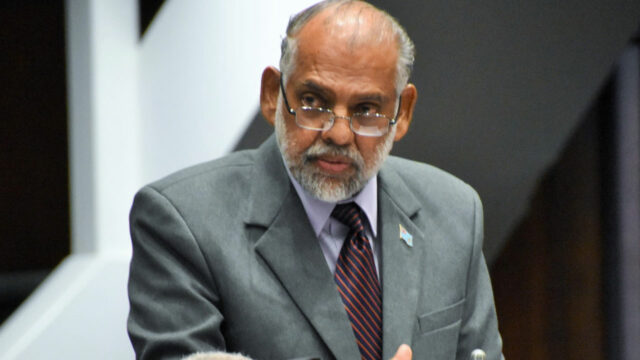
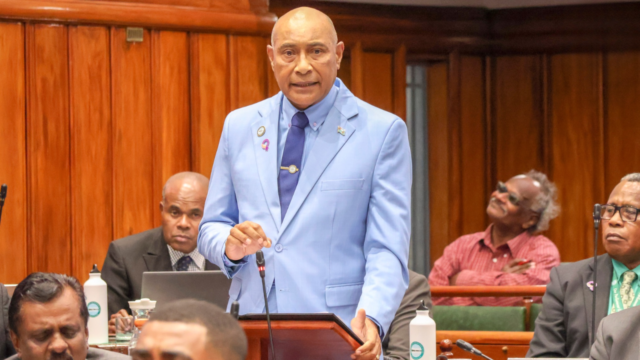
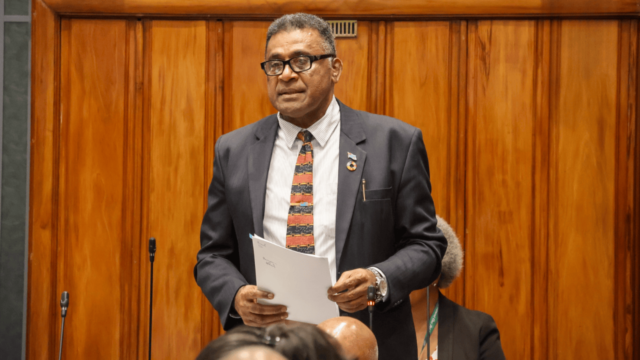
Prior to the announcement, Minister for Public Works Ro Filipe Tuisawau questioned the timing of the decision, describing it as premature while discussions were still ongoing. He also said the Government had made its position clear to FCCC, calling for further engagement to explore options that would avoid tariff increases.
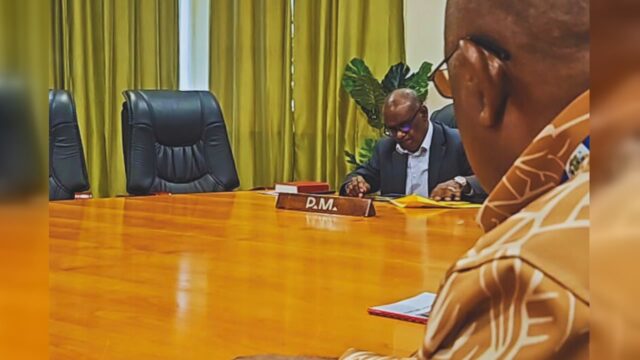
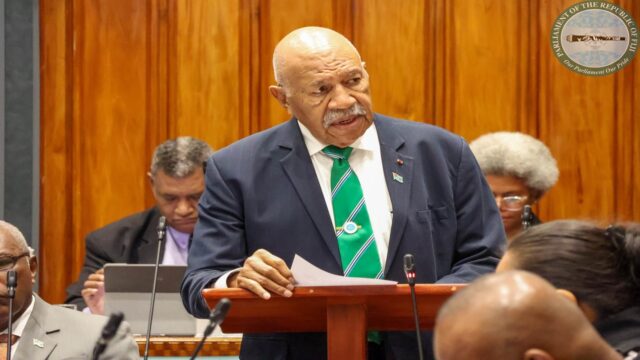
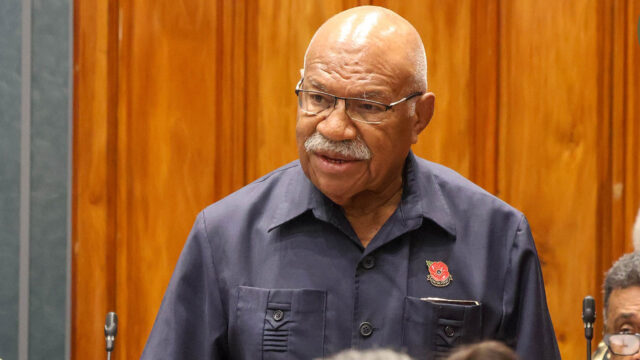
However, Prime Minister Sitiveni Rabuka has since backed the FCCC decision, reaffirming the Commission’s independence in making regulatory determinations.
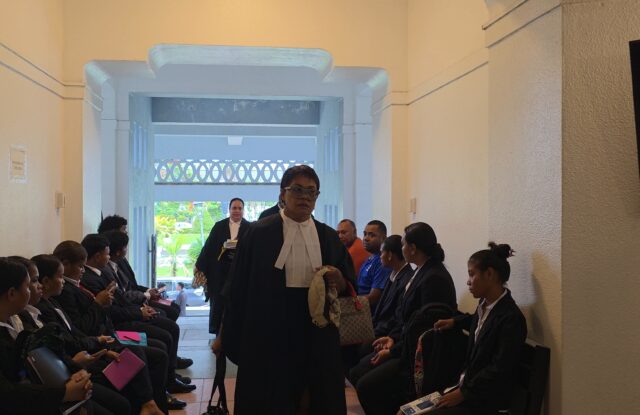
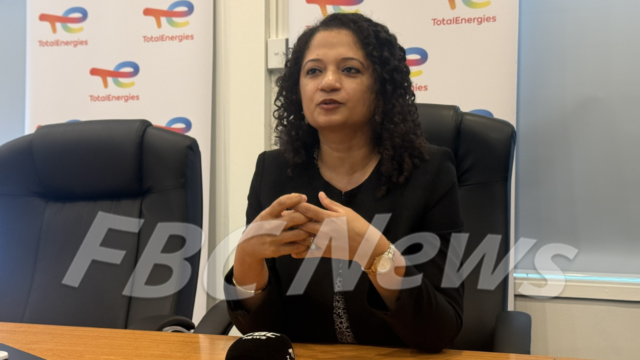
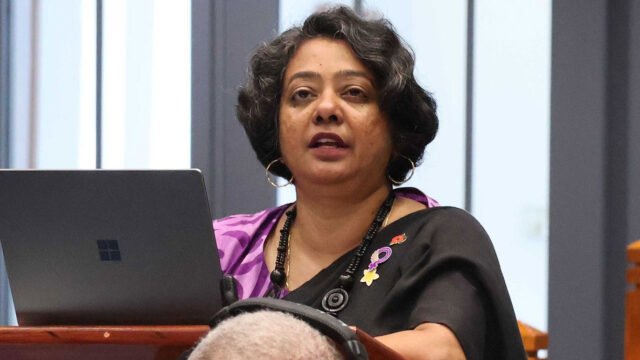
Responding to the Minister’s comments, FCCC Chief Executive Senikavika Jiuta reaffirmed the Commission’s independence under the law.
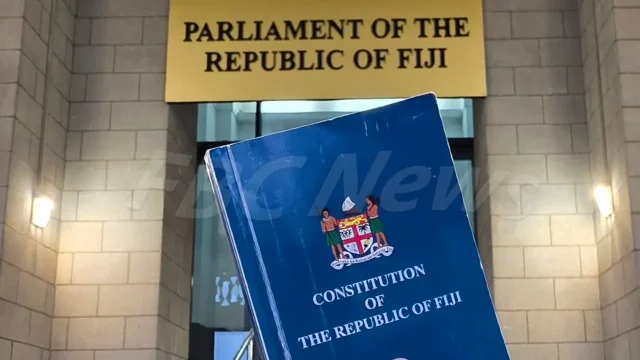
“We are an independent body, and Section 14 of our Act clearly states that the functions and determinations of FCCC are independent. We understand there may be differing views. To be honest, not all Cabinet members disagree—some also agree.”
Jiuta says the decision was made in the best interests of the country, adding that while there are strong views opposing any increase, FCCC acted fairly after thoroughly scrutinising the figures and holding extensive discussions with Energy Fiji Limited.
She maintains that consumer protection remained central to the decision.
FCCC approved a reduced increase of 24.2 percent in the overall revenue requirement, rejecting what it considered excessive and unfair impacts on vulnerable consumers.
Under the new tariff, domestic customers are divided into three usage tiers. Households using up to 100 kilowatt hours per month will see no change, continuing to pay 34 cents per unit. This group includes about 98,800 households, or 52 percent of EFL’s domestic customers.
Those using between 101 and 300 units will see a one-cent increase to 35 cents per unit, affecting around 77,000 households, or 40 percent of customers.
Households using more than 300 units a month—about eight percent of domestic customers—will pay 36 cents per unit, an increase of two cents.
In practical terms, a household using 150 units per month will see its bill increase by 51 cents, from $51.02 to $51.53. Higher-usage households consuming more than 300 units will see an increase of about $2.04 per month.
Stream the best of Fiji on VITI+. Anytime. Anywhere.