 Apenisa Waqairadovu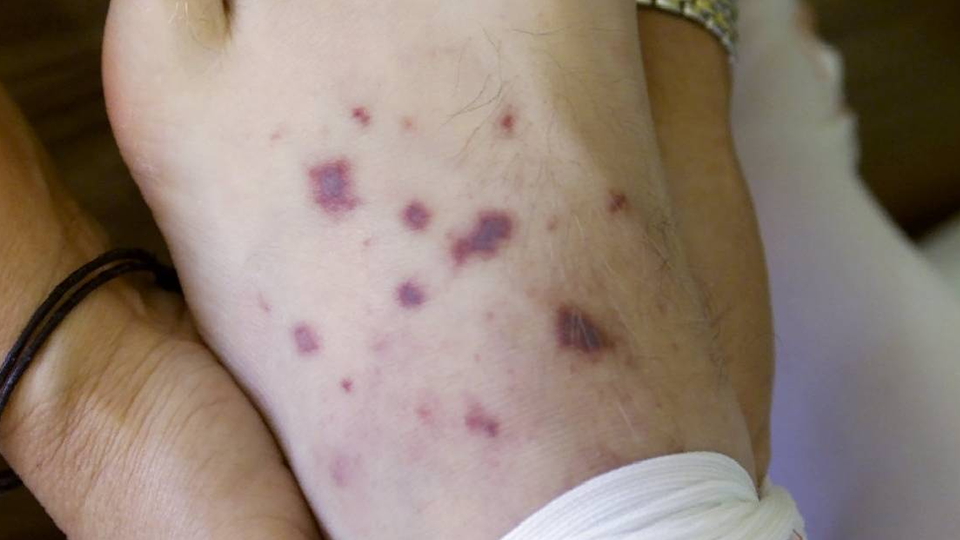
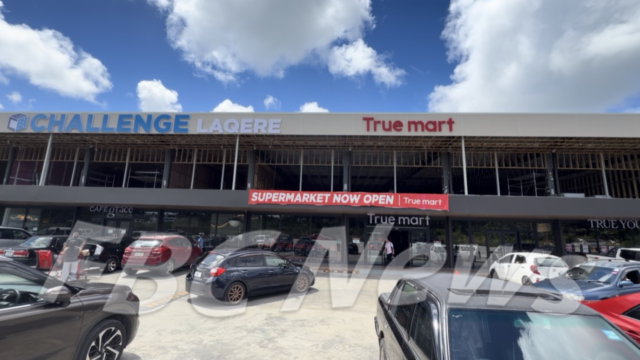
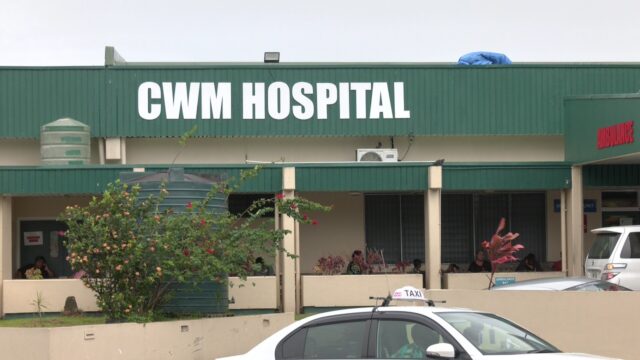
A suspected case of meningococcal disease forced a temporary shutdown of services at Nuffield Health Centre yesterday.
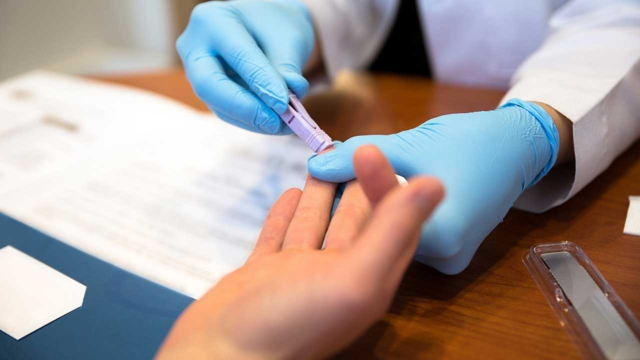
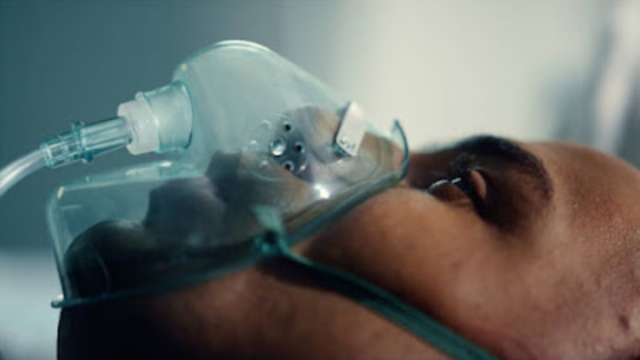
The Ministry of Health and Medical Services confirmed that precautionary measures were activated after a patient presented with signs consistent with meningococcal disease.
The patient has no recent history of international travel.
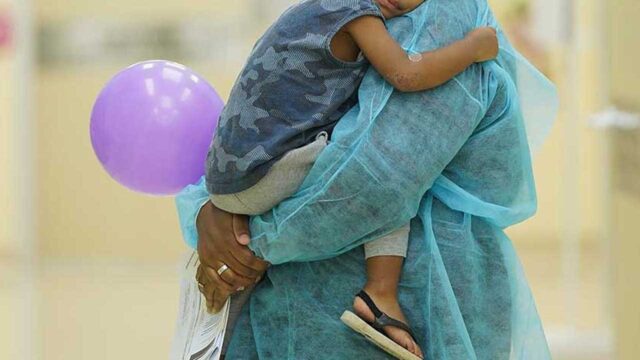
Health workers moved quickly to apply infection-control protocols.
These included the use of masks, gowns and gloves.
Services were briefly disrupted to allow staff to respond safely. Full operations have since resumed.
The Ministry said the case remains suspected and was pending laboratory confirmation. The patient is receiving medical care and follow-up.
It said Fiji records up to 10 meningococcal cases each year and urged the public to remain calm but vigilant.
The Ministry also raised concern about misinformation circulating publicly, warning that it could cause unnecessary alarm.
Meningococcal disease is a severe bacterial infection caused by Neisseria meningitidis.
It can infect the lining of the brain, known as meningitis, or the bloodstream, known as meningococcemia. In some cases, both can occur.
Without urgent treatment, the infection can be fatal.
Symptoms in older children and adults include sudden fever, severe headache, vomiting, stiff neck or back pain, nausea, sensitivity to light, confusion, and a red or purple rash.
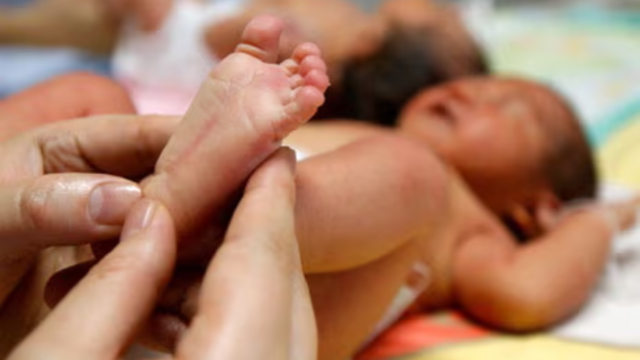
In infants, symptoms may include high fever, persistent crying, refusal to feed, vomiting, drowsiness, seizures, changes in sleep patterns, and a rash.
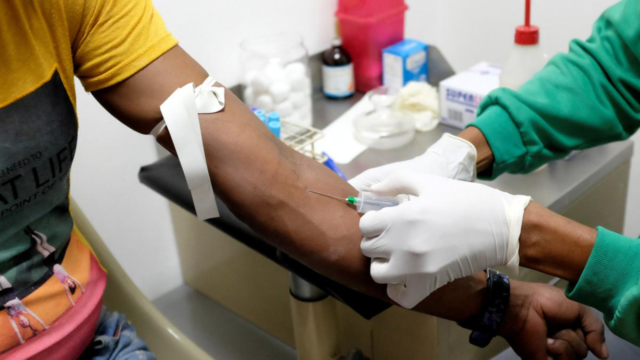
The Ministry stressed that early treatment with antibiotics at a health facility is critical and greatly improves survival.
The disease spreads through saliva, including coughing, kissing, or sharing drinks and utensils.
While it is not easily transmitted, close contact increases the risk.
Investigations into the suspected case are ongoing.