 Shania Shayal Prasad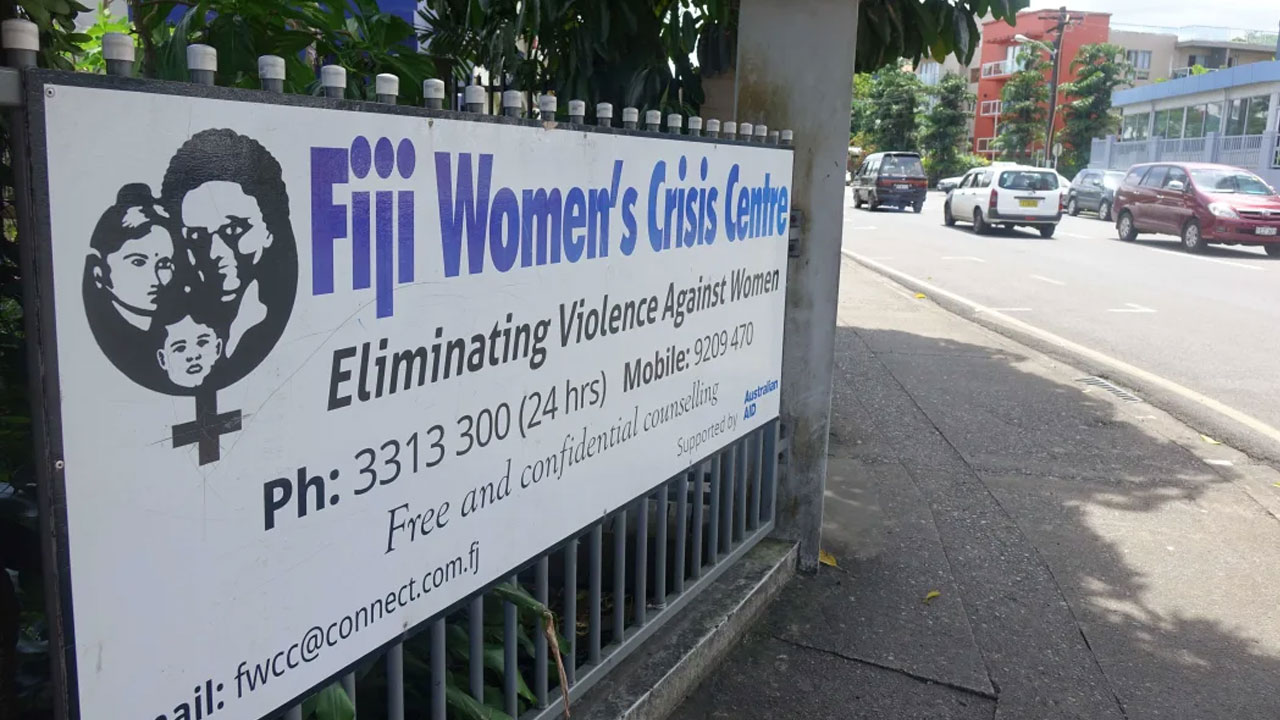
[Photo: FILE]
The Fiji Women’s Crisis Centre says the growing use of traditional reconciliation is once again undermining the reporting and prosecution of serious violence against women and women.
FWCC Coordinator Shamima Ali says, after decades of advocacy, the issue has resurfaced driven by a narrative that domestic and sexual violence can be resolved through family, faith and culture instead of the justice system.
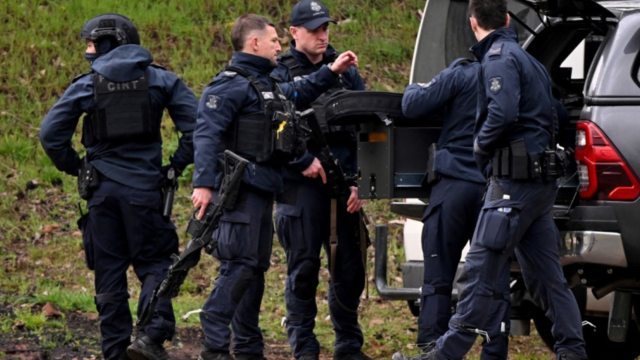
This comes as some police officers are alleged to be encouraging reconciliation rather than investigation in abuse cases.
Ali says, this practice suppresses reporting and places pressure on survivors to forgive, even when serious crimes occurred.
“We have got a police liaison officer, we have got our counsellors, and so the police liaison officer goes and says, what happened to this case and he hears from senior officers saying that has been reconciled. Who reconciled them? We did. That’s not their business.”
Ali says survivors retain the legal right to report offences, regardless of whether reconciliation has taken place.
FWCC counsellor supervisor Elina Cagilaba says, they have been informed that reconciliation is sometimes attempted before survivors even seek formal help.
“But then when we talk to the survivor, you know, they really have no say in that reconciliation. It’s just like something that is done just to, you know, to maintain maybe that good relationship.”
In response, Police Commissioner Rusiate Tudravu has called on FWCC to provide evidence of any cases where police officers have acted improperly.