 Apenisa Waqairadovu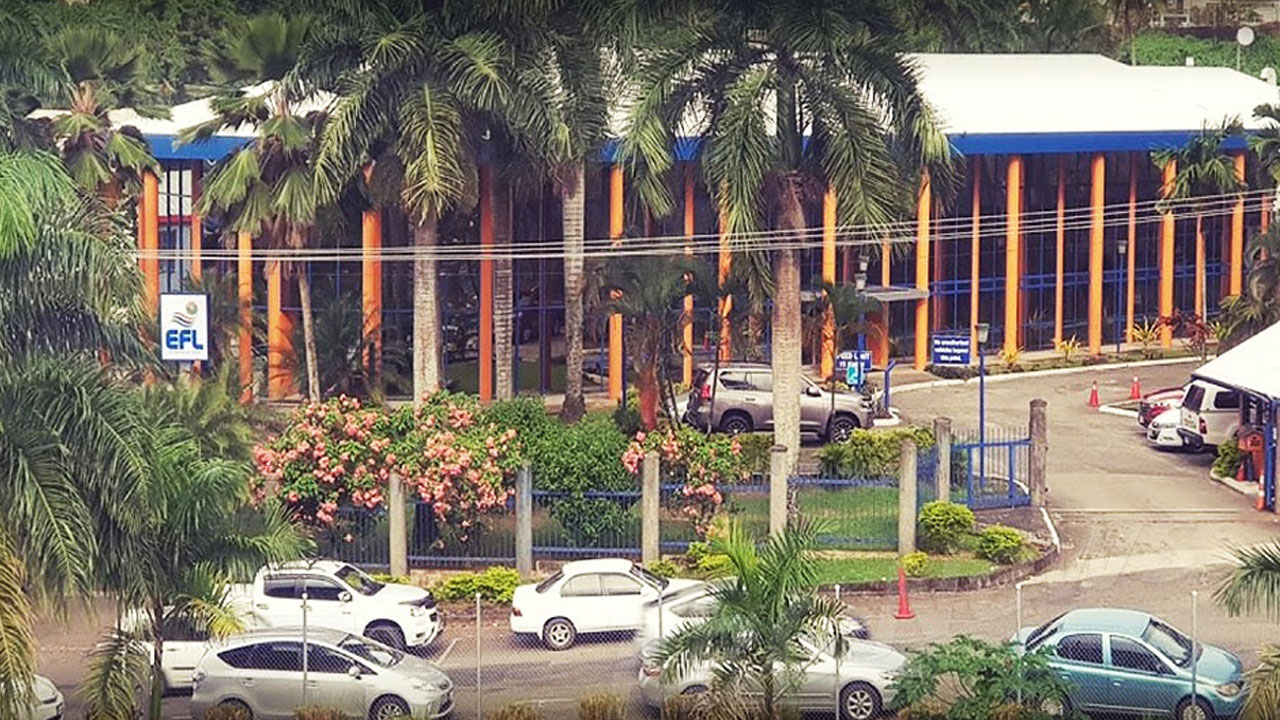
Fijian households that carefully manage their electricity use will see little to no change in their power bills under a new electricity tariff approved by the Fijian Competition and Consumer Commission, while higher-usage homes and businesses will shoulder a larger share of the increase.
From 1 January 2026, Fiji will move to a tiered electricity tariff system that links power costs directly to how much electricity a household or business uses. Under the new structure, more than half of domestic customers those using 100 units or less per month will see no increase at all in their monthly bills.
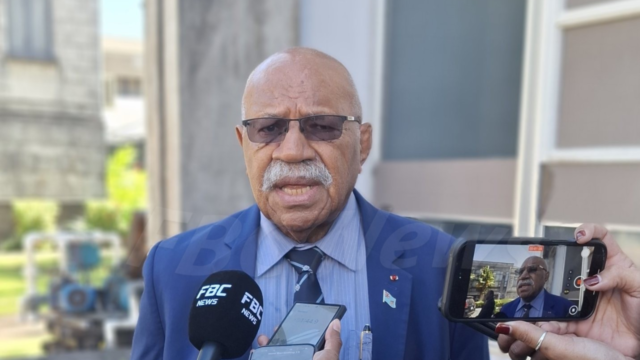
FCCC Chief Executive Senikavika Jiuta says the decision follows a lengthy and closely scrutinised review after Energy Fiji Limited initially sought a significant increase in tariffs.
EFL first proposed changes that would have lifted electricity tariffs by an average of 31.7 percent. That proposal was rejected. A later revised submission sought an even higher overall increase of 37 percent.
After months of analysis, public consultations and technical reviews, FCCC approved a reduced increase of 24.2 percent in the overall revenue requirement, rejecting what it considered excessive and unfair impacts on vulnerable consumers.
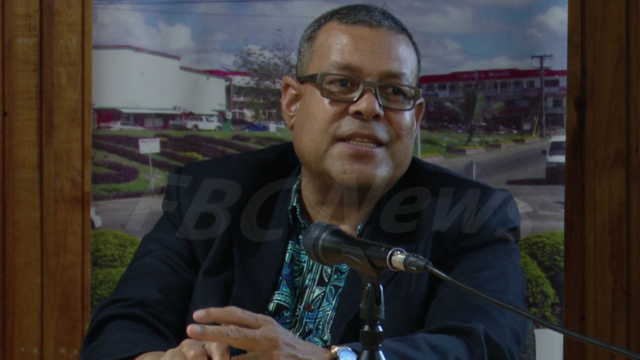
The Chief Executive Senikavika Jiuta says the review was never just about numbers, but about people.
“Approval was granted only because the revised plan is fair to the average consumer, necessary to maintain system reliability and essential to sustain Fiji’s future energy need in a sustainable manner.”
She says FCCC was fully aware that electricity pricing affects homes, household budgets and a sense of security, and that the process was guided by fairness, evidence and the need to protect low-income families.
Under the new tariff, domestic customers are grouped into three usage tiers. Households using between zero and 100 kilowatt hours a month will continue paying 34 cents per unit, with no change to their bill. This group represents about 98,800 households, or 52 percent of EFL’s domestic customers.
Those using between 101 and 300 units will see a modest increase of one cent per unit, from 34 to 35 cents. This affects about 77,000 households, or 40 percent of domestic customers.
Households using more than 300 units a month that is around eight percent of customers will pay 36 cents per unit, an increase of two cents.
In practical terms, a typical household using 150 units a month will see its bill rise by just 51 cents, from $51.02 to $51.53. A higher-usage household consuming more than 300 units will see an increase of about $2.04 a month.
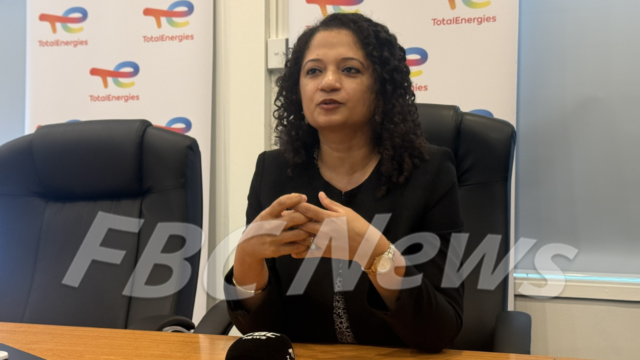
The Chief Executive says the new structure rewards efficient electricity use, while ensuring those who consume more contribute proportionately to maintaining and improving the national power system.
Businesses will also move to a tiered system, with larger electricity users facing higher increases. Small commercial customers using up to 1,000 units a month will see their rate rise by three cents per unit, translating to an increase of about $25.60 a month. Higher-usage businesses will see larger increases, reflecting their greater demand on the system.
The FCCC says the decision follows extensive public consultations across the Central, Western and Northern divisions, where concerns were raised about rising costs, renewable energy commitments and the protection of low-income households.
The Chief Executive says those concerns shaped the final outcome, with FCCC pushing back against heavy reliance on borrowing, insufficient renewable investment and weak safeguards for vulnerable consumers.
She says approval of the new tariff comes with strict conditions. FCCC will monitor EFL closely through biannual audits to ensure promised investments and operational improvements are delivered.
Public awareness sessions will also be rolled out nationwide, giving consumers the chance to understand how the new tariff works, ask questions and learn how to manage their electricity use more efficiently.
The Chief Executive says the new tariff will remain in place for the next four years, providing certainty for households and businesses, while allowing Fiji’s electricity system to remain reliable and sustainable.
She says every decision made by FCCC is grounded in evidence, transparency and a responsibility to act in the best interests of the Fijian people.
Stream the best of Fiji on VITI+. Anytime. Anywhere.