 Associated Press
[Source: AP]
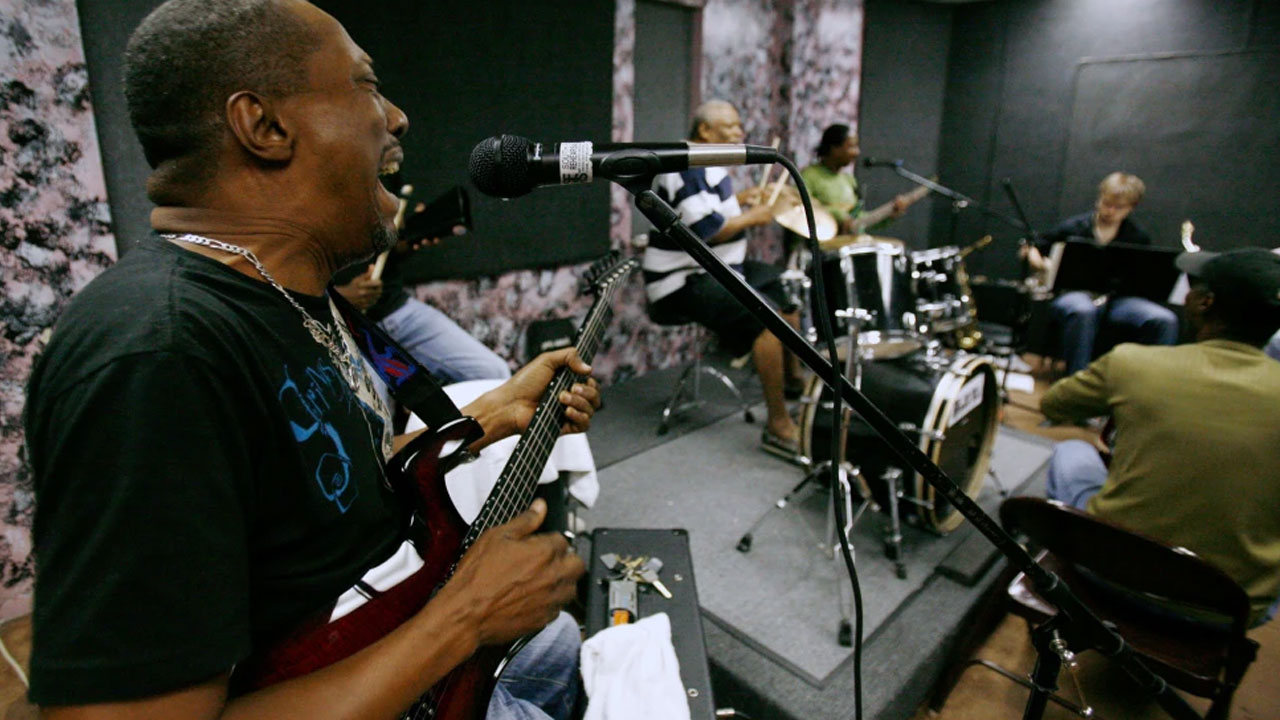
Compas, a beloved Haitian music and dance genre inspired by merengue and infused with percussion, made UNESCO’s cultural heritage list on Wednesday.
The syncopated rhythm, created in the 1950s, wafts from bars, bedrooms and businesses across Haiti, lifting spirits and providing solace from the country’s grinding poverty and soaring gang violence.
On the night of Nov. 18, when Haiti classified for the World Cup for the first time since 1974, compas music accompanied a cheering crowd jogging through the streets of Port-au-Prince and dancing in their homes.
Dominique Dupuy, Haiti’s former foreign affairs minister, called the inclusion of compas on UNESCO’s list “an ode to joy.”
“In these dark times our country is experiencing, we continue to usher in this new year, already lost for our youth, with a glimmer of hope,” she wrote on social platform X.
UNESCO also recognized the Cuban Son, noting that its “lyrics are drawn from daily life, which are passed down orally.”
In its praise for compas, UNESCO said the music “brings together people of all ages, genders and backgrounds.”
Compas, also known as konpa or kompa in Haitian Creole, incorporates the Haitian drum known as tanbou, congas, electric guitars and trumpets, among other instruments.
UNESCO said the music “holds deep cultural significance” and often touches on themes including love, freedom, peace and resistance.
At KOTR, a compas dance studio in Miami, owner Sony Laventure celebrated the news. He considers compas his therapy.
“This allows me to step away, it allows me to be free from all things,” he said.
Laventure just got back from a trip to Kenya, where he taught instructors how to properly dance compas, and he’s leaving soon for Paris to share his knowledge.
“My dad was a musician, so we always grew up listening to konpa,” he said, recalling how his mother loved to dance to it.
Stream the best of Fiji on VITI+. Anytime. Anywhere.