 Praneeta Prakash
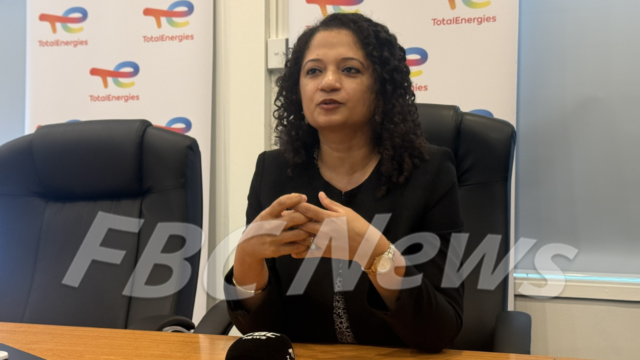
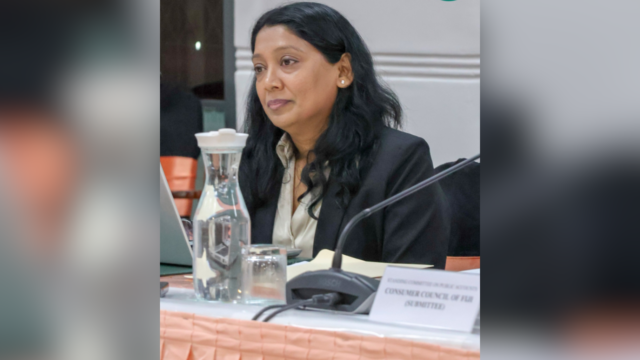
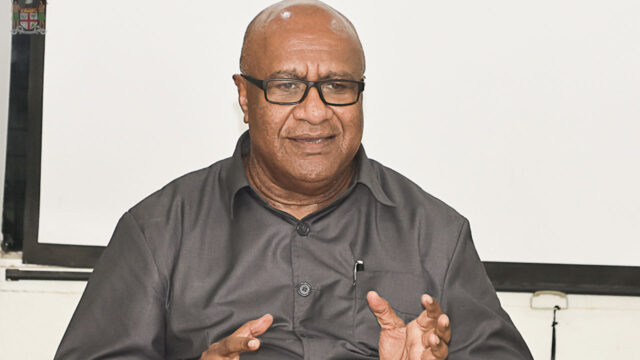
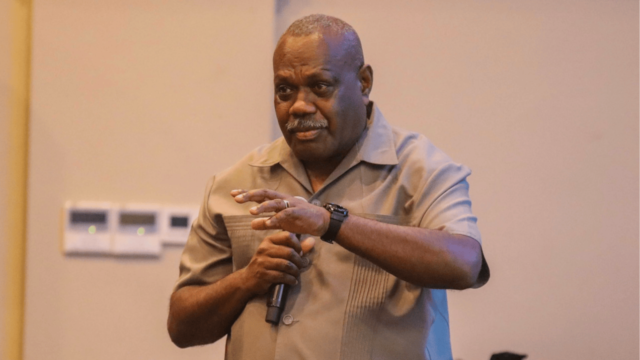
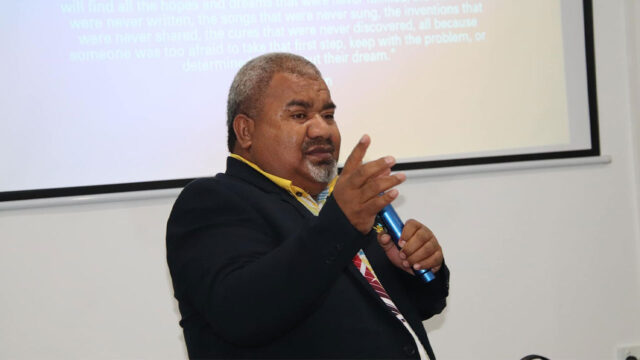
Truth and Reconciliation Steering Committee Chair and Minister for Women, Sashi Kiran.[Photo: FILE]
Truth and Reconciliation Steering Committee Chair and Minister for Women, Sashi Kiran, says the Truth and Reconciliation Commission is focused on helping Fiji heal from past political crises, rather than punishing individuals involved in previous coups.
Kiran says that the coups in 1987, 2000, and 2006 involved many people, from those who directly carried out the acts to those who supported or enabled them.
She says TRC is not about pointing fingers or assigning blame but is about understanding the causes, addressing the trauma, and creating space for national healing.
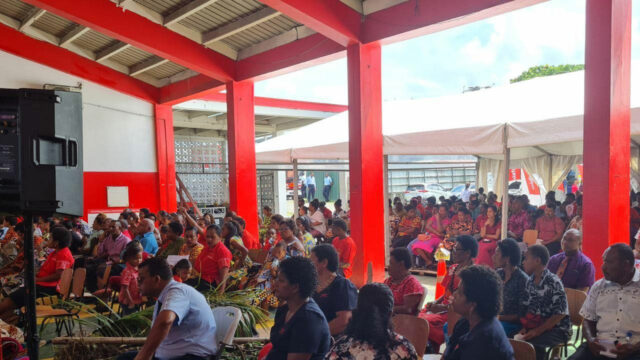
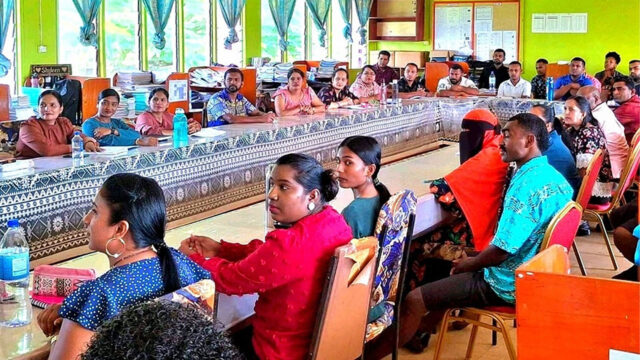
Kiran stresses that people from all communities have experienced pain and suffering over the years and that TRC provides an opportunity for Fijians to share their experiences, either publicly or privately, and to document the impact of past events on individuals, families, and communities.
She says the TRC’s recommendations will be submitted to the President and the government to strengthen institutions, prevent future conflicts, and ensure that similar crises do not happen again.
“TRC’s purpose is not seeking blame, not looking for perpetrators, not looking for, you know, we’ve also heard, you know, all the perpetrators should be taken to court. Yes, if you want to take them to court, you take them to court. That’s not the purpose of TRC.”
Kiran also highlighted the importance of passing on lessons to younger generations.
“’I’ll also plead with the younger people, because actually, younger people in the rural areas want this, because they feel what we’ve heard so far is they say that our parents or grandparents carried the trauma, and we want to put an end to it. More urban centre youths are saying get over it and move on.”
Kiran says the TRC is a vital tool for Fiji to reflect on its past, address ongoing issues, and build a more unified and resilient nation.
Stream the best of Fiji on VITI+. Anytime. Anywhere.