 Yvonne Ravula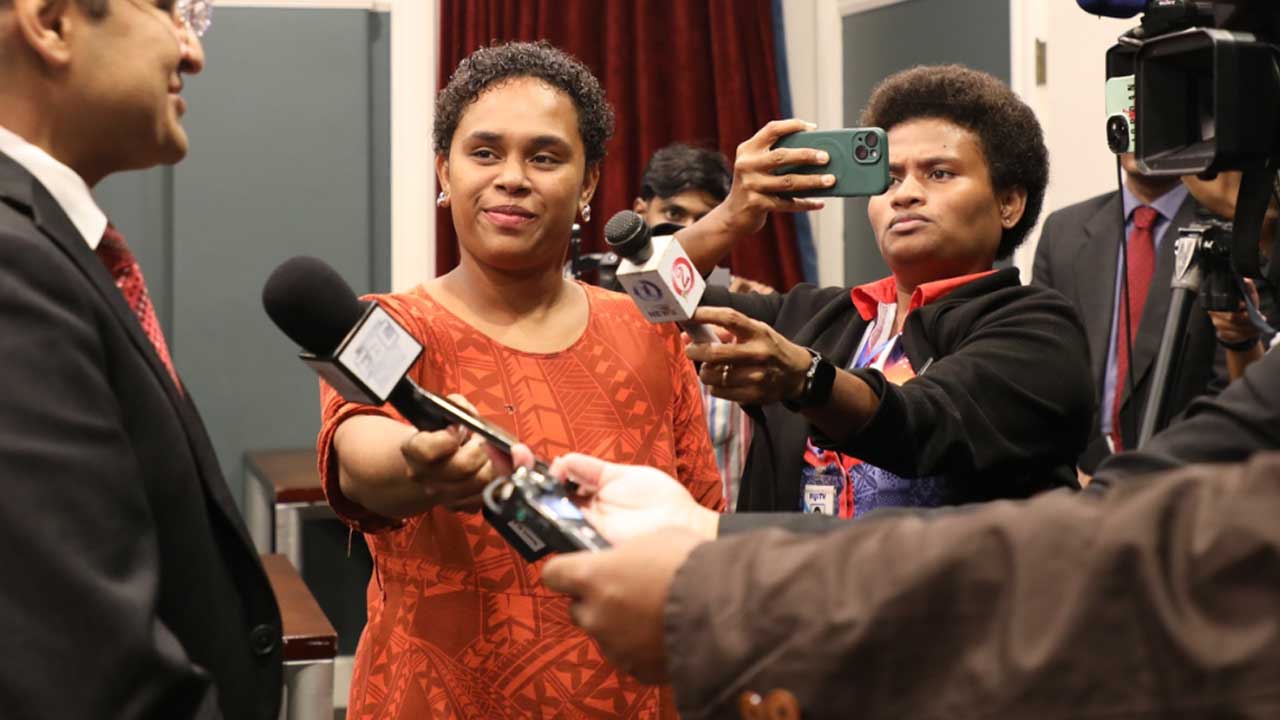
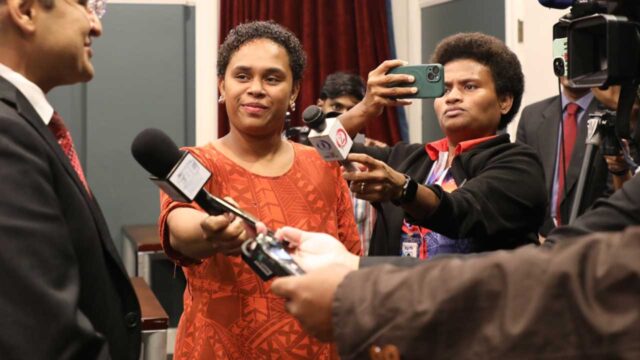
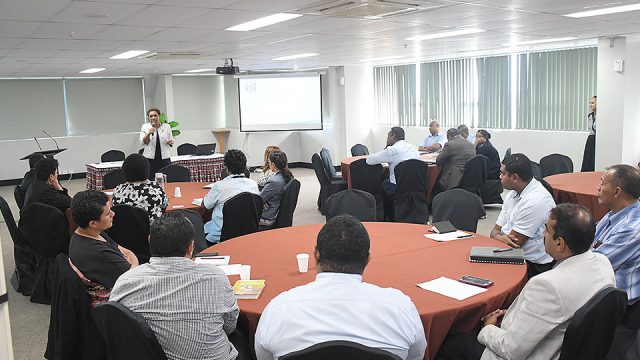
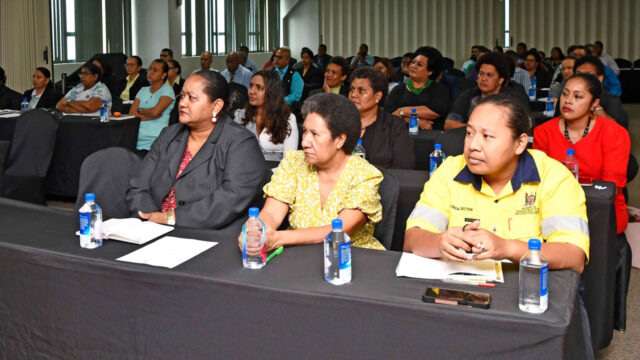
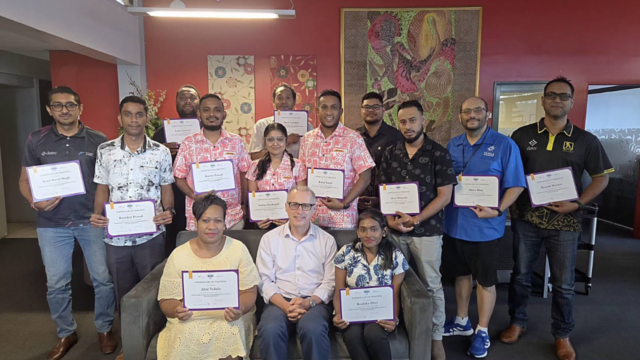
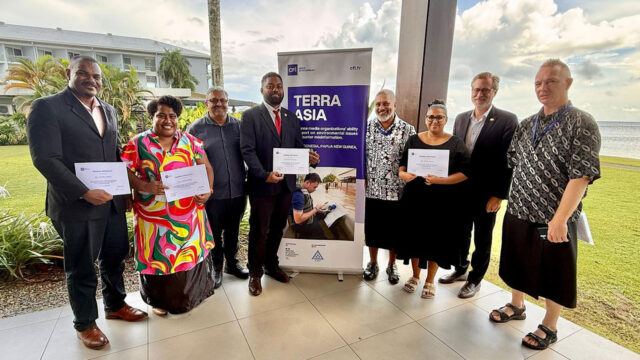
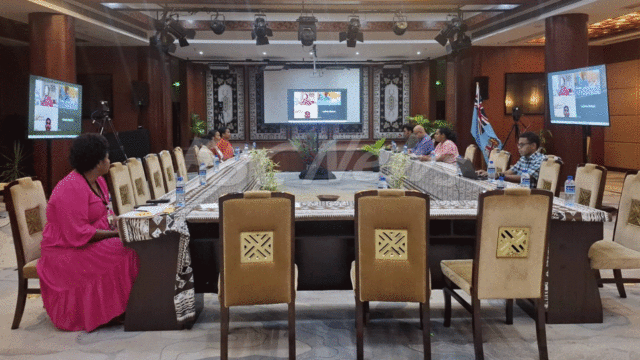
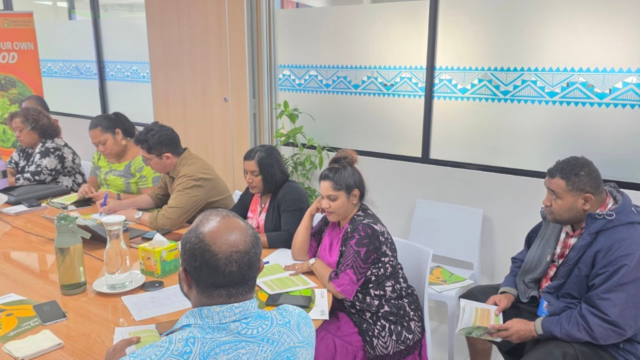
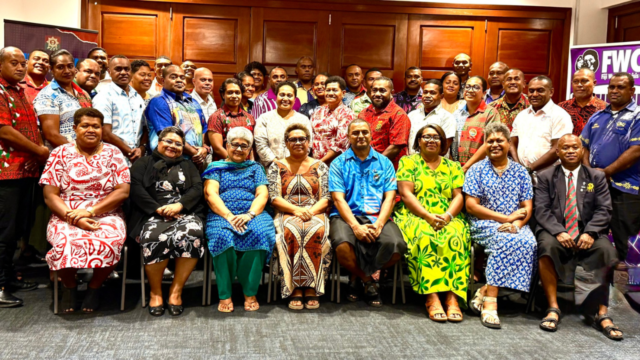
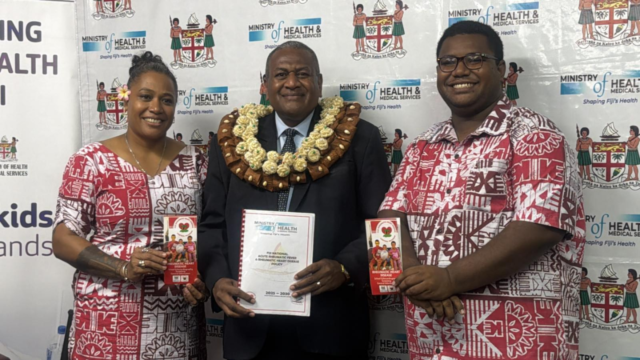
Media organisations are being called on to play a stronger role in Fiji’s HIV response, as the country faces a rapidly evolving outbreak.
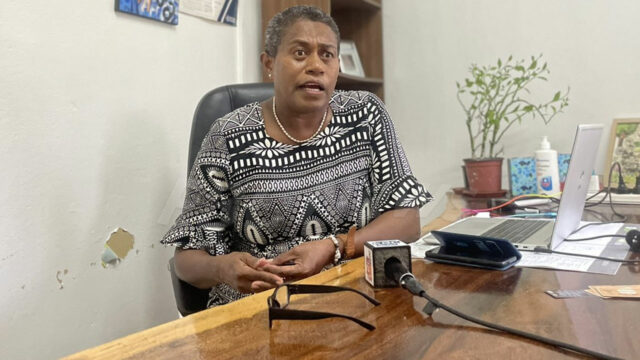
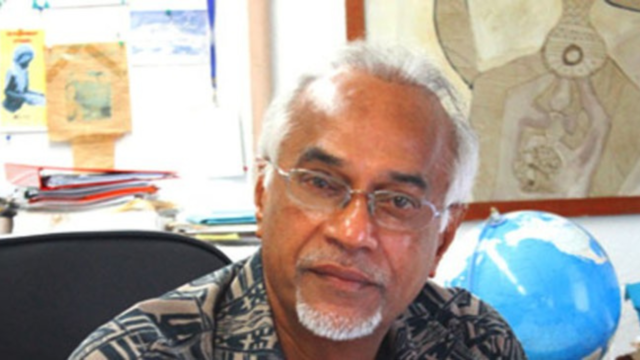
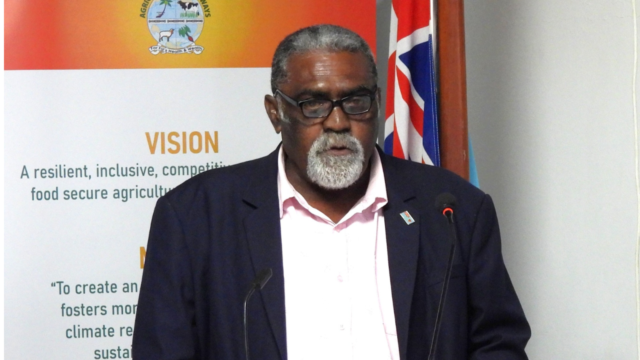
UNAIDS Country Director Renata Ram says how HIV is reported can directly influence public behaviour.
“How HIV is reported can actually help reduce stigma and encourage people to seek testing and treatment, or it could go the other way and reinforce misinformation and silence.”
Health officials say Fiji is now seeing a shift in the epidemic, with cases no longer limited to high-risk groups but spreading across the wider population.
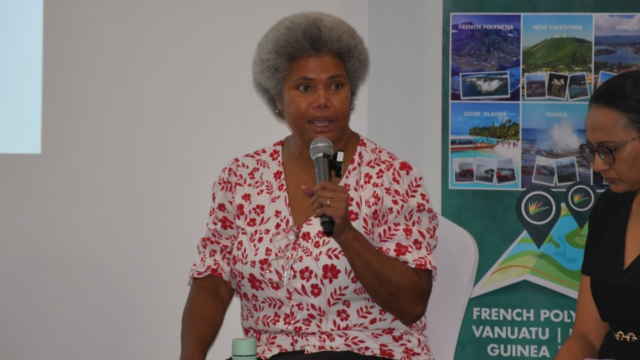
HIV Prevention and Community LED Programme Lead Dr Emeli Turara says infections are increasingly being recorded among women and children, including pregnant mothers.
“What we are seeing now is that it is not only affecting a specific population, but it is affecting the wider community.”
She adds that early testing is critical to prevent mother-to-child transmission.
“No baby should be born in the country with HIV because we have the treatment and we are able to prevent it.”
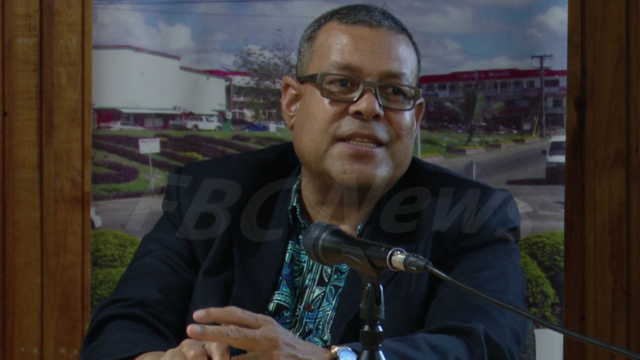
World Health Organization Representative to the South Pacific Mark Jacobs says HIV is not just a medical issue, but one shaped by communication and public understanding.
“HIV isn’t just a medical issue. It’s a story about people, about communities, about health systems and unfortunately also it’s often a story about stigma and discrimination and misinformation.”
Jacobs adds that the way stories are told can influence how communities respond to the crisis.
“And at the end of the day, how we tell stories shapes how people act and how societies respond.”
Officials are also urging the media to ask tougher questions and stay engaged as the country responds to the outbreak.