 Litia Cava
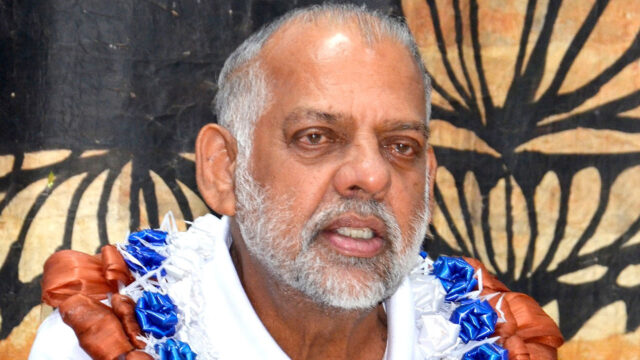
[Photo: FILE]
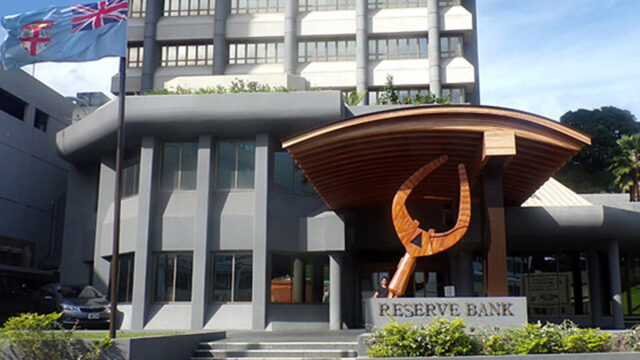
The International Monetary Fund has repeatedly advised Fiji to raise interest rates. It has suggested increasing the policy rate to between three and four per cent.
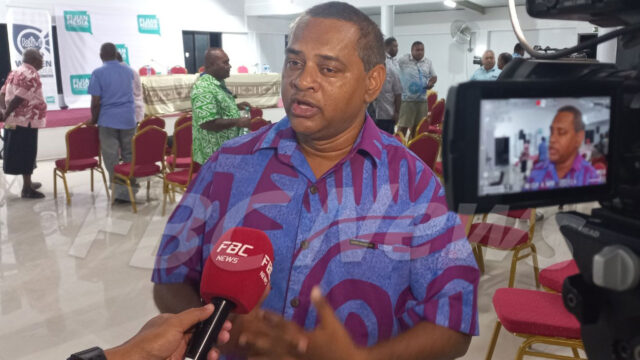
However, Reserve Bank of Fiji Governor Ariff Ali explained that the central bank has resisted these recommendations, arguing that the country’s current economic conditions do not justify higher borrowing costs.
Ali explained that the central bank believes the current monetary policy stance remains appropriate because economic growth is slowing, inflation is extremely low, almost negative and foreign reserves remain strong.
He warned that raising interest rates too aggressively could place significant pressure on households, particularly those with mortgages.
According to the Reserve Bank, there is around $1.5 billion in housing loans currently held by banks, with most mortgages carrying interest rates of around four per cent. If policy rates were lifted sharply, Ali said mortgage rates could rise to about 8 per cent, effectively doubling repayments for many borrowers.
“The IMF has come over the last three, four years and said that the reserve bank should raise interest rates. Initially, they said our policy rate should go from quarter to four per cent. And more recently, they said we should at least raise it to three. They’re here in the next few weeks and I’ll see what they say. But each time I deflected and I said that, you know, you come, you spend a few weeks, we are here, we live and we know the needs of the people.”
Ali also stressed the importance of protecting Fiji’s foreign reserve buffer, noting that the IMF benchmark recommends countries maintain at least three months of import cover, while the Reserve Bank aims to maintain four months to safeguard against external shocks.
He pointed out that Fiji’s reserves have come under pressure several times in the past, including during the political and economic crises of 2000, 2006, the 2008 global financial crisis, and more recently during the COVID-19 pandemic.
Rising global oil prices could again place pressure on the country’s reserves. Ali noted that if oil prices were to increase from US$60 to US$100 per barrel, Fiji could lose around $500 million in foreign reserves due to higher import costs.
If reserves fall too low, the country could face pressure to devalue its currency, something that has occurred previously in 1987, 1999 and 2009. Maintaining strong reserves, Ali said was essential to protect businesses, consumers and overall economic stability.
The governor also highlighted growing negative sentiment within the business community, driven by a range of domestic and international developments.
According to the Reserve Bank’s monitoring of media and social media trends, issues contributing to uncertainty include debates around the Employment Relations Act reforms, electricity tariffs, ongoing commissions of inquiry, and concerns within the judiciary, labour mobility schemes, and U.S. tariff developments.
Ali described this “noise” as affecting business confidence and said it could influence investment decisions, consumer behaviour, and overall economic activity.
Despite these concerns, lending to the private sector remains relatively strong. Data from the Reserve Bank shows private sector credit growth reached 10.5 per cent in January.
Under normal circumstances, this level of credit expansion would translate into stronger GDP growth.
However, Fiji’s economic growth has remained relatively modest, suggesting structural constraints within the economy.
Stream the best of Fiji on VITI+. Anytime. Anywhere.