 Reuters
source: BBC / Website
Last week, Manjuri carried her husband’s coffin from one town to another in India’s northeast region, hoping to catch a flight that would take her hundreds of miles away – to Kolkata city – for his final farewell.
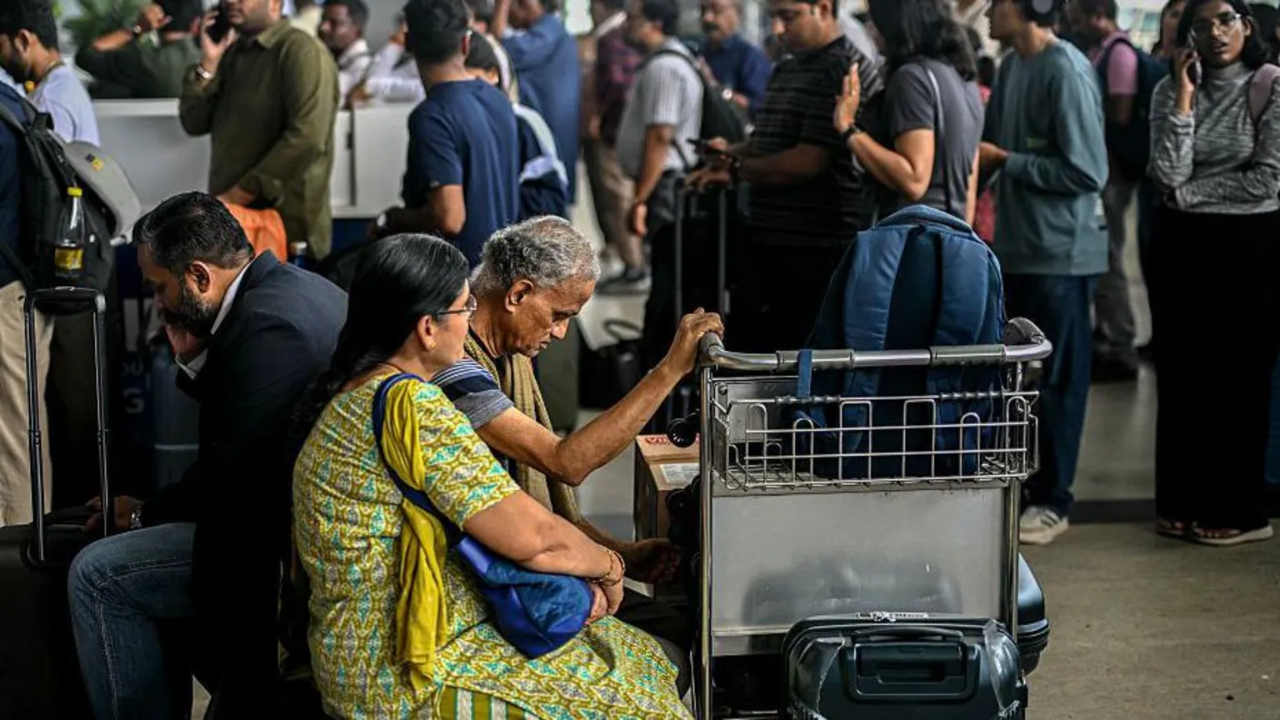
But the difficult journey turned unbearable when delays by IndiGo, the country’s largest airline, left her stranded for hours before the flight was finally cancelled.
Manjuri was one of hundreds of thousands of passengers whose plans were upended as IndiGo’s sudden wave of cancellations pushed India’s aviation sector into one of its worst crises in years.
A trickle of delays suddenly became more than 1,000 cancellations on 5 December, stranding families and causing people to miss weddings, funerals and vital exams.
Once the poster child of India’s low-cost aviation boom – commanding a 60% market share and 2,000 daily flights – IndiGo now risks losing its hard-won reputation as the country’s reliable, no-frills carrier, experts say.
“IndiGo could face significant financial damage from loss of revenue because of flight cancellations, refunds and other compensation to affected customers, along with potential penalties imposed by DGCA [the aviation regulator]” Moody’s, a ratings agency said.
At the heart of the crisis are new crew-rostering rules that give pilots and cabin crew more rest – changes IndiGo is accused of failing to plan for, leaving it short of legally rested staff and forcing it to ground more than half its fleet.
The rules include longer weekly rest for pilots (48 hours instead of 36) and tighter limits on night landings (two instead of six) after years of fatigue complaints to the regulator.
Stream the best of Fiji on VITI+. Anytime. Anywhere.