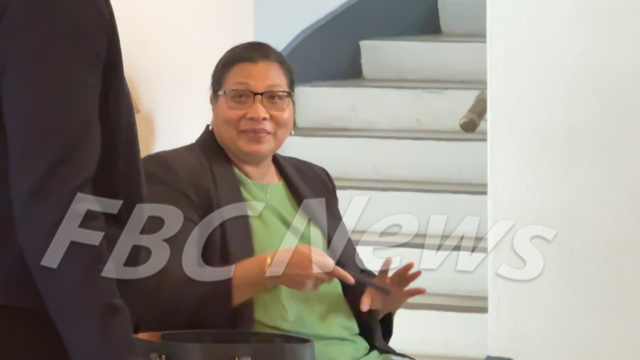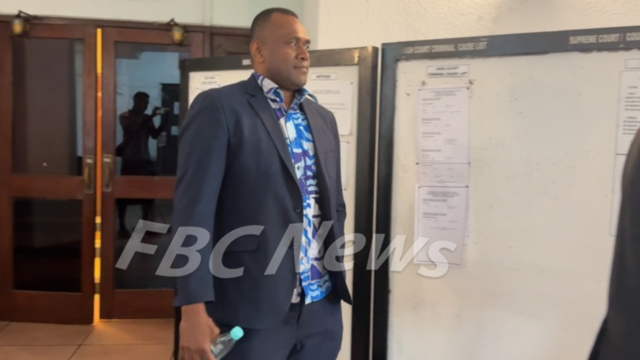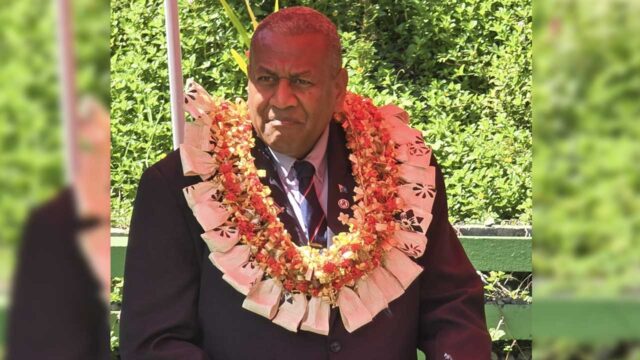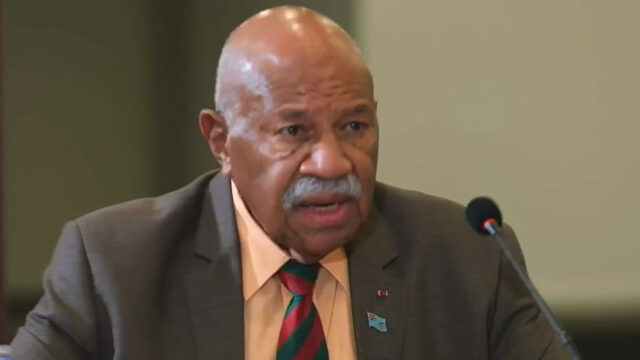
 Josefa Sigavolavola
[File Photo]
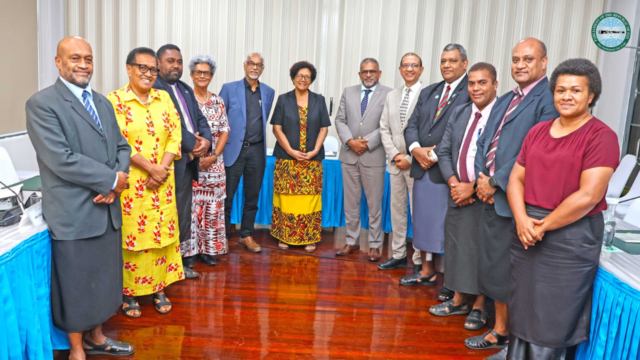
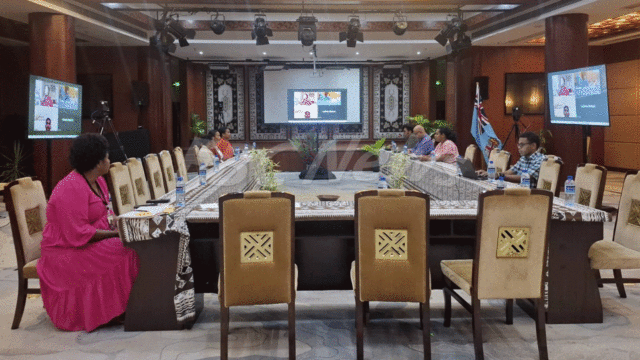
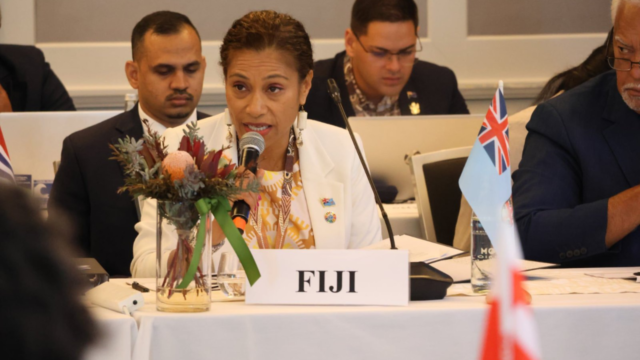
The Pacific Small Island Developing States have taken a firm and unified position on the future of global ocean governance during the third session of the Preparatory Commission for the BBNJ Agreement.
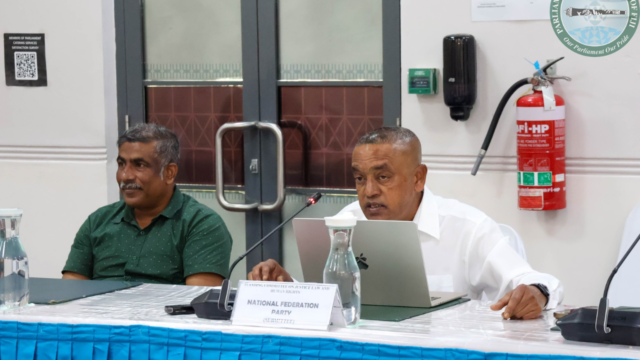
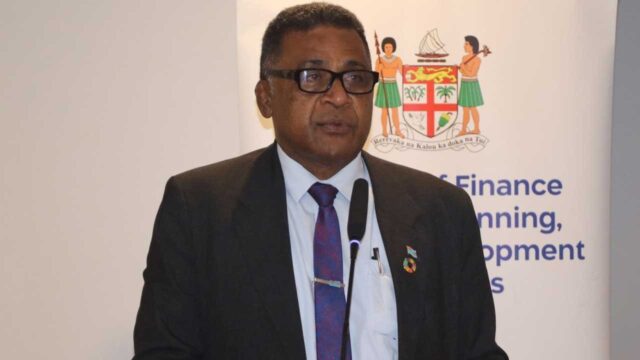
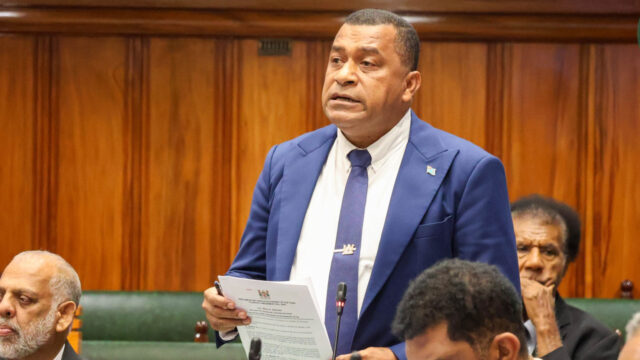
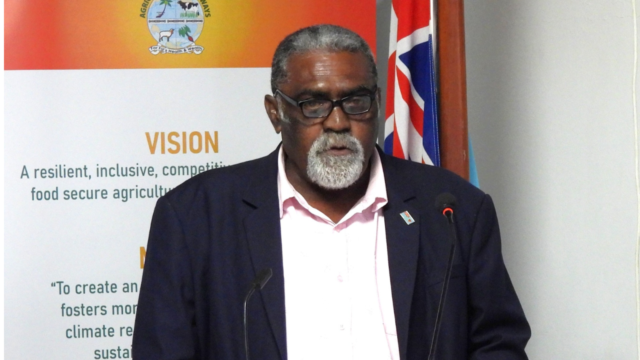
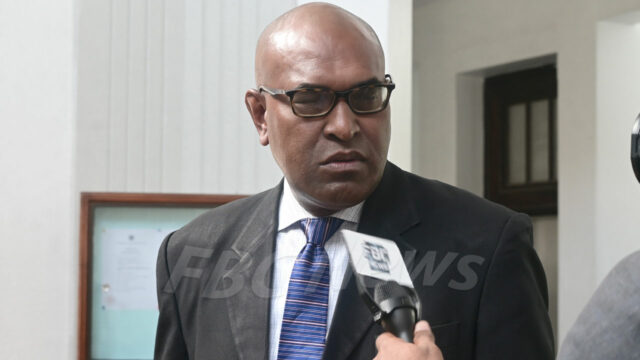
Delivering the statement on behalf of the PSIDS delegation, Fiji’s Acting Permanent Secretary for Fisheries and Forests, Saimone Tauvoli, outlined a clear vision for a Secretariat grounded in transparency, legal autonomy, and dedicated support for small island developing states.
A key priority raised by PSIDS was the process for appointing the Head of the Secretariat.
Tauvoli stressed that leadership must be elected by the Conference of the Parties, rather than appointed externally, to ensure accountability and institutional legitimacy.
“The Head of the Secretariat must be accountable to the Parties for the implementation of the Agreement and the stewardship of its resources. This is fundamental to the institutional legitimacy of the Agreement.”
PSIDS also called for the Secretariat to operate within the United Nations common system to ensure strong oversight and governance and by leveraging established bodies such as the Office of Internal Oversight Services and the UN Dispute Tribunal, the Secretariat would benefit from robust administrative standards and accountability mechanisms from its inception.
Another major focus was the need for the Secretariat to have international legal personality, enabling it to independently enter into agreements with states and international organisations, arguing that it is essential to effectively deliver on its mandate, particularly in managing the clearing-house mechanism for sharing marine data.
To ensure the agreement delivers meaningful outcomes for island nations, PSIDS reitrated its call for a dedicated Small Island Developing States unit within the Secretariat.
While the Agreement recognises the special circumstances of these states, the delegation emphasized that a specialized unit is critical to address key areas such as capacity-building, technology transfer, marine genetic resources, and area-based management tools.
Following the session, PSIDS also supported a mandate for Co-Chairs to develop a draft decision on the institutional model toward the full operationalisation of the so-called “High Seas Treaty.” ensuring that the voices and priorities of small island states remain central in shaping global frameworks.