 Litia Cava
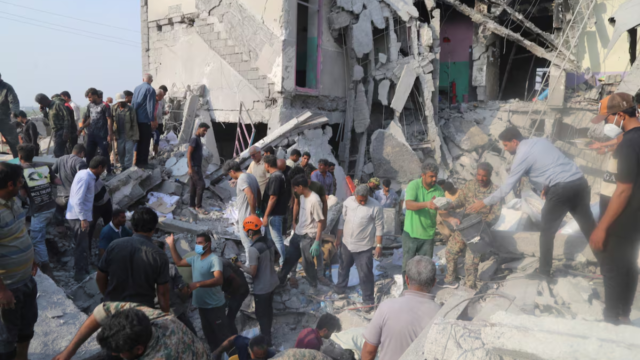
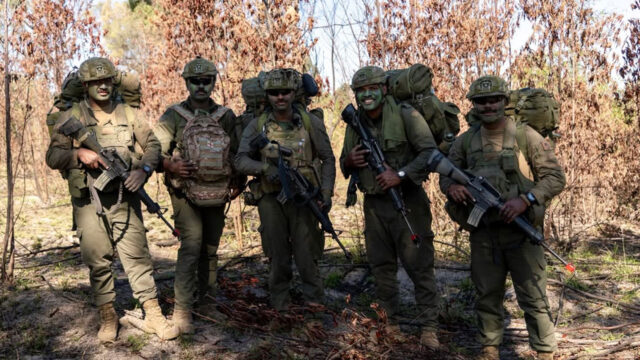
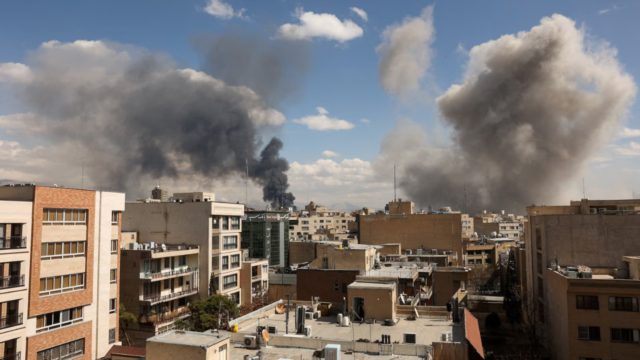
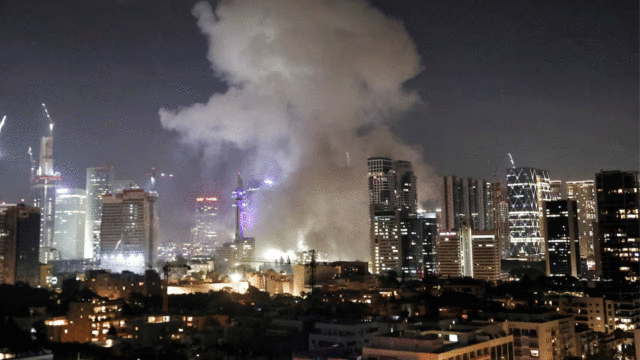
Escalating tensions in the Middle East between Iran, Israel and the United States could carry serious economic consequences for Fiji.
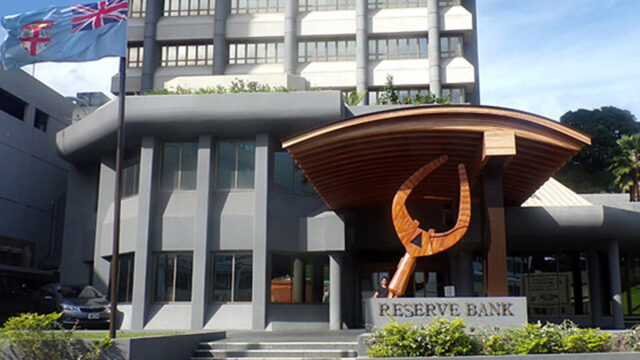
This, according to Reserve Bank of Fiji Governor Ariff Ali.
Ali warns that while Fiji is geographically distant from the conflict, it is not insulated from its economic shockwaves.
He points to a sharp rise in global oil prices, up by about 17 percent since tensions intensified.
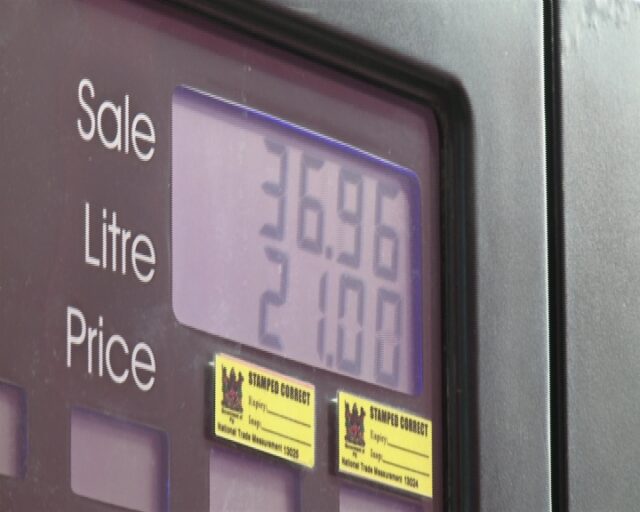
For an import-dependent economy like Fiji, higher fuel prices translate directly into rising transport and production costs.
He states any disruption around the Strait of Hormuz, a key global oil shipping route, could tighten supply further.
“As soon as oil prices rise, then all other prices increase because transportation cost goes up. What this also means is that this will impact trade. Growth may be slowed down.Inflation will be up.”
If vessels, Ali explained are forced to take longer routes, freight costs will increase. That would feed into higher import prices, particularly for food and essential goods.
Ali notes that as fuel costs climb, inflationary pressure follows. Transport becomes more expensive. Shipping costs rise. Retail prices adjust upward. He says this chain reaction could reverse Fiji’s recent low inflation environment and place fresh strain on households.
The Governor also cautions that global monetary conditions may tighten. If major economies respond to rising inflation with interest rate hikes, borrowing costs will increase worldwide. Slower growth in key partner countries could weaken demand for travel.
That would directly affect Fiji’s tourism sector, which remains a central pillar of economic activity.
Ali states that even the threat of escalation adds risk. Prolonged conflict or the prospect of a broader military campaign would deepen uncertainty in global markets. Financial markets typically react swiftly to geopolitical instability, which can affect investment flows and commodity prices.
Beyond trade and inflation, he also pointed out the psychological dimension. Constant global coverage of conflict can dampen consumer and investor confidence.
Households may delay spending. Businesses may postpone investment decisions. Such caution can slow economic momentum, even before direct economic indicators shift.
Ali stresses that Fiji must remain vigilant. He says maintaining strong foreign reserves and a stable monetary stance is essential in periods of external volatility. While the conflict is unfolding far from Fiji’s shores, its economic ripple effects could be felt through fuel prices, trade flows, tourism demand and financial markets.
The RBF Governor also maintains that careful policy management and private sector resilience will be critical if global tensions persist.
Stream the best of Fiji on VITI+. Anytime. Anywhere.