 Mosese Raqio
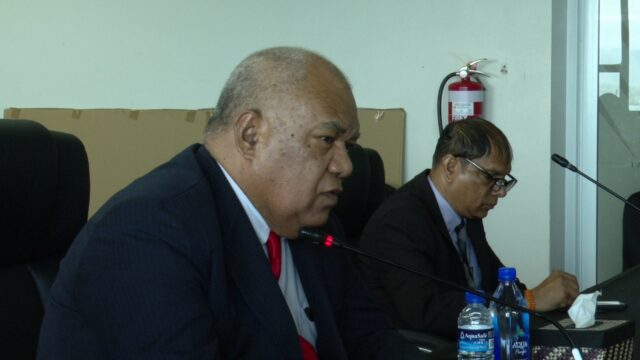
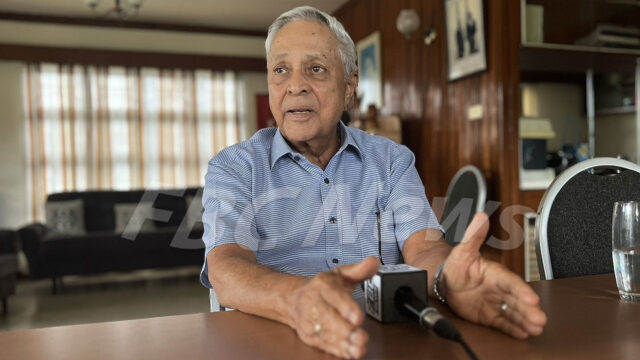
FCOSS President Sepesa Rasili [Photo: FILE]
The Fiji Council of Social Services has warned that a proposed return to a January–December budget cycle could seriously undermine disaster response, community resilience and critical infrastructure delivery.
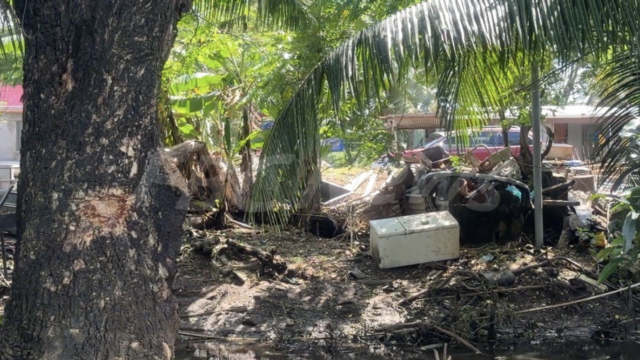
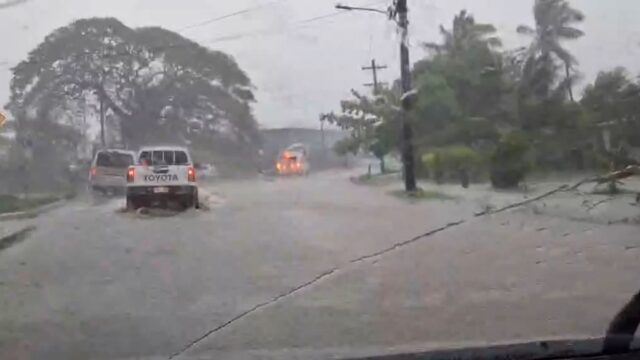
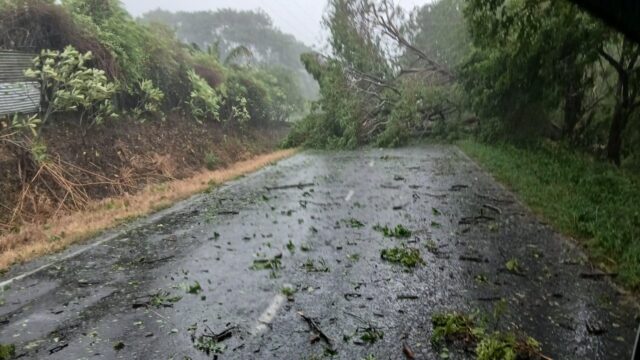
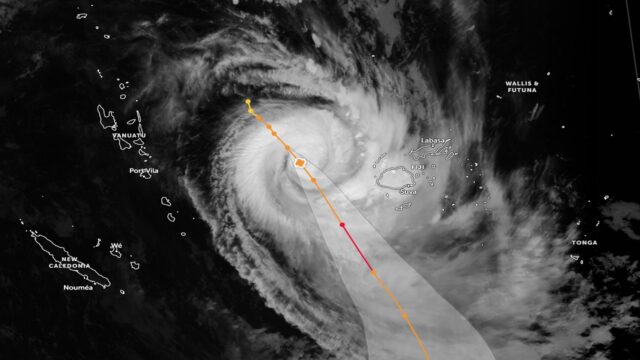
FCOSS President Sepesa Rasili says the shift ignores Fiji’s seasonal realities and risks leaving communities vulnerable during cyclone season. As a member of the National Disaster Risk Financing Policy Steering Committee, Rasili says a January start would split the cyclone season in two, creating uncertainty and delays in accessing disaster relief and recovery funding.
He says communities hit by cyclones in December should not be left questioning whether funding has run out or whether they must wait for a new budget to be activated in January.
Rasili also highlighted the “December gap”, noting that government operations typically slow during the holiday period, with many public servants on leave. He says introducing a new financial year at the same time would further delay response efforts when disasters strike.
The FCOSS President warns that repeated changes to the financial calendar also undermine community-led climate and disaster policies that were shaped by frontline experience, potentially delaying support when national assistance is already stretched.
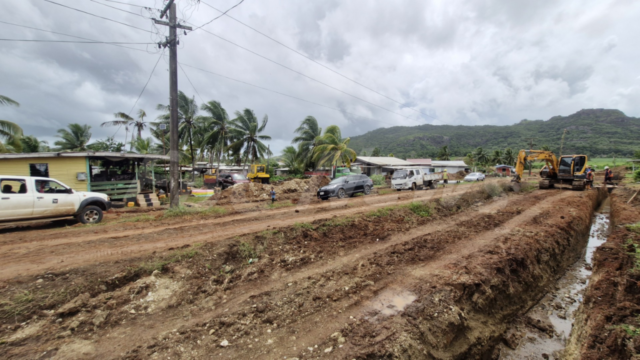
He adds that a January budget cycle could push major infrastructure projects such as sea walls, evacuation centres and rural roads into the peak of the rainy season, leading to cost overruns, construction delays and substandard work.
Rasili stresses that the national budget is not just an accounting exercise, but a lifeline for communities, and urges government to align public finance management with the “rhythm of our islands”.
He says Fiji needs a financial calendar that strengthens government response when people are most vulnerable, not one that forces a reset in the middle of cyclone season.