 Nikhil Aiyush Kumar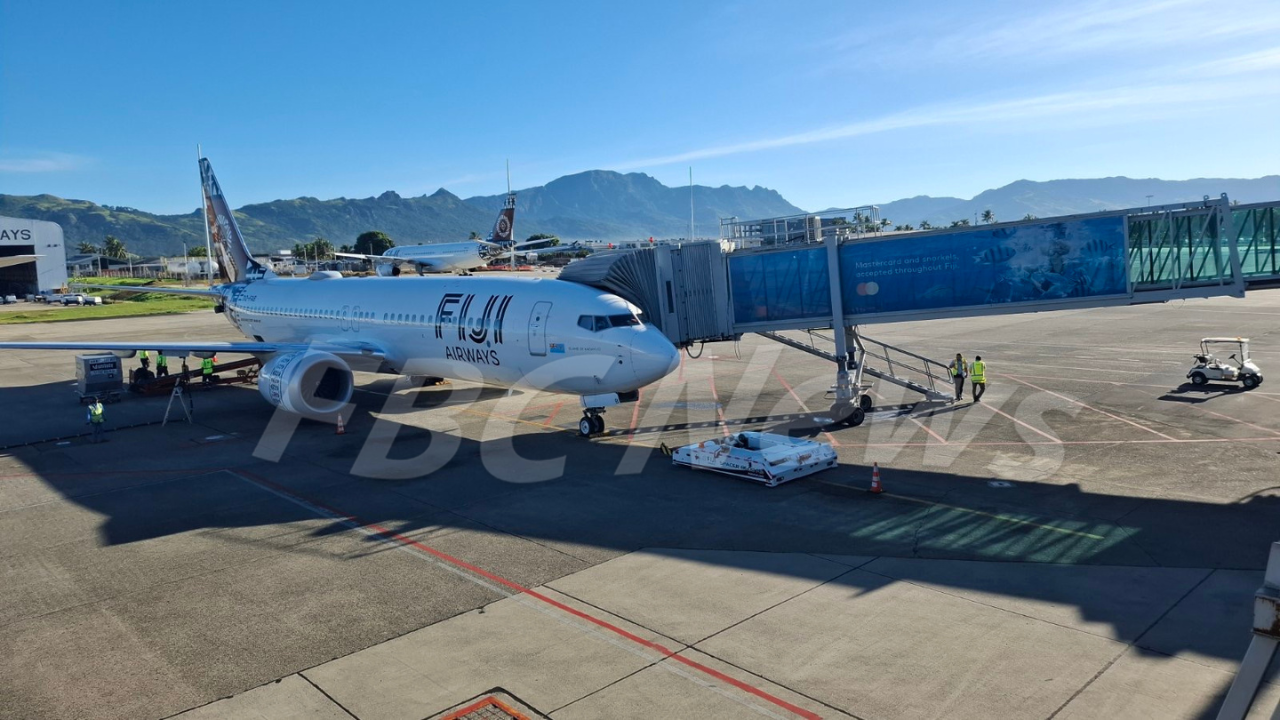
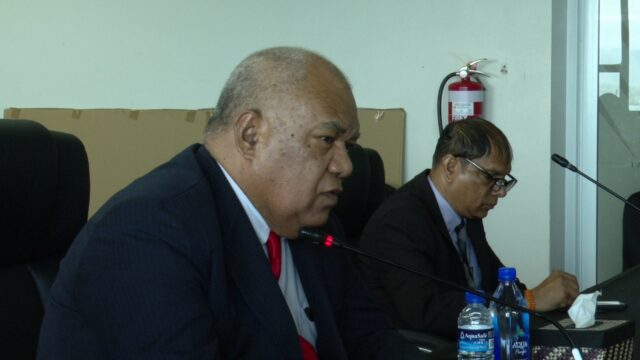
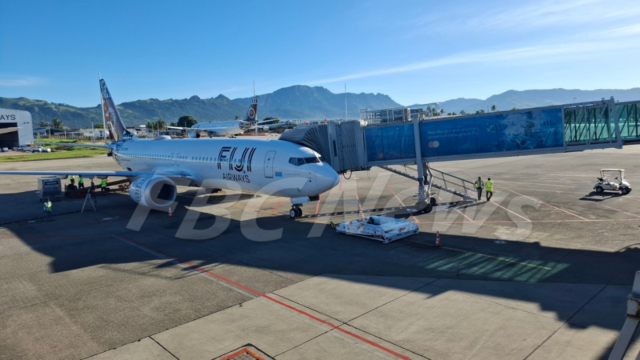
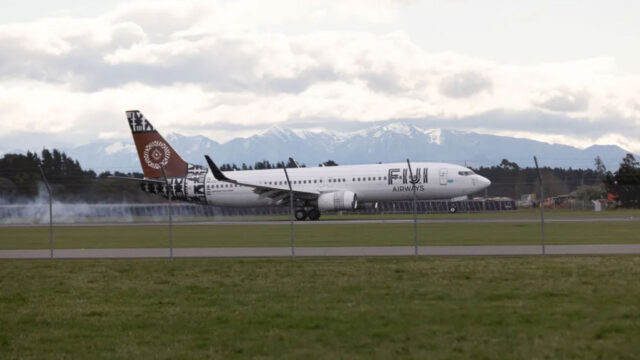
The Suva High Court has heard extensive legal arguments in a civil lawsuit involving a 2023 Fiji Airways charter flight to Israel, with both sides sharply divided over whether the matter should be resolved immediately or proceed to a full trial.
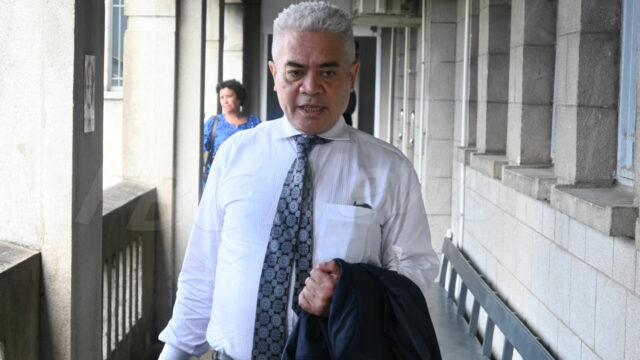
Counsel for Fiji Airways, Nilesh Prasad, confirmed that three key applications are before the court including an application to strike out the third defendant, International Christian Embassy of Jerusalem, an application for summary judgment against the ICEJ and Faith Harvest Church as the fourth defendant, and a separate bid by ICEJ to strike out the airline’s claim.
A major issue in the case is whether Mikaele Mudrelagi had the authority to act on behalf of ICEJ when signing the charter agreement.
It was argued that Mikaele Mudrelagi held himself out as an authorized representative through emails, official correspondence and ICEJ letterheads, identifying himself as National Director.
During the arguments today, Fiji Airways submitted that it relied on these representations in good faith when agreeing, invoking the legal principle of ostensible authority where a party may still be bound by actions that appear authorized.
However, counsel for ICEJ, Aca Rayawa, rejected this, informing the court that Mudrelagi was not a registered trustee and had no authority to bind the organisation.
He argued that there is no evidence that the organization’s trustees were consulted or involved in the agreement, maintaining that while the signatory may be personally liable, he was not acting on behalf of ICEJ.
Counsel for Faith Harvest Church represented by Pita Niubalavu, opposed the airline’s application for summary judgment, arguing that there are significant factual disputes that must be tested at the trial.
A counterclaim has also been filed by the Church seeking to join the Office of the Prime Minister and the Ministry of Foreign Affairs, arguing their involvement is closely linked to the circumstances surrounding the flight.
Fiji Airways, however, maintains that there are no genuine issues requiring a trial.
Prasad argued that the charter flight was substantially performed, noting that the aircraft completed the journey — although one day later than scheduled — and transported passengers as intended, including additional travelers under emergency conditions.
The airline also dismissed claims that the agreement was invalid due to a lack of legal advice, stating there was no evidence of coercion or undue influence.
The case has been adjourned to May 27, with the court expected to rule on the applications after reviewing submissions from all parties.