 FBC News
Any death in custody must be met with an independent, impartial, effective and prompt investigation, with results being made public.
This is the view expressed by Amnesty International’s Pacific Researcher Kate Schuetze in a statement issued today.
She said this in relation to the death of Jone Vakarisi during questioning by officers of the Republic of Fiji Military Force at the Queen Elizabeth Barracks in Nabua last week.
Schuetze says the information provided by authorities on Vakarisi’s death in custody raises more questions than answers.
She says the initial response from the military suggested that Vakarisi died from a pre-existing medical condition, yet copies of the police autopsy report circulating online suggest that this was a case of serious assault.
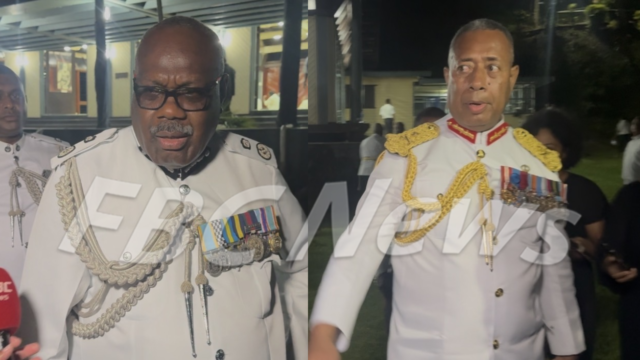
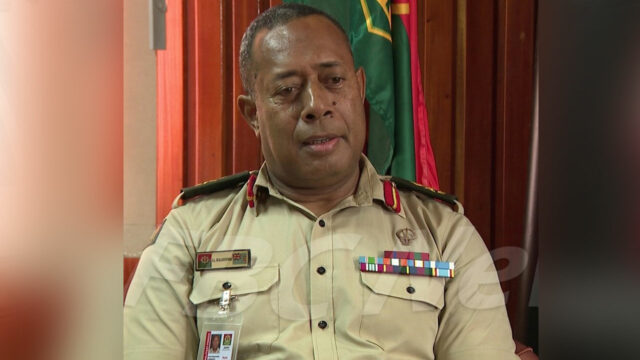
Schuetze says statements of regret by the RFMF Commander “are meaningless unless followed by comprehensive and transparent explanations and – where there is sufficient admissible evidence – appropriate criminal charges against those responsible.”
She says Vakarisi’s death also raises questions about the culture of impunity within Fiji’s military forces and the role of the military in policing matters, including its ability to meet the needs of detainees in line with international human rights law and standards.
On Saturday 18 April, authorities confirmed that Jone Vakarisi died in custody at the Queen Elizabeth Barracks on 17 April. He was taken into custody on 16 April with three other people, two of whom have since been released.
Amnesty International says it is unclear what Vakarisi and others detained with him were being investigated for, as no criminal charges have been confirmed.
RFMF statements suggested that the detentions were related to drug crimes and an organized criminal network they described as being a threat to national security.
In a statement on 18 April, the RFMF said Vakarisi “voluntarily presented” himself at QEB barracks then died of a “medical emergency” relating to a pre-existing condition. The RFMF described the death as a ‘national security’ incident and cautioned people against discussing it.
On 19 April, a copy of the death certificate that was shared online, allegedly contained information that contradicted the military’s explanation about Vakarisi’s death.
Police confirmed the certificate was a legitimate document.
On 20 April the military admitted its initial communication was not factually correct, acknowledging the findings of the autopsy.
Amnesty International says under international standards, any death in custody creates an assumption of the state’s responsibility and a violation of the right to life by state authorities. This assumption can only be overcome on the basis of a proper investigation that demonstrably establishes that the state complied with all its human rights obligations.