 Litia Cava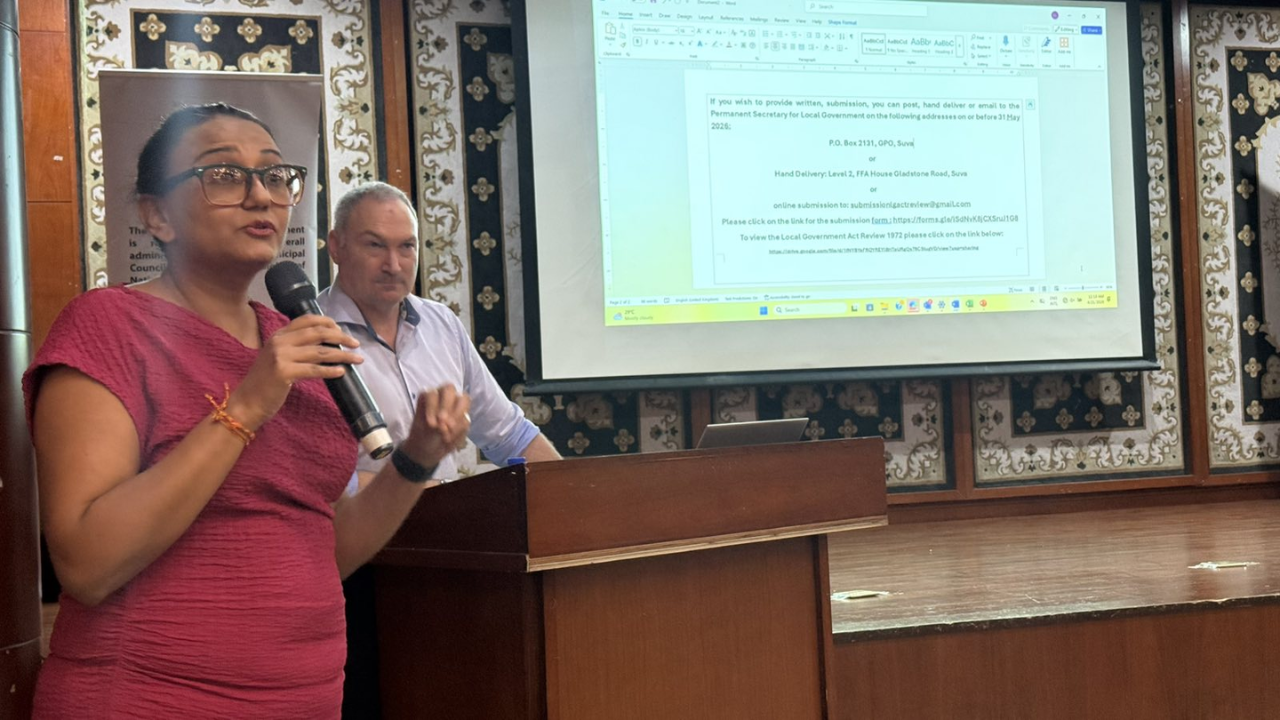
[Photo: FILE]
Town councils can run their own affairs with a degree of independence.
However, key financial decisions still require approval from ministers, a point raised during talks on reforming the law that governs them.
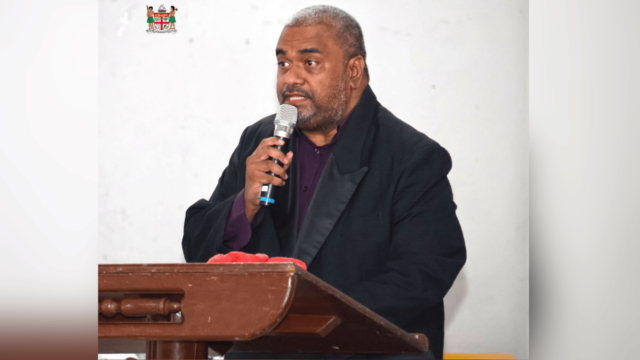
Nasinu Special Administrator Jone Tuiono raised the concern at consultations on the review of the Local Government Act 1972 at the Suva Civic Centre. He questioned how far council independence actually reaches.
“In relation to that, the autonomy of a council, how far does it extend?”
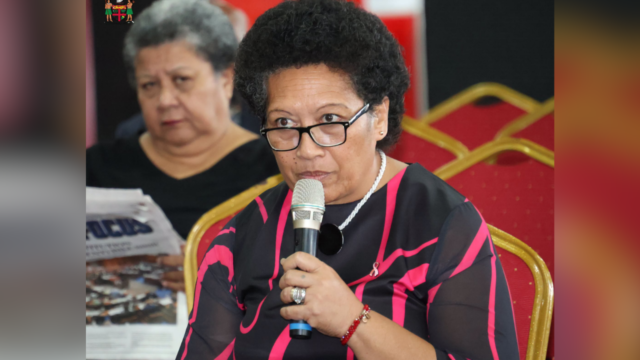
Local Government Ministry Permanent Secretary Seema Sharma explained that councils are set up as legal entities, separate from the ministry.
She states that they are not government departments and operate on their own footing.
“In terms of certain things that were always in the Act that looked at taking a loan, you just needed to get an approval from the Minister for Local Government and the Minister for Finance. In terms of, I think, some major investment, you just needed to get an endorsement of the Minister.”
Seema said councils control staffing, budgets, rates, and day-to-day operations. Boards and chief executives handle these responsibilities.
But she pointed to clear limits. Councils must seek approval from the Minister for Local Government and the Minister for Finance before taking loans. Large investments also need ministerial sign-off.
She said aside from those areas, councils decide how they plan, spend, and deliver services.
The discussions also outlined how councils function. They were described as small-scale governments.
Councillors act as the decision-making body, while staff carry out work across areas such as finance and legal.
Officials said the law sets expectations on conduct. Councils are required to look after their workforce.
This includes fair pay, even when residents question costs and service standards.
They warned that cutting staff conditions can weaken service delivery.
The talks also drew a line between roles.
Councilors set direction and make decisions. Staff handles the execution of those decisions.
The review of the 1972 law is expected to reshape these powers as the country prepares for the return of elected councils.