 Nikhil Aiyush Kumar
[Photo: FILE]
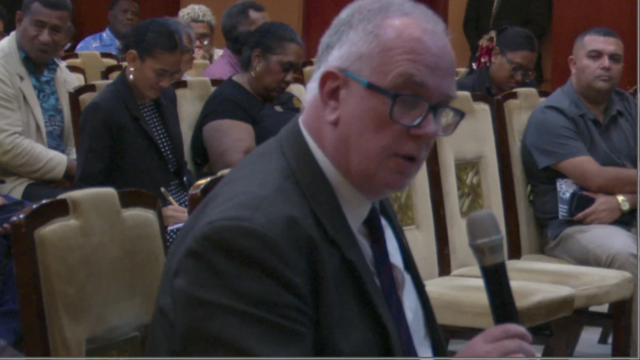
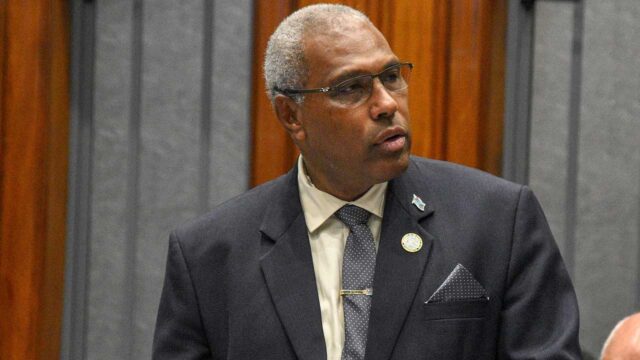
The Suva High Court has heard detailed testimony about how advice was prepared and submitted to the Prime Minister’s Office in relation to a disputed Ministry of Health tender waiver in 2011.
State witness Nemani Mati told the court that the Prime Minister’s Office followed a structured system, where policy advice was delivered mainly through written briefs rather than face-to-face meetings.
He said the Policy Analysis Unit reviewed Cabinet papers and handled official correspondence from ministries seeking decisions from the Prime Minister.
At the centre of the case is a request by the Ministry of Health for a waiver of tender process, known as CTN 66 of 2011, for the purchase of laboratory equipment.
Mati said he prepared a brief after reviewing documents from the Fiji Procurement Office and the Health Ministry, and after discussions with procurement official Marie Weiss.
He recommended withdrawing the tender, reviewing procurement terms, and strengthening internal controls.
He told the court the former Prime Minister endorsed those recommendations, which he interpreted as a rejection of the waiver request.
A letter was then sent to then Health Minister Neil Sharma conveying that decision.
However, the court also heard that another document later surfaced suggesting the waiver may have been approved afterward.
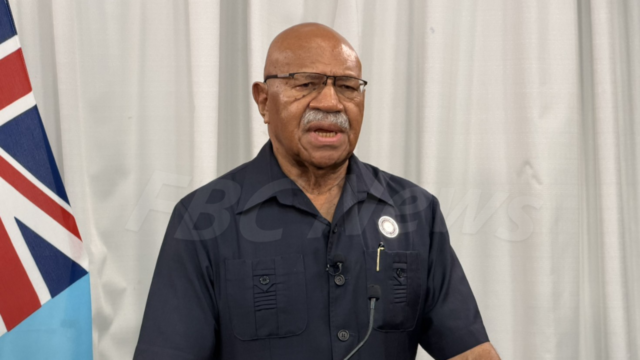
Mati said he recognised the signature of former Prime Minister Voreqe Bainimarama but was not informed of any change.
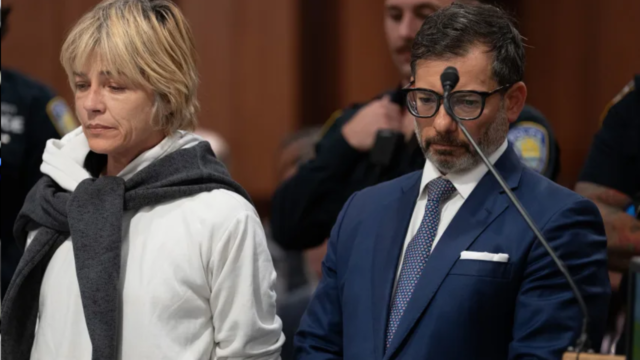
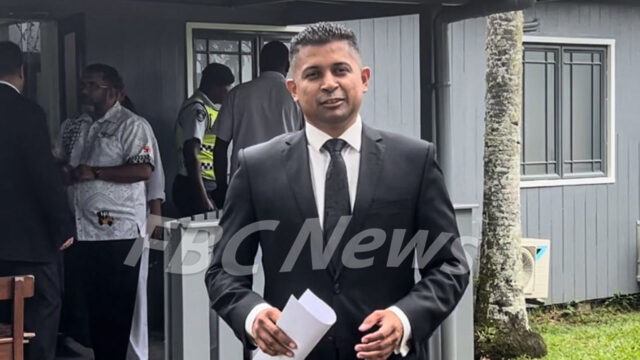
During cross-examination, defence lawyer Krisheel Chang challenged whether Mati acted within his role and whether his advice was properly informed.
Mati agreed that tender processes fall under the Ministry of Finance and the Fiji Procurement Office, not the Prime Minister’s Office.
He also admitted his advice was based on two documents and a phone call, and that he did not directly consult the Ministry of Health.
The defence argued his advice was largely “desktop” analysis and relied heavily on the procurement office’s position.
Bainimarama’s lawyer Devanesh Sharma further argued that Mati copied much of the procurement office’s recommendations into his memo.
He questioned whether the former Prime Minister was ever explicitly asked to reject the waiver, suggesting the later letter declining it may have gone beyond what was approved.
In re-examination, State prosecutor Laisani Tabuakuro defended the process.
Mati confirmed he had reviewed the Health Minister’s formal request before preparing his memo, and said handling such correspondence was part of his role, especially when acting as Permanent Secretary.
He told the court the Prime Minister endorsed his recommendations without objection.
Mati denied misleading the Prime Minister, saying his conclusion to decline the waiver was based on the overall information available at the time.