 Nikhil Aiyush Kumar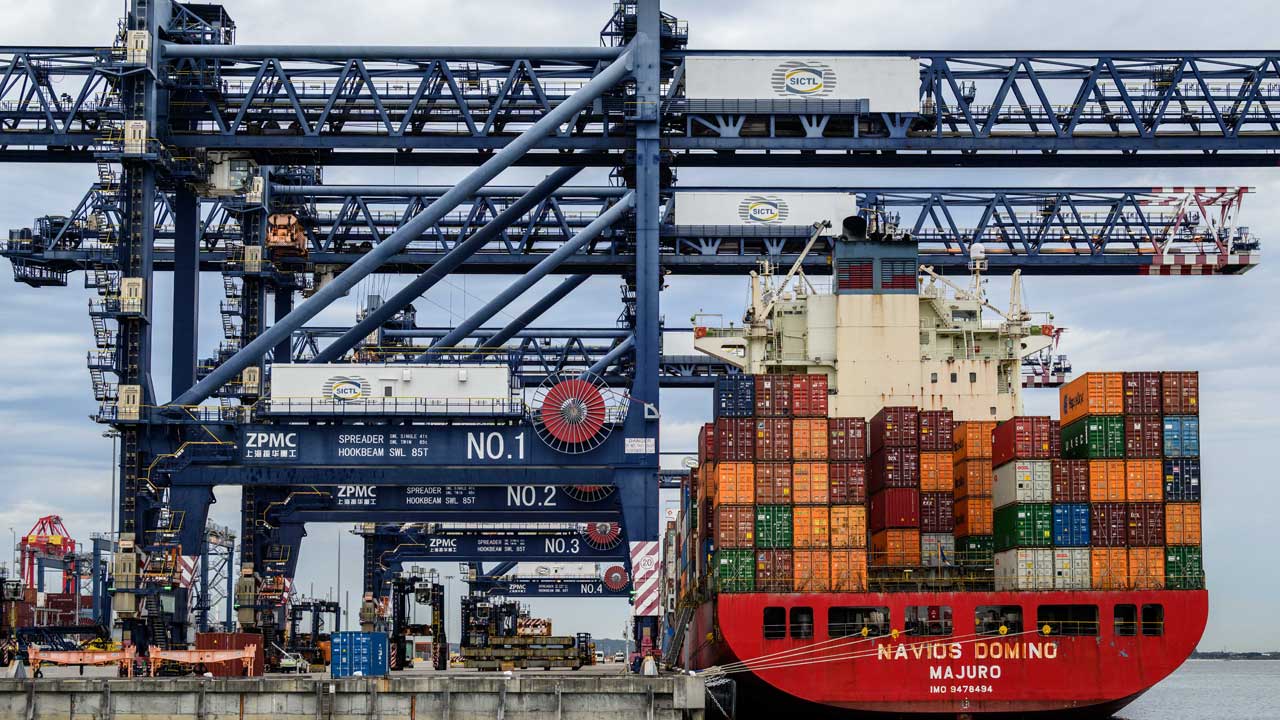
[Supplied]
Consumers and businesses are being warned to brace for further price increases in the coming weeks and months as global freight costs continue to rise.
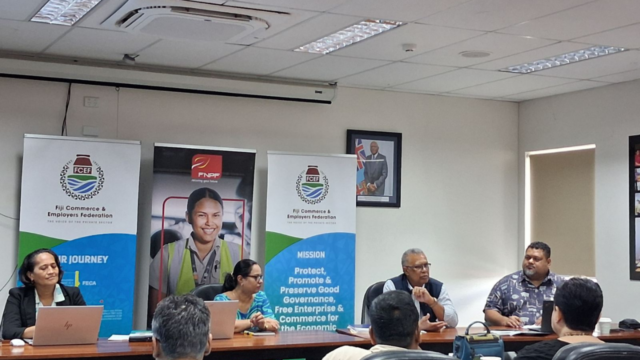
The Fijian Competition and Consumer Commission says the pressure is being driven by ongoing geopolitical tensions and disruptions in key maritime routes.
FCCC Chief Executive Senikavika Jiuta states that instability in corridors such as the Strait of Hormuz and the Red Sea is forcing major shipping changes that are pushing costs higher.
She said vessels that would normally pass through the Suez Canal are now diverting around the Cape of Good Hope, adding up to 14 days to delivery times and cutting global shipping capacity.
The Commission also highlighted a sharp increase in war-risk insurance premiums for ships travelling through high-risk areas.
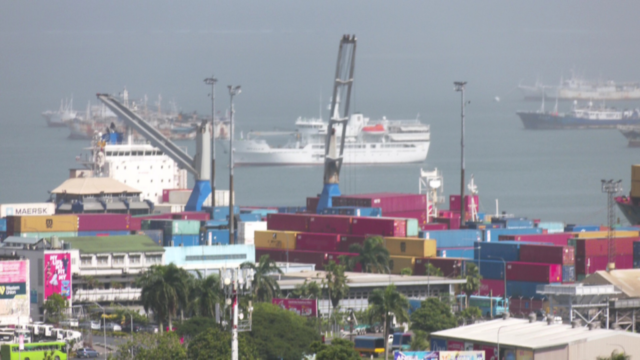
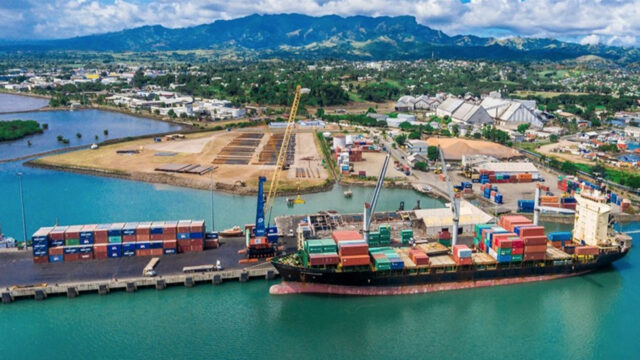
These additional costs are being passed down the supply chain and are now reaching ports including Suva and Lautoka.
According to the FCCC, the Containerised Freight Index has risen by more than 35 per cent compared to the same period last year.
Jiuta said the impact would be strongly felt in Fiji, where about 80 per cent of consumer goods, including food, fuel, and household essentials, are imported.
Fuel and transport services are expected to feel the first wave of increases as freight adjustments are quickly passed on.
Construction materials such as steel and cement are also expected to rise in cost. Retail and grocery prices are likely to follow as new shipments arrive at higher freight rates and existing stock is exhausted.
Government has activated Phase One of the National Fuel Emergency Action Plan and is tracking developments through the Fuel Advisory Committee and the National Disaster Management Office.
The FCCC is urging businesses to ensure any price changes are justified and backed by clear cost records, including freight invoices and supplier documents.
Jiuta warned that enforcement action will be taken against traders who impose unjustified increases.
Importers have also been advised to plan further ahead, extending procurement timelines by three to four weeks, while consumers are being encouraged to avoid panic buying that could add further pressure on supply chains.