 Litia Cava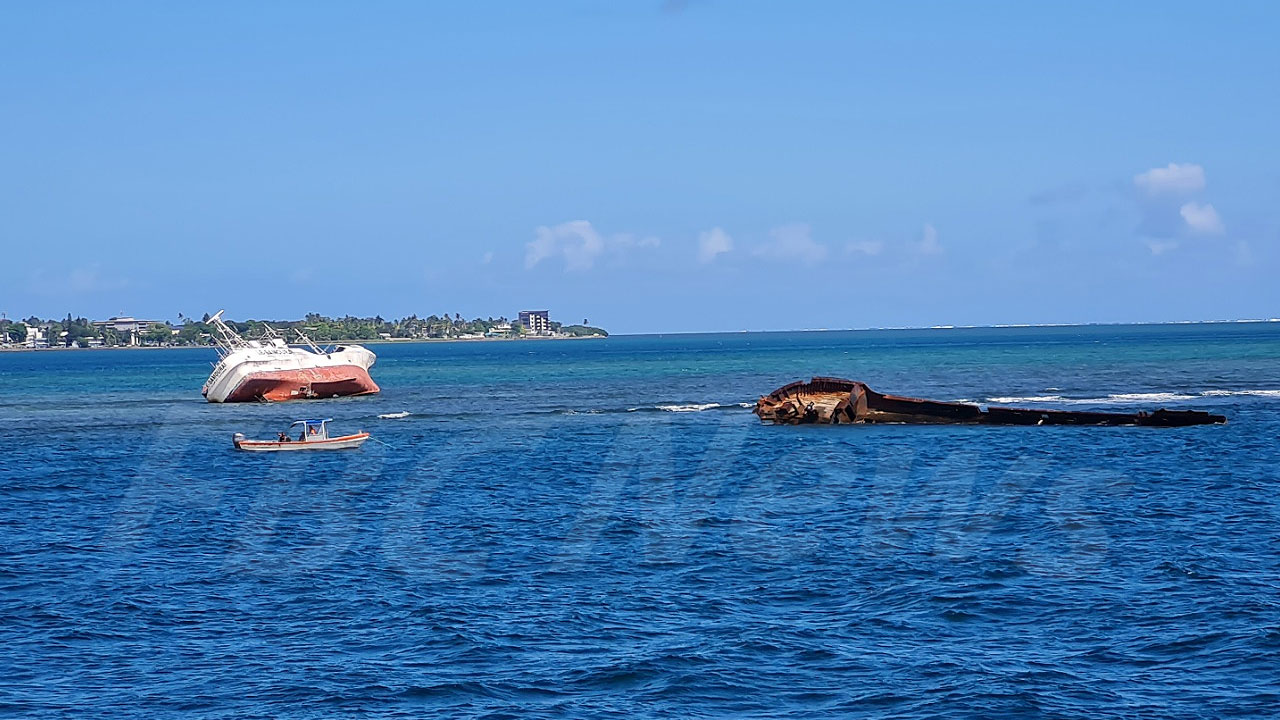
[Photo: FILE]
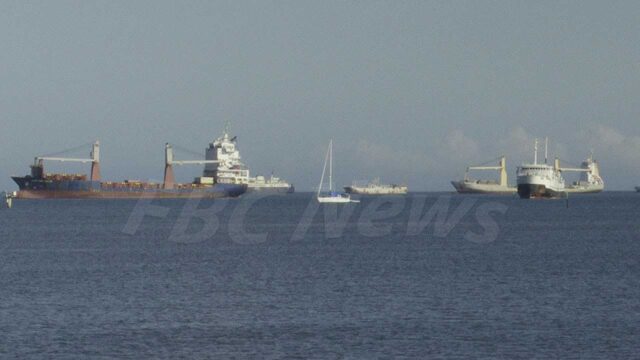
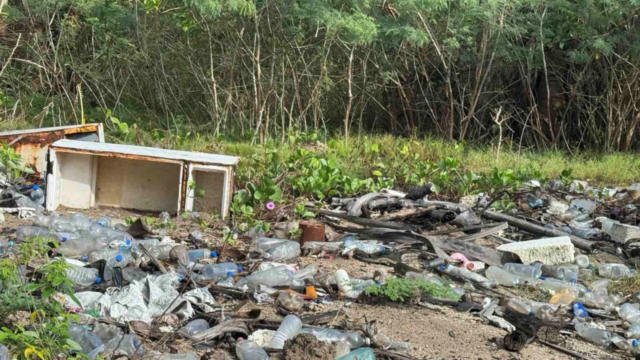
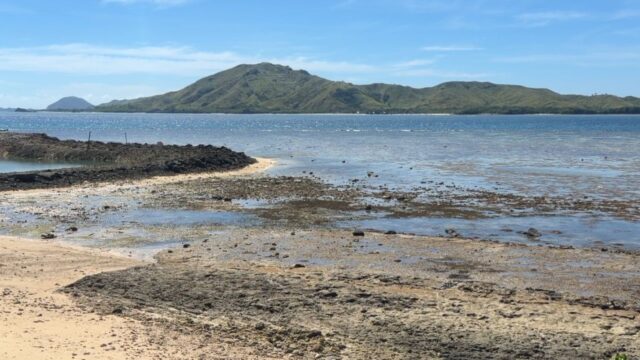
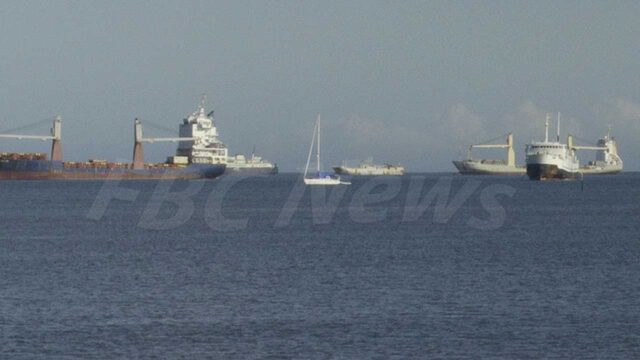
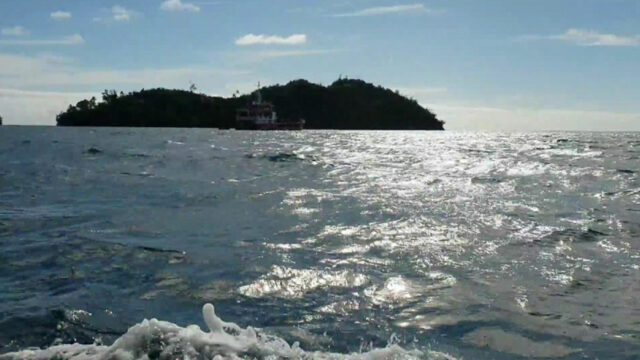
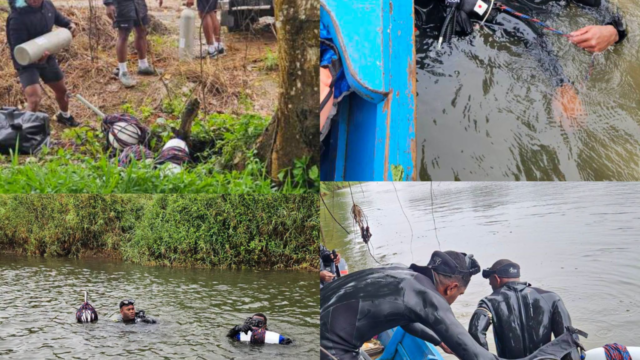
Derelict vessels are damaging the marine environment and creating serious safety risks at sea.
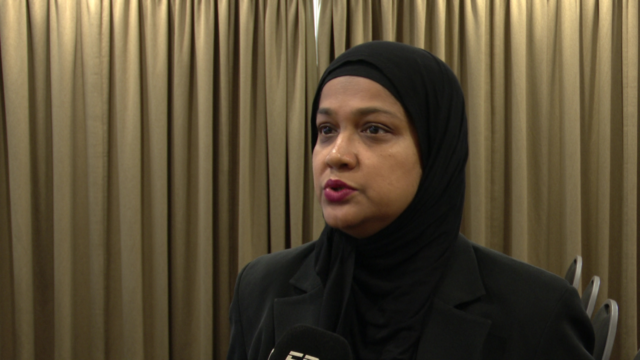
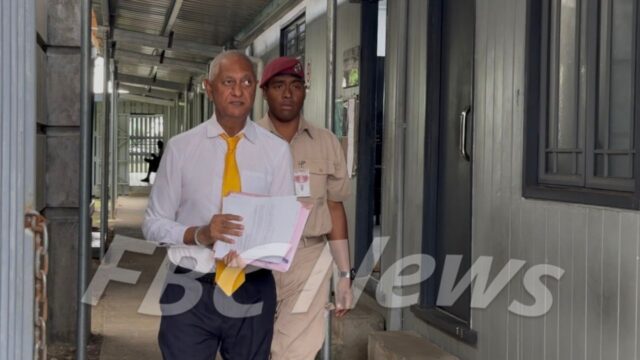
Acting Director Transport Aseri Driu said abandoned ships scattered across the country are harming ecosystems and threatening navigation. She states that the problem is also increasing government costs.
The Ministry of Transport has launched a two-phase derelict ship removal program.
The first phase targets floating abandoned vessels and is led by a Joint Maritime Environment Committee. The second phase will assess partially and fully submerged wrecks, identifying their locations and removal costs.
The feasibility study is supported by the United Nations Economic and Social Commission for Asia and the Pacific.
“One thing we have noticed and you will also see in these two days’ workshop that we have data that are housed within the respective agencies, transport agencies. One thing that’s lacking in government is a centralized database to house at least just a high level summary.”
Driu said high removal costs are a key reason vessels are abandoned.
The lack of a marine insurance framework has exacerbated the problem. The Ministry is now developing a national marine insurance policy.
She said cleanup efforts are linked to broader plans to decarbonise transport. These initiatives support Fiji’s commitments under Nationally Determined Contribution 3.0 and Vision 2050.
Projects include a framework for affordable low-carbon shipping and ports. An energy-efficiency review of government vessels is also underway, with around 12 vessels being assessed.
The government shipping franchise scheme has been allocated $3.7 million to support vessels servicing uneconomical routes. Operators are contracted for 15 years and must submit plans to transition their fleets to lower-emission standards.
The ministry has also confirmed a $300,000 freight subsidy targeting the transport of building materials to outer maritime islands. Driu noted that freight costs remain high and will be reviewed with the Fijian Competition and Consumer Commission.
Broader reforms are progressing, including the development of a transport sector master plan and a transport decarbonisation strategy.
The second phase of the household travel survey will be conducted this year, supported by regional partners and the University of the South Pacific.
Driu said transport data remains fragmented. A central planning database is being developed to track emissions and infrastructure targets.
Work has begun on a proposed Transport Planning Act, which will provide a clear legal framework for the sector.
Driu warned that without urgent action, environmental damage and fuel dependence will continue to grow.
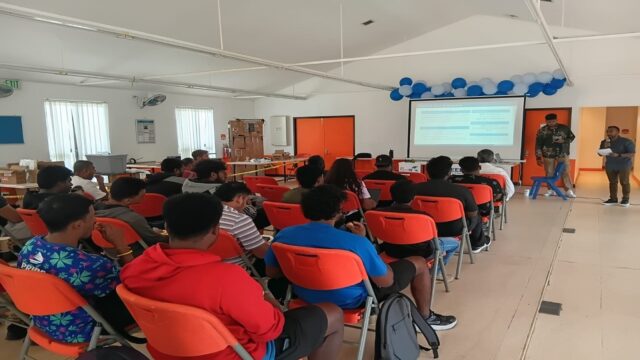
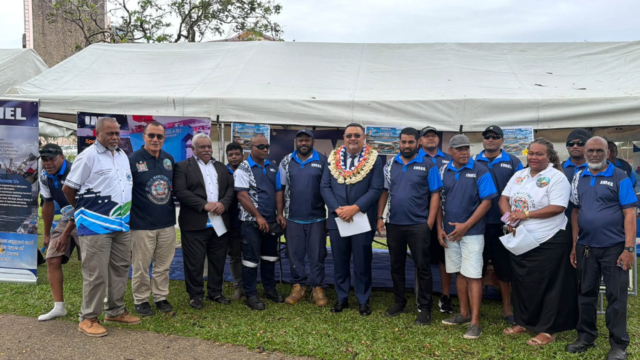
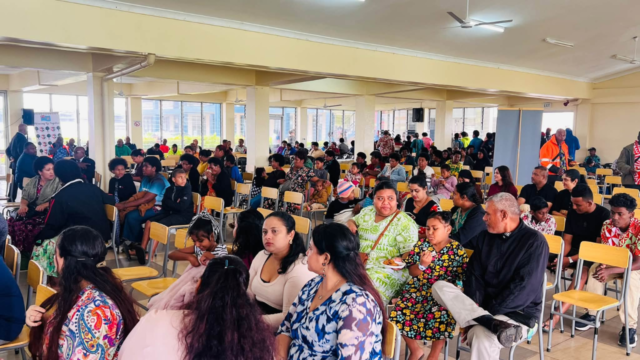
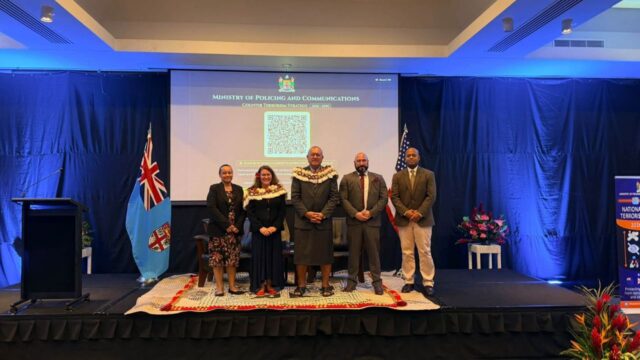
This was discussed during the National Transport Infrastructure Consultation Forum.