
 Ritika Pratap
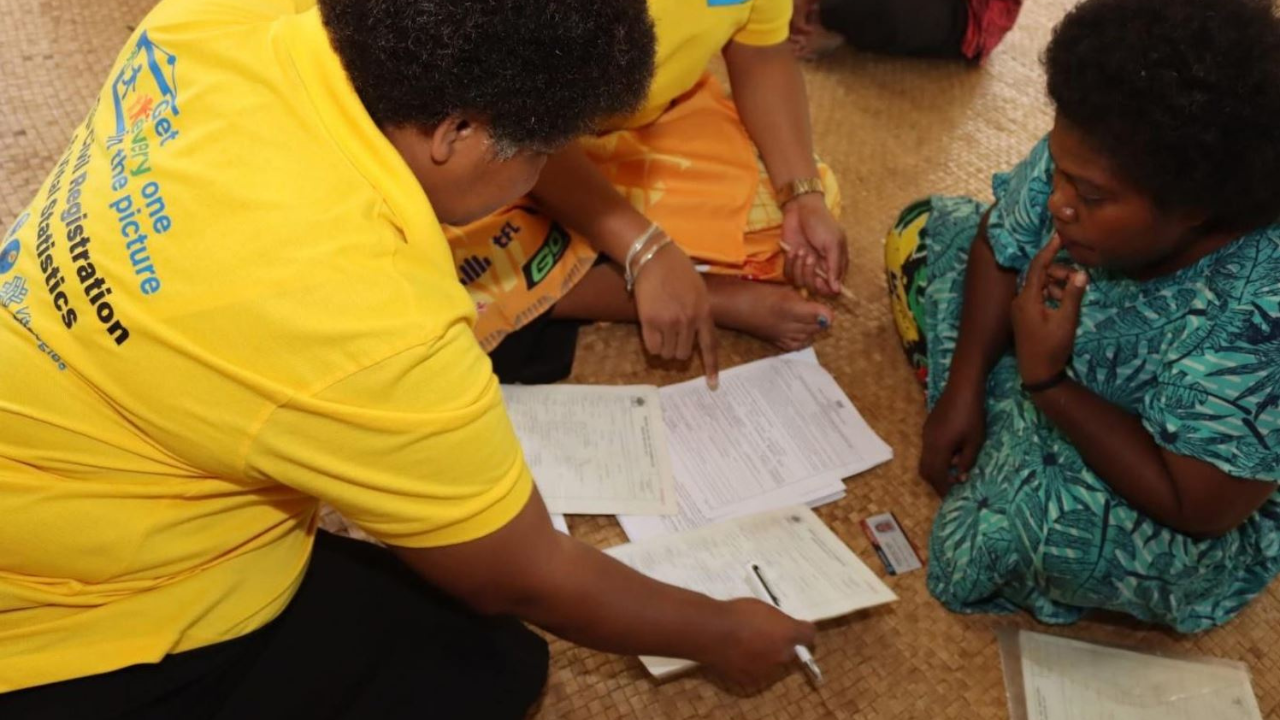
A multi-staged project has identified that the longest average birth registration delays often exceed 600 days.
This data was derived from an analysis of 158,153 birth registration records, which identified wide variation in registration timeliness across Fiji’s registry offices.
The registration delays are most common among iTaukei children, single mothers, and younger mothers, reflecting the intersection of gender, social, and geographic barriers that influence access to timely registration.
This pattern highlights the need for targeted strategies that specifically address the compounding effects of gender and location on registration outcomes.
The other issues identified during the project are the delay in the issuance or loss of Notification of Birth forms from health facilities.
This remains a major cause of late registration, creating extra costs and administrative burdens for parents.
The project report highlights that in some cases, families must return to health facilities multiple times to obtain replacement documentation, causing further delays and discouragement.
It says that the limited connectivity and high travel costs in remote and outer island communities also impede both families’ access to registration services and the registry teams’ capacity to conduct regular outreach visits.
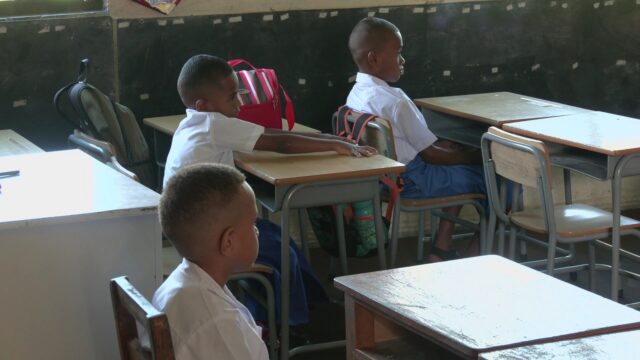
In response to these constraints, some families present unofficial documents for school admissions in place of birth certificates, such as in Lakeba where baptism cards are frequently used.
Universal and timely birth registration is a fundamental human right and a cornerstone of good governance.
For Fiji, it secures every citizen’s legal identity and access to essential services such as education, healthcare, and social protection.
Despite progress, analysis of national Civil Registration and Vital Statistics, this new data reveals persistent gender and geographic inequities in on-time birth registration, particularly in rural, maritime, and socio-economically disadvantaged communities.
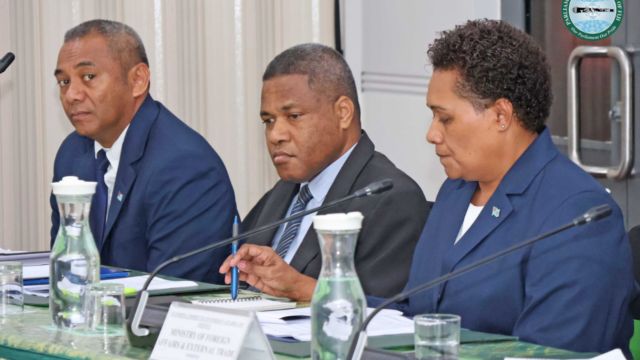
The project was carried out by the Fiji Bureau of Statistics in collaboration with the Fiji Ministry of Justice, through the Births, Deaths and Marriages Office, the Ministry of Health and Medical Services, and the Ministry of iTaukei Affairs.
They have been supported by Vital Strategies under the Bloomberg Philanthropies Data for Health Initiative Global Grants Programme.
The multi-staged project aims to identify and address these gender inequities.
Stream the best of Fiji on VITI+. Anytime. Anywhere.