 Riya Mala
[Photo: FILE]
As Fiji wrestles with a rising HIV outbreak alongside an escalating drug crisis, leaders are increasingly turning to one key message: real solutions must come from the community, not just the policy table.
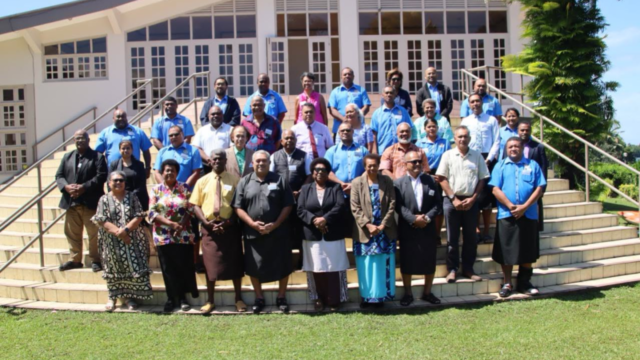
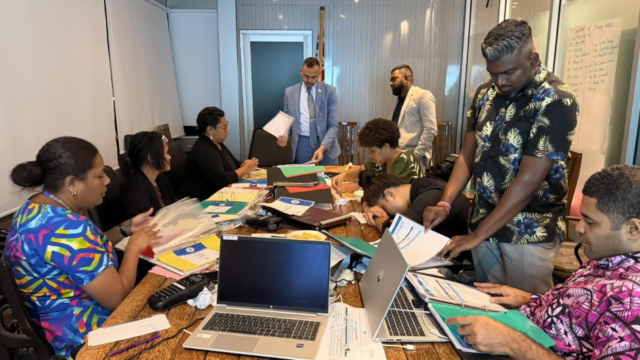
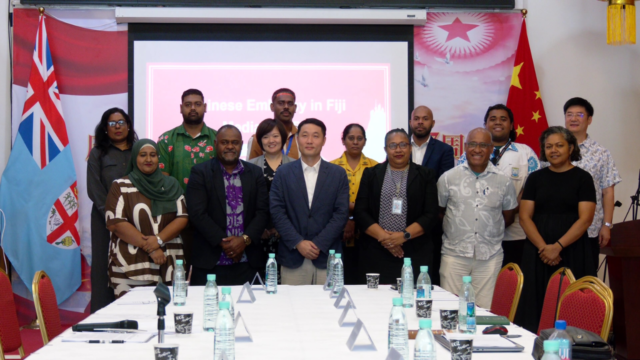
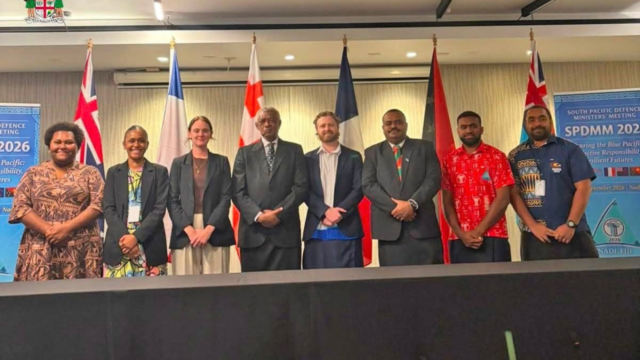
This was the central theme at a high-level roundtable held at the Pacific Islands Forum Secretariat during the visit of Australia’s Foreign Minister, Senator Penny Wong, where faith leaders, community representatives, and development partners gathered to discuss Fiji’s growing public health challenges.
The meeting underscored a shared concern that while policies and national programmes are critical, their success ultimately depends on the strength, trust, and engagement of communities on the ground.
Participants stressed that Fiji’s response to HIV and drugs must be rooted in compassion, dignity, inclusion, and stronger coordination between government, churches, and community groups.
The discussion was facilitated by General Secretary of the Pacific Conference of Churches, James Bhagwan, who called for united leadership to help families navigate the worsening social and health impacts of drugs and HIV.
Wong acknowledged the urgency of the situation, saying Australia values the role of faith leaders and community organisations in shaping effective responses.
She says that Australia is committed to working closely with indigenous, faith-based, and civil society leaders, noting that their lived experience and influence are essential in designing support that actually works at the community level.
Wong also welcomed the insights shared during the roundtable, saying they will help guide Australia’s ongoing support for Fiji’s national response under the Vuvale Partnership.
A key message emerging from the discussions was that collective action saves lives, and without strong community involvement, even the best policies risk falling short.
As Fiji continues to confront the twin crises of HIV and drugs, leaders at the table agreed that the path forward must be built not only on strategy and funding but on trust, compassion, and shared responsibility at every level of society.