 Riya Mala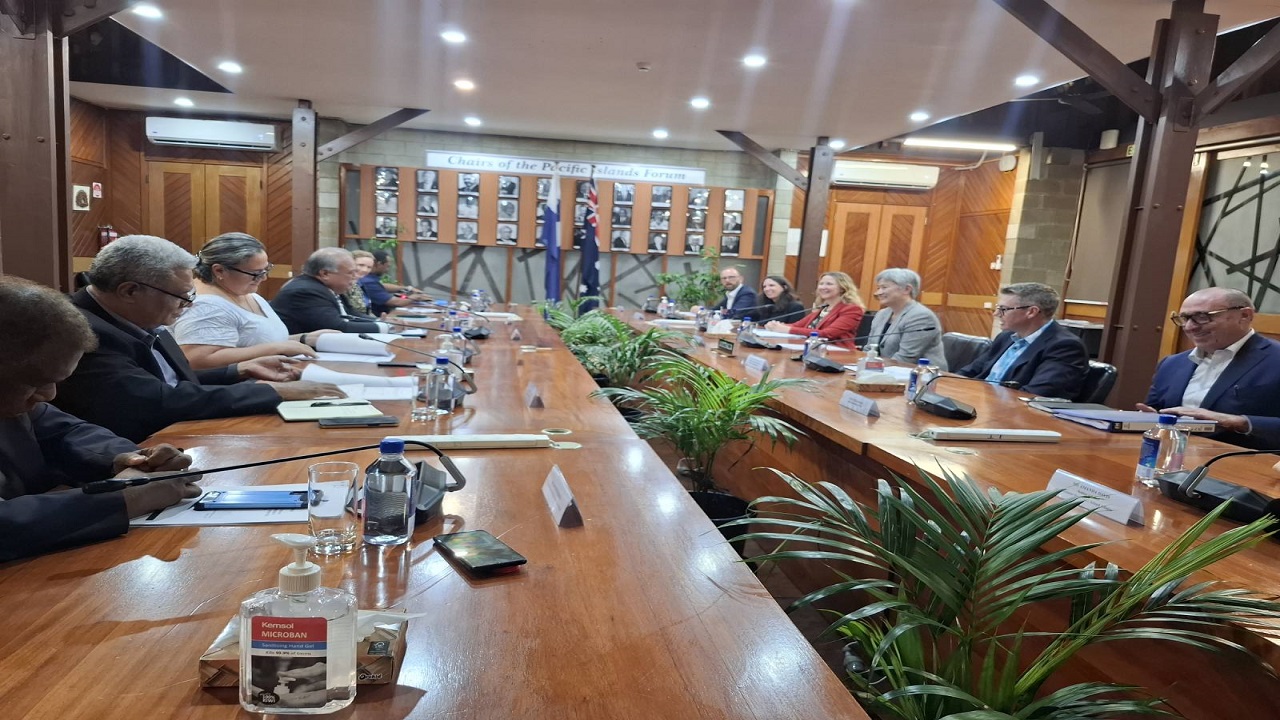
Australia is stepping up efforts to stabilise fuel supply across the Pacific as global disruptions threaten energy security and economic stability.
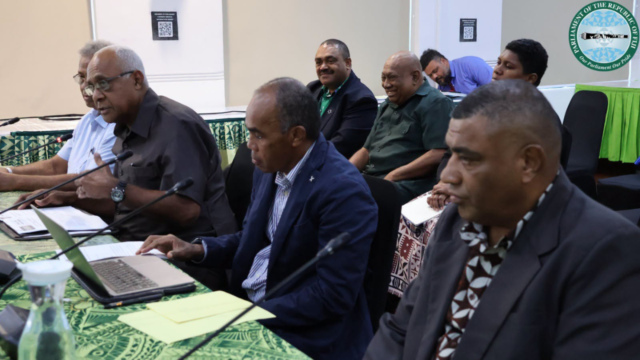
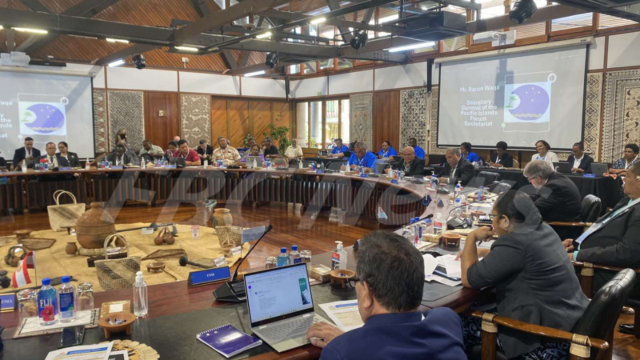
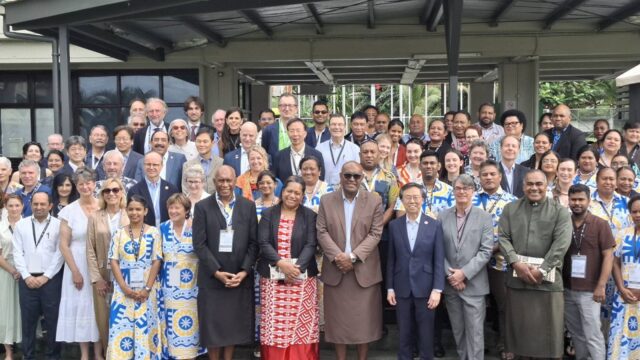
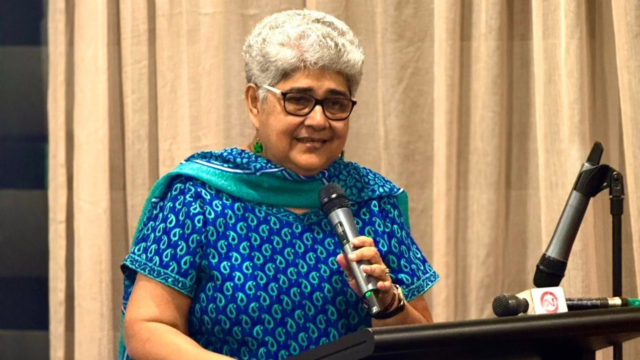
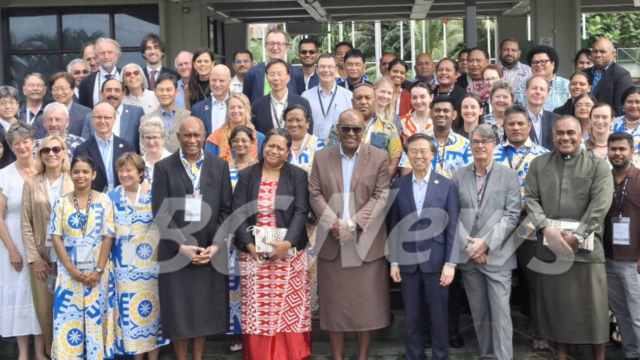
Speaking at the Pacific Islands Forum in Suva this evening, Australia’s Foreign Affairs Minister Penny Wong warned that the region is facing “unprecedented disruption” following the effective closure of the Strait of Hormuz, a key global fuel route.
She says rising fuel costs are already impacting critical sectors such as transport, tourism, agriculture, and electricity, with Pacific nations heavily reliant on imported fuel.
“And I’m pleased that the statement that I released last week with the Republic of Korea, which is a very large fuel supplier to our region and to the Pacific, we agreed to uphold the resilience of Pacific energy markets with the Pacific explicitly front of mind. We’re engaging with private companies that provide supply, and we know we maximise our impact as governments when we shore up existing commercial supply chains.”
Wong says while supply remains stable for now, Pacific countries remain highly vulnerable to price increases and future disruptions, with around 80 percent of fuel imports dependent on global shipping routes.
She reaffirmed Australia’s commitment to working with regional governments and partners, including New Zealand, Japan, the United States, France, the Asian Development Bank, and the World Bank, to coordinate a joint response.
“Coordinating these efforts to back a Pacific-led response to these global shocks makes all of our economies stronger, more secure, and more resilient now and into the future.”
Wong says Australia is also engaging with private fuel companies to strengthen supply chains and reduce volatility, while providing technical support to Pacific nations to help maintain essential services.
She adds that the Pacific Islands Forum remains a key platform for collective action, stressing that regional unity will be critical in responding to both the current fuel crisis and future challenges.