 Praneeta Prakash
While short-term fuel supply has been stabilized through recent diplomatic engagements, the broader priority now lies in strengthening Fiji’s long-term energy security framework.
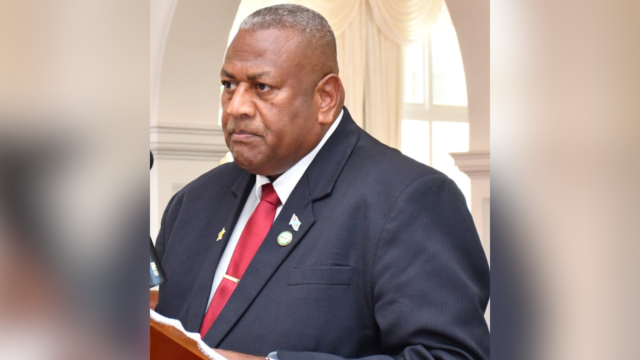
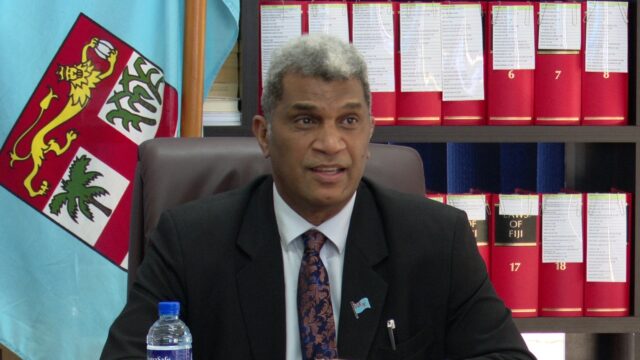
Minister for Foreign Affairs and External Trade Sakiasi Ditoka says that as global geopolitical tensions continue to disrupt supply chains and drive economic uncertainty, the government is shifting its focus from immediate fuel security concerns toward building a more resilient and sustainable energy future.
He highlighted this in parliament following official visit to Singapore and Australia, where a delegation sought assurances on fuel continuity and explored strategies to mitigate the impact of global disruptions.
Ditoka says while officials confirmed that fuel supply to Fiji remains stable for now, the current system has highlighted structural vulnerabilities.
“Our existing system is largely dependent on just-in-time supply chains with approximately 30 days of storage capacity. This leaves us with limited buffer in the event of external disruptions. In this regard, our discussions underscore the importance of transitioning to a more structured reserve framework combining both onshore and offshore solutions.”
Ditoka say the government is advancing a dual-track strategy focused on both onshore and offshore fuel reserves.
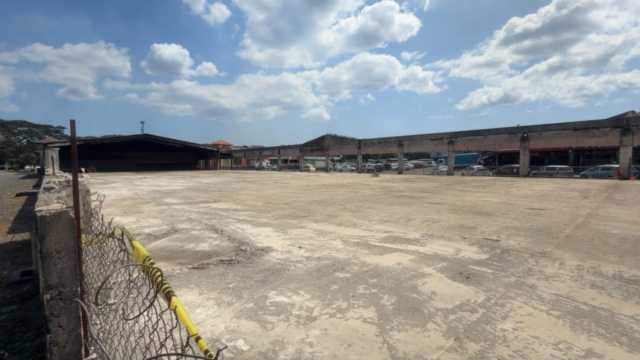
In terms of onshore reserves, this would involve the gradual development and expansion of domestic storage capacity within Fiji and such an approach would allow government to maintain a minimum strategic stockholding providing an immediate buffer during supply disruptions, shipping delays or sudden price volatility.
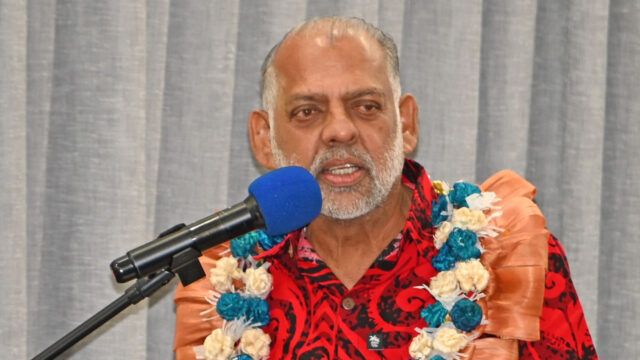
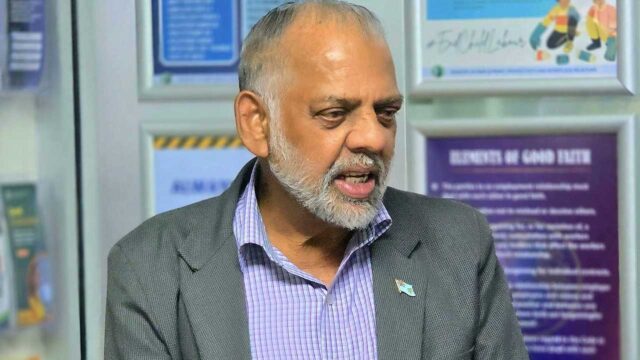
Opposition MP Premila Kumar welcomed the Government’s diplomatic outreach but called for greater clarity on tangible outcomes.
“It’s very important that we should do that. But diplomacy needs to be measured by outcomes. So I ask the Minister what binding commitments has Fiji secured? What emergency fuel reserve agreements have been signed? And what minimum supply guarantee has been locked in beyond the next shipment cycle?.”
Kumar also pointed to delays in meeting renewable energy targets, noting that earlier national goals have not yet been fully realized.