 Peceli Naviticoko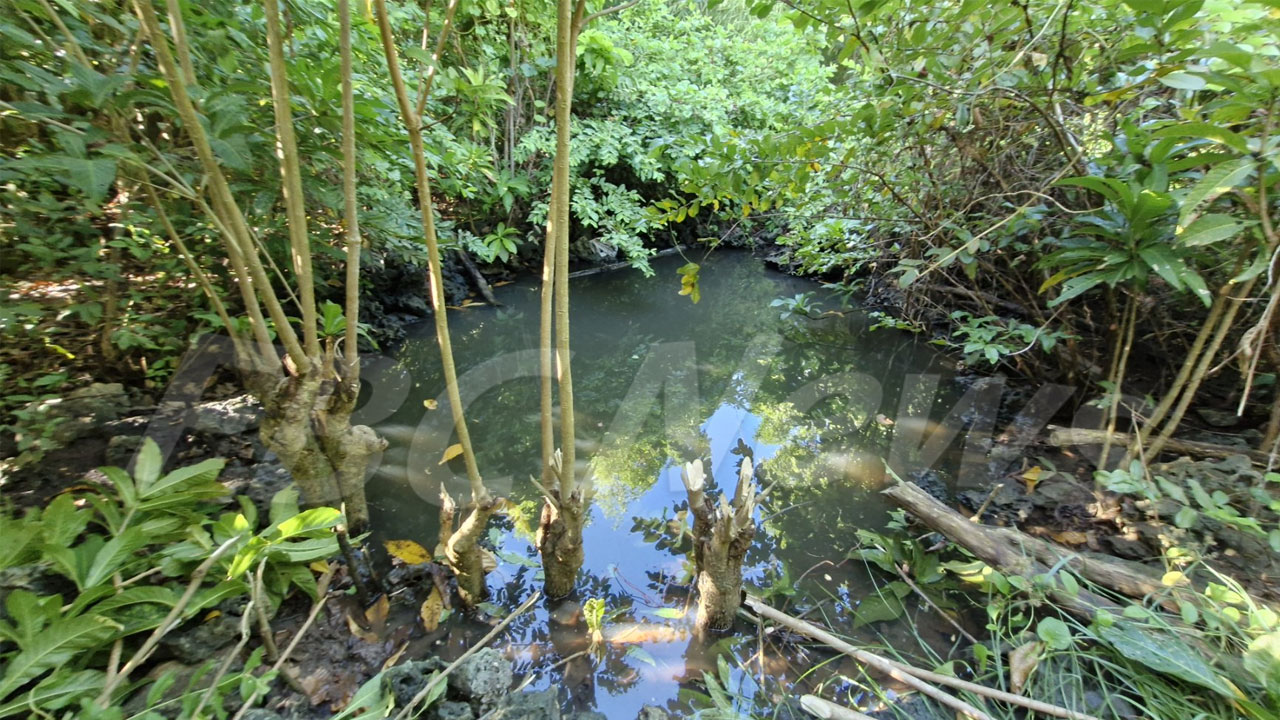
On Cikobia Island in Macuata, in Fiji’s northern maritime region off Vanua Levu, water scarcity has become a persistent and defining part of daily life, placing growing pressure on families, livelihoods, and essential services.
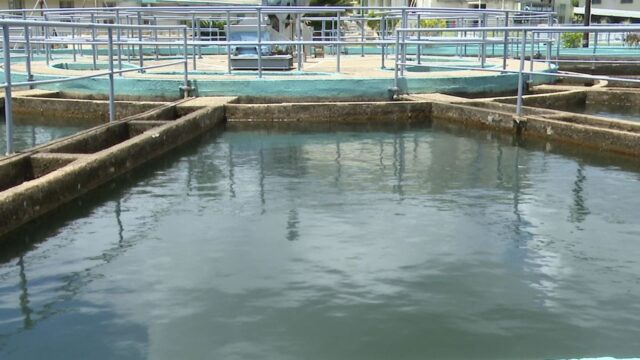
With no reliable piped water supply, villagers depend heavily on rainwater harvesting and limited underground sources.
However, increasingly erratic rainfall patterns and rising temperatures are worsening conditions, reducing the reliability of these already fragile systems.
Despite the challenges, communities continue to adapt.
Men and women across the island remain at the forefront of managing water use, health needs, and household survival, as the island continues to grapple with the realities of climate stress.
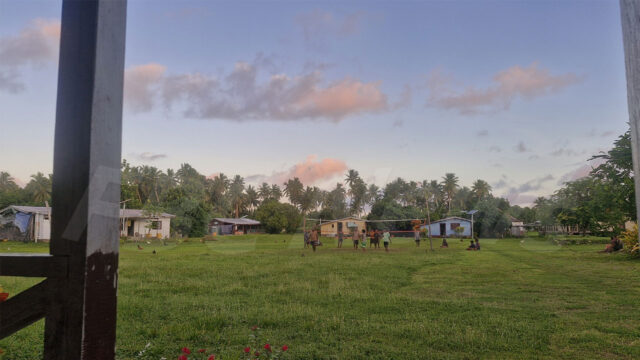
In 2023, Cikobia and its four villages, Vuninuku, Nalele, Nautovatu, and Vatulele, were placed under emergency response after the island’s water sources, including tanks and underground supplies, ran critically low.
Since then, residents say the situation has become a long-term struggle rather than an isolated event.
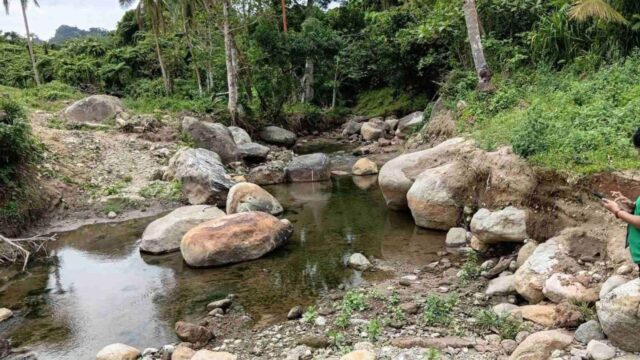
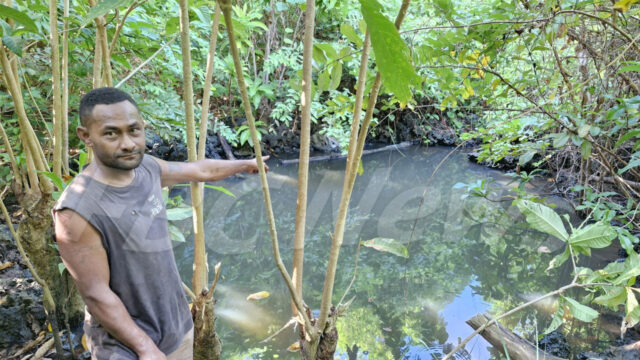
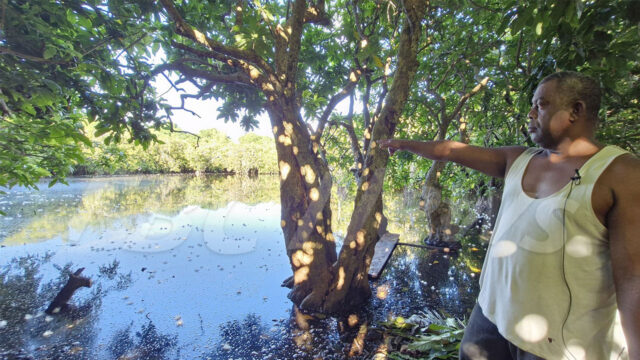
Water Committee head Koila Dulukorewa says the island’s natural sources are now under increasing pressure, especially during extended dry periods.
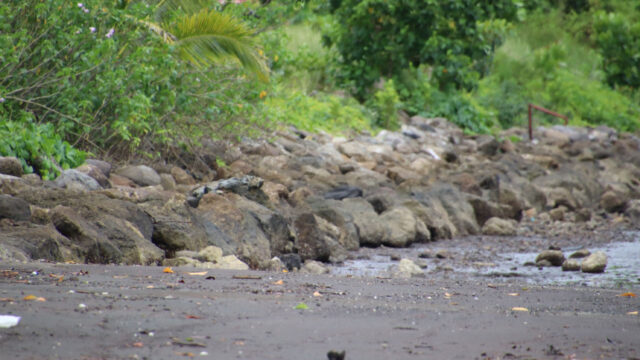
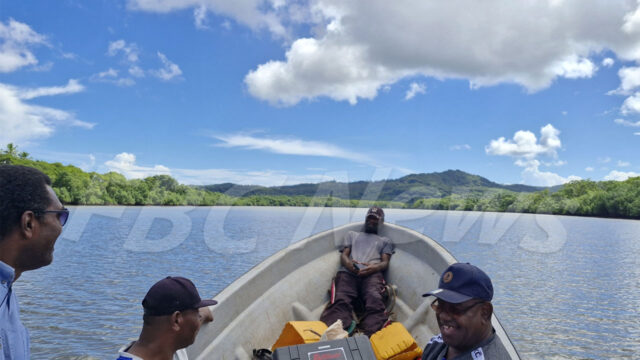
“What you’re seeing beside me is one of the main water sources villagers rely on when there is no rainwater, especially during the dry season. Even this can dry up. This is where people used to come to collect water and carry it back to the village for survival.”
For women in Cikobia, the water crisis carries both physical and social burden.
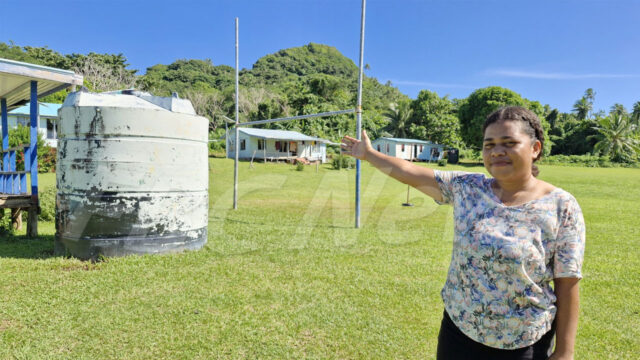
Sulueti Misi says water collection and rationing has become part of everyday survival, shaping how households function during dry spells.
“I remember how we used to walk inland to search for water and carry it back to the village. Now we have water tanks, but even that is not enough when the dry season comes. We have learned to manage and ration every drop it’s a survival skill we’ve had to master on this island.”
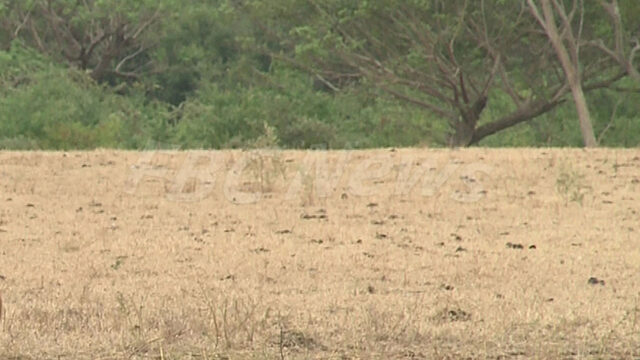
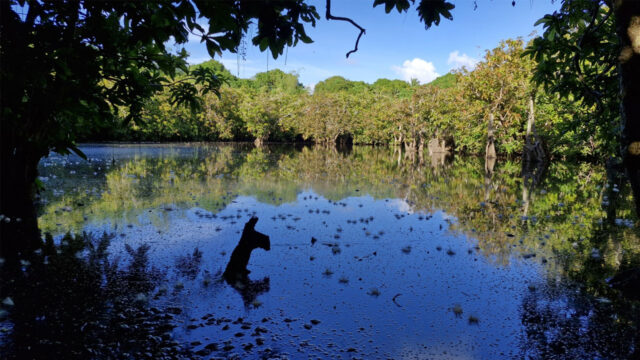
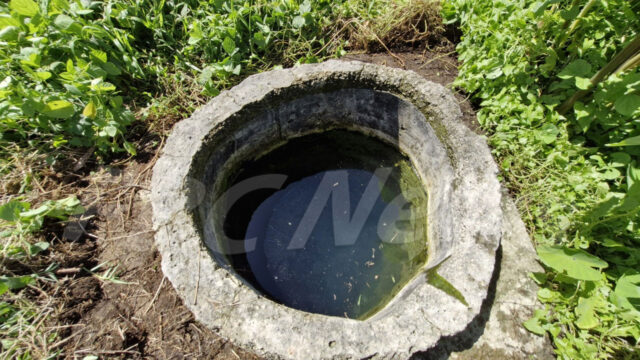
Further inland, natural catchment areas such as Lobau remain vital backup sources when other supplies run dry.
However, Village Headman Semi Rogoyawa say even these systems are highly dependent on rainfall and cannot be relied upon year-round.
“This place here is like a lake, called Lobau. Right now, the water level is high because of the rain, but it will dry up too. Everyone comes here for everything bathing, drinking, even for animals. It may not be ideal, but this is how we survive.”
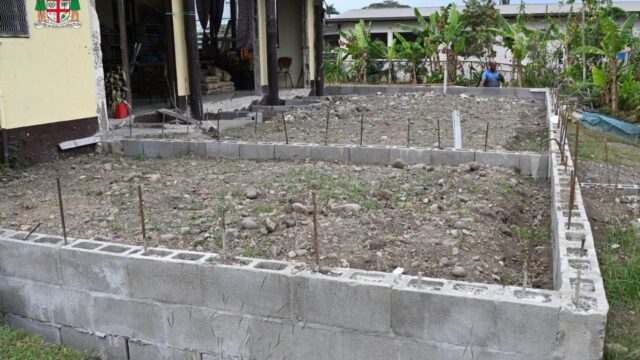
The water shortage is also affecting essential services, including education. According to Teacher Teresia life at Cikobia’s only school, Cikobia District School with fewer than 20 students from preschool to Year 8, water use is strictly rationed during dry periods.
This is where students get a glass of water each per day and parents are responsible for their drinking water while pit toilets also comes into effect.
“At the school, students are given only one glass of water a day. If they are still thirsty, they have to bring water from home because the school cannot provide more. That is the reality here during the dry season.”
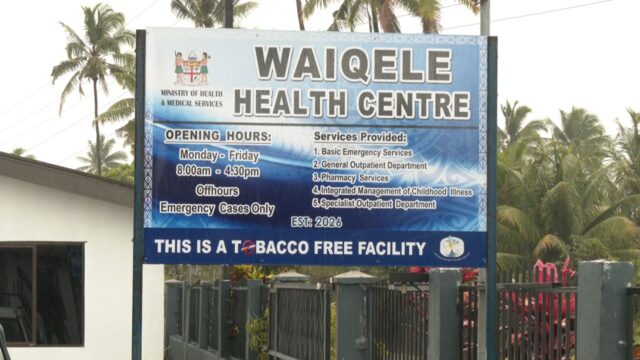
District Nurse at the Cikobia Nursing station, Salote Nailolo say while there have been no major outbreaks of waterborne diseases such as typhoid or severe diarrhoea, continued vigilance is critical due to limited and variable water quality.
“We haven’t had major outbreaks like typhoid or severe diarrhoea from the water we use, but as a nurse, I continue to advise villagers to boil drinking water and keep tanks covered to prevent mosquito breeding. Water is very precious here even if it’s not clean, it is still used for basic needs like sanitation.”
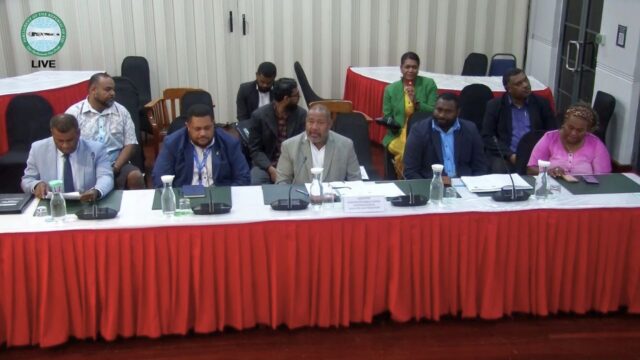
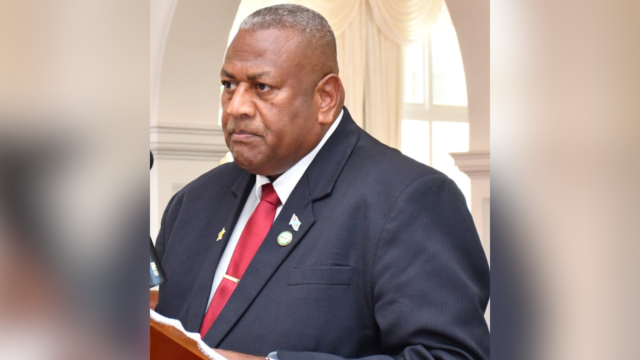
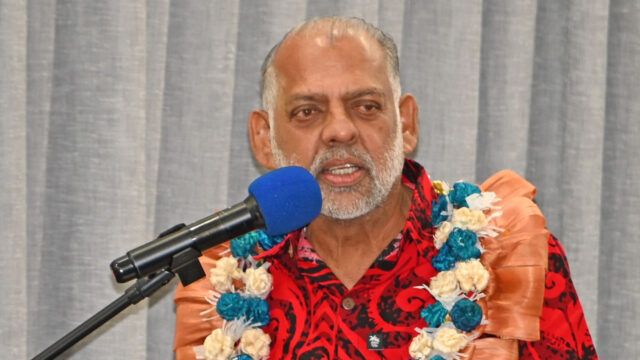
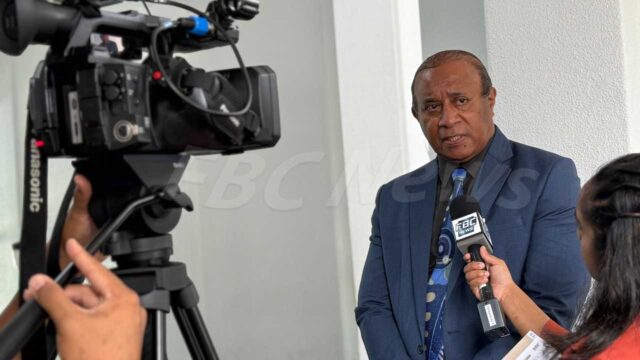
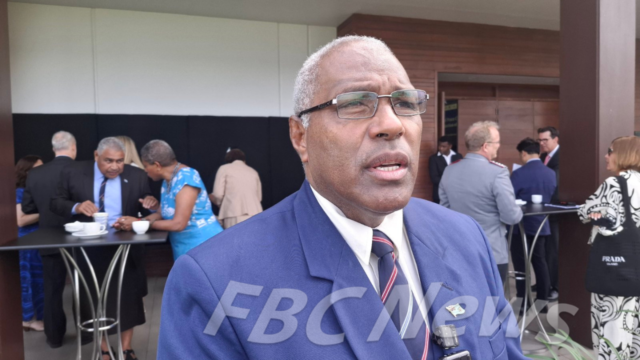
But according to Minister for Rural and Maritime Development Mosese Bulitavu says government says long-term interventions are now being developed to address Cikobia’s ongoing water challenges, including infrastructure-based solutions.
“The government, through the Ministry of Rural Development and the Mineral Resources Department, has already carried out scoping. We have applied for funding of around $180,000 in the next financial year for solar-powered systems to pump water from identified sources. That is the long-term solution we are working towards to address the water challenges in Cikobia.”
Despite continued hardship, many families remain on the island, holding on to their homes, land, and way of life. Others have relocated to mainland Vanua Levu.
For those who remain, resilience has become a necessity as Cikobia confronts a future where water scarcity is no longer occasional but increasingly expected.