 Ritika Pratap
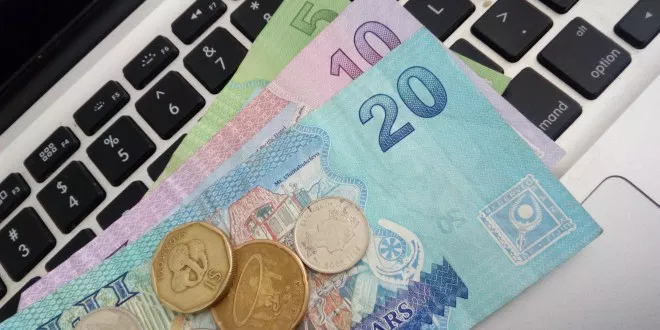
Fiji’s annual headline inflation remained in negative territory and stood at -0.8 percent in March, according to the Fiji Bureau of Statistics.
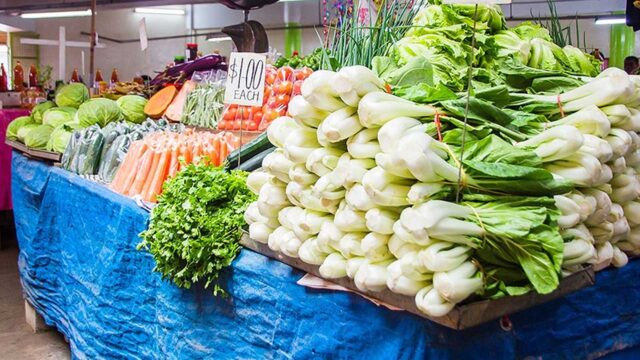
However, the Reserve Bank of Fiji warns that inflation is expected to rise in the coming months, driven by higher fuel costs from the US-Iran conflict and a spike in food prices following Tropical Cyclone Vaianu.
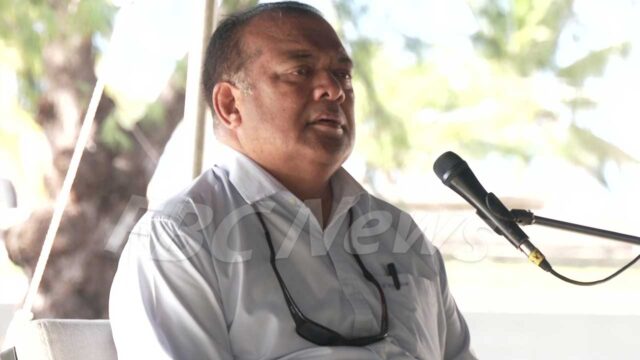
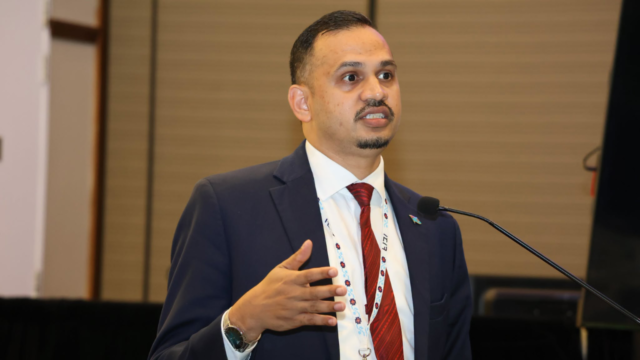
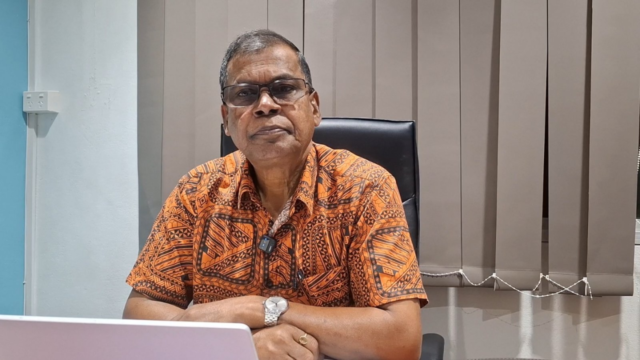
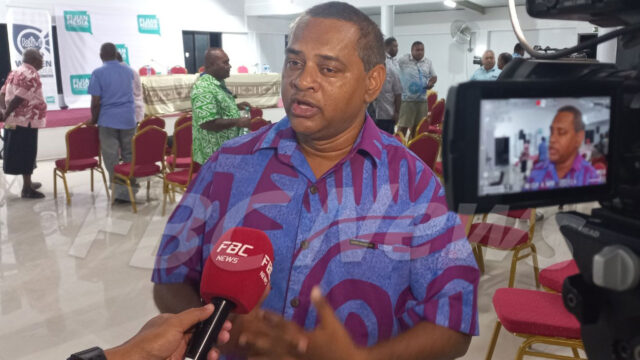
Governor, Ariff Ali, says domestic economic activity continued to be supported by the tourism sector, with visitor arrivals expanding by a robust seven percent in the first quarter of the year.
Ali says on the demand side, consumption activity has shown signs of moderation despite support from growing household incomes, strong remittance inflows, and increased employment.
In contrast, Ali says investment activity remains positive, consistent with increases in new investment lending and construction-related imports, as well as some moderation in building material prices.
Looking ahead, Ali highlights that supply side pressures, including rising fuel and freight costs, shortages of skilled labour and a more cautious wait‑and‑see stance by businesses in an election year, present potential constraints to investment activity.
He adds that the impact of the US-Iran conflict on the Fiji economy is expected to materialise through a number of channels, including higher fuel prices, an increase in inflation, disruptions to the supply chain and through tourism from our key source markets.
The International Monetary Fund has recently revised down its global growth outlook for 2026 to 3.1 percent, noting that growth could weaken further if the war persists and oil prices increase sharply.
As a price taker, Fiji remains vulnerable to extended periods of high global fuel prices, which could increase the cost of living, constrain household spending, raise business expenses and delay investment, ultimately dampening growth and, in worse cases, heightening risks of a recession.