 Litia Cava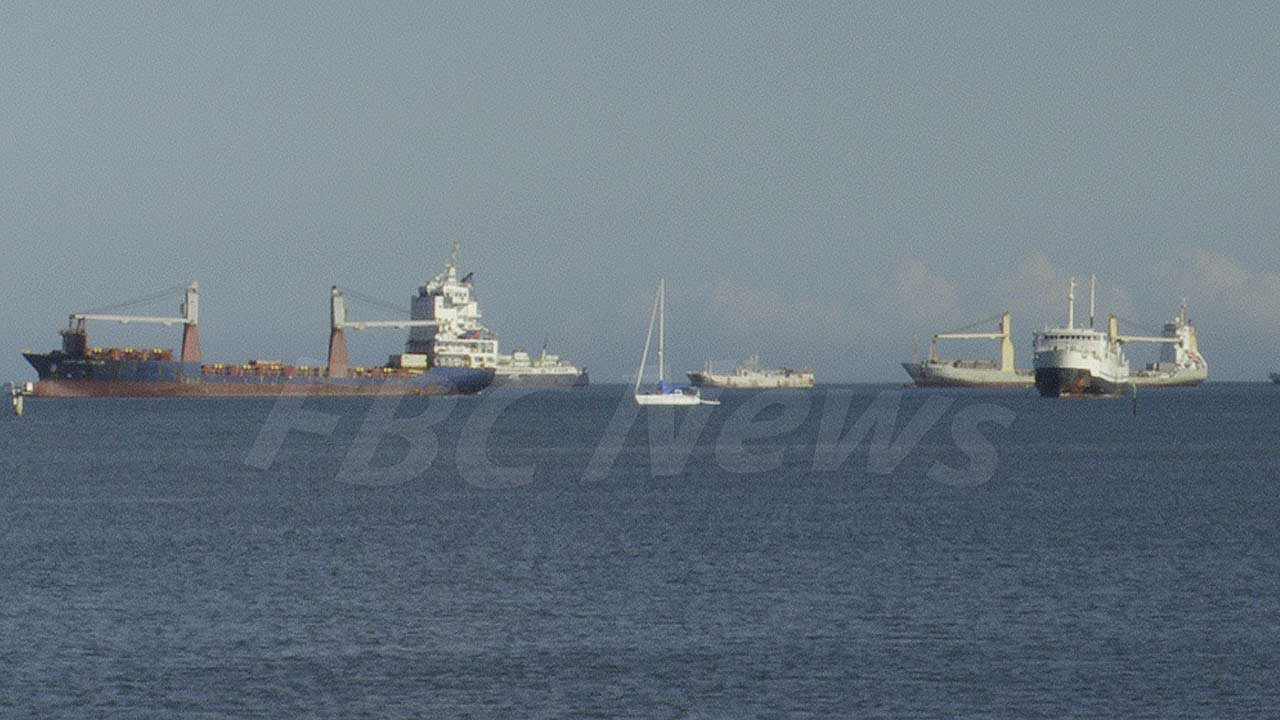
[Photo: FILE]
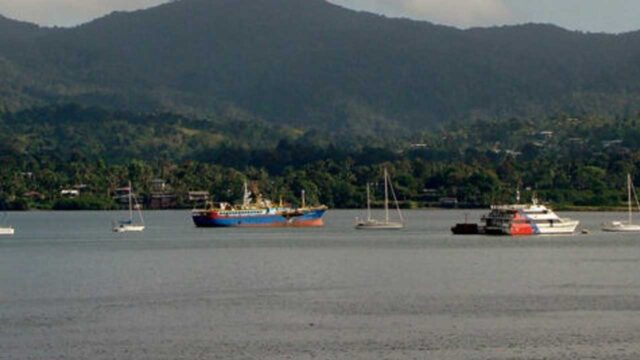
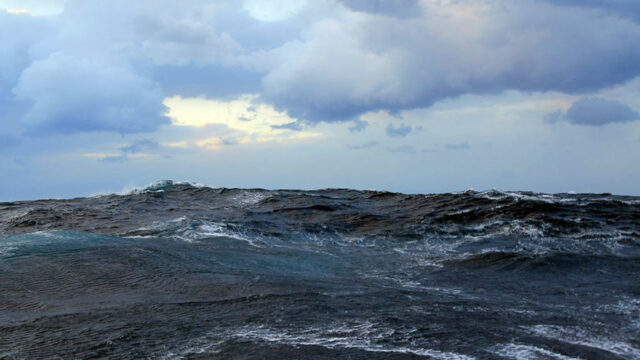
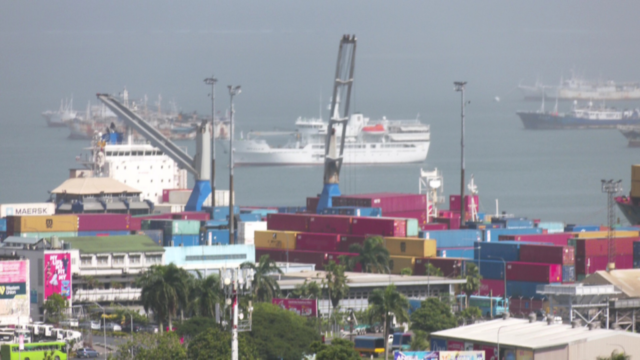
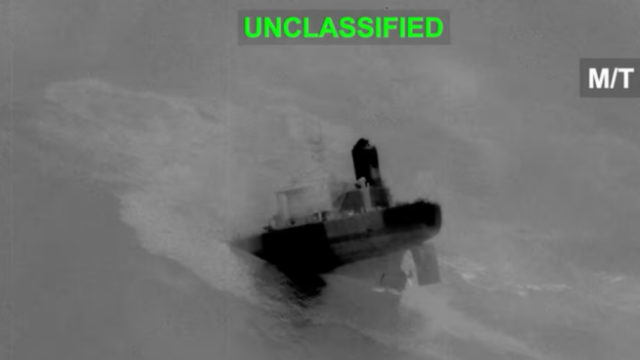
Maritime routes continue to be a key entry point for drug trafficking and transnational crime into Fiji.
This exposes significant surveillance gaps across the country’s vast Exclusive Economic Zone.
The government has acknowledged the scale of the problem, describing the ocean space as a persistent security blind spot that continues to be exploited.
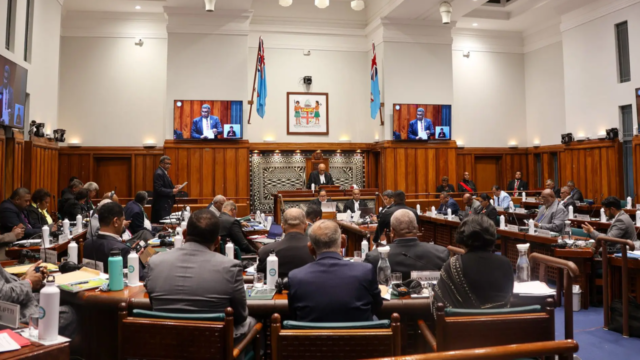
The issue was raised in Parliament by Opposition MP Semi Koroilavesau, who questioned the Government’s capacity to monitor the “huge expanse of oceans” within Fiji’s EEZ, warning that organised networks continue to exploit maritime gaps to move illicit goods undetected.
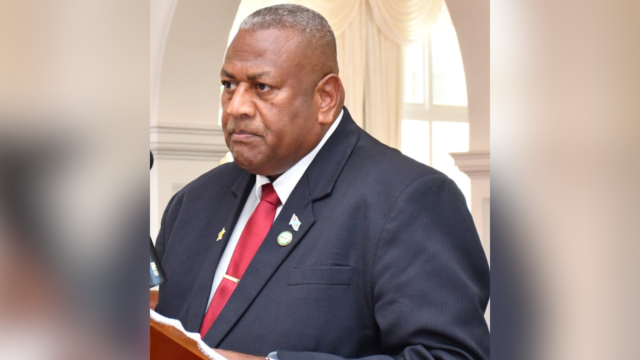
Defence and Veteran Affairs Minister Pio Tikoduadua said the threat extends beyond narcotics, pointing to a wider and increasingly complex maritime environment shaped by transnational organised crime, illegal fishing, human trafficking and rising regional security pressures.
He said Fiji’s current security posture cannot rely on traditional patrol-based surveillance alone, given the scale and cost of monitoring its ocean territory.
Instead, the government is shifting towards a layered and intelligence-led system designed to prioritise detection over constant physical presence.
Tikoduadua outlined three core pillars guiding the response.
The first is expanded regional cooperation with partners including Australia, New Zealand, the United States, Japan, France and Pacific neighbours.
He said intelligence sharing, joint patrols and training programs are being used to extend Fiji’s operational reach beyond its limited maritime assets.
The second pillar focuses on technology integration. He said Fiji was investing in radar systems, satellite surveillance, secure communications and unmanned aerial and maritime platforms to improve maritime domain awareness and enable targeted operations rather than broad and costly patrol coverage.
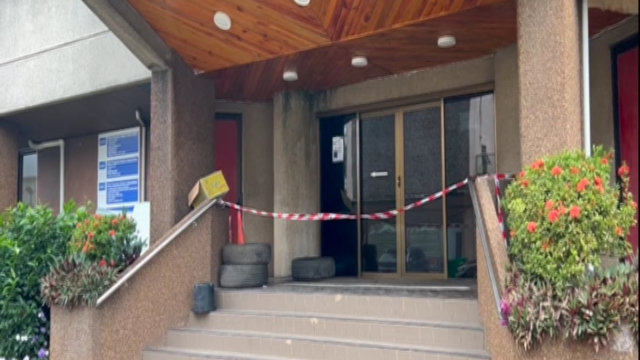
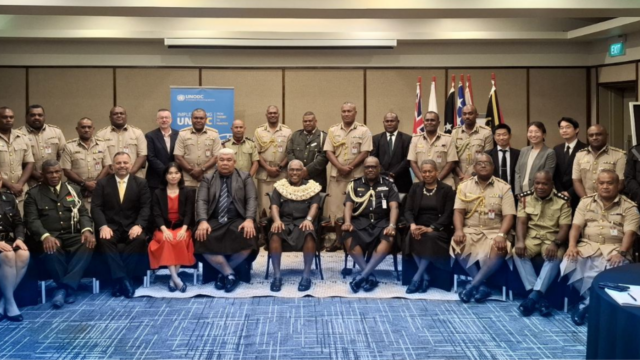
The third pillar centres on national coordination. The Vuvale Maritime Essential Service Centre in Lami brings together multiple agencies, including the Navy, Police, FRCS, Immigration, and the Fisheries and Biosecurity Authority of Fiji, in a single operational space to improve real-time information flow and inter-agency response.
Tikoduadua said these efforts will be anchored by a Maritime Security Strategy currently undergoing validation, which is expected to formalise Fiji’s long-term framework for maritime governance and align domestic capability with international partnerships.
He said the strategy is intended to shift Fiji’s response away from fragmented operations towards a structured security architecture capable of addressing evolving maritime threats.
However, concerns were raised in Parliament over operational readiness at the newly established coordination centre.
Government MP Rinesh Sharma questioned whether the Maritime Essential Service Centre should be operating on a 24-hour basis, arguing that continuous surveillance across sea, land and air is critical in addressing not only drug trafficking but broader national security risks.
Tikoduadua responded that the government will examine the proposal, signalling that operational scaling of the centre remains under consideration as pressure mounts to strengthen maritime surveillance capacity.