 Reuters
[Source: Reuters]
Iran said on Thursday it would respond with “long and painful strikes” on U.S. positions if Washington renewed attacks and restated its claim to the Strait of Hormuz, complicating U.S. plans for a coalition to reopen the waterway.
Two months into the U.S.-Israeli war with Iran, the vital sea channel remains closed, choking off 20% of the world’s oil and gas supplies.
That has sent global energy prices surging and heightened concerns about the risks of an economic downturn.
Efforts to resolve the conflict have hit an impasse, with a ceasefire in place since April 8 but Iran still blocking the strait in response to a U.S. naval blockade of Iran’s oil exports, Tehran’s economic lifeline.
U.S. President Donald Trump was scheduled to receive a briefing on Thursday on plans for a series of fresh military strikes to compel Iran to negotiate an end to the conflict, a U.S. official told Reuters.
Such options have long been part of U.S. planning but reports of the proposed briefing, first issued by news site Axios late on Wednesday, initially spurred big gains in oil prices, with the benchmark Brent crude contract hitting more than $126 a barrel at one point. It later slipped back to around $114.
Iranian Foreign Ministry spokesman Esmaeil Baghaei said on Thursday evening that it was not reasonable to expect quick results from U.S. talks, according to the official IRNA news agency.
“Expecting to reach a result in a short time, regardless of who the mediator is, in my opinion, is not very realistic,” he was quoted as saying.
Air defense activity was heard in some areas of Iran’s capital Tehran late on Thursday, Iran’s semi-official Mehr news agency reported, and the Tasnim news agency said air defences were engaging small drones and unmanned surveillance aerial vehicles.
On Thursday, the United Arab Emirates said it had banned its citizens from travelling to Iran, Lebanon and Iraq, and urged those currently in those countries to leave immediately and return home, citing regional developments.
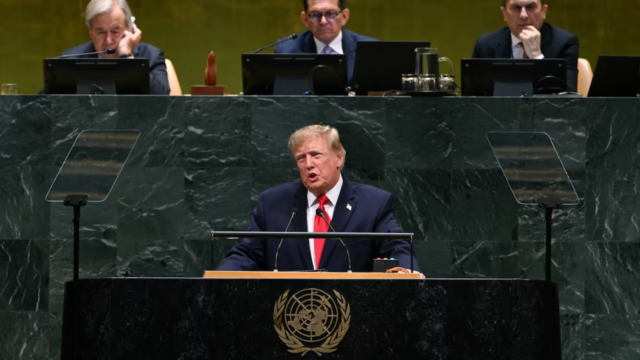
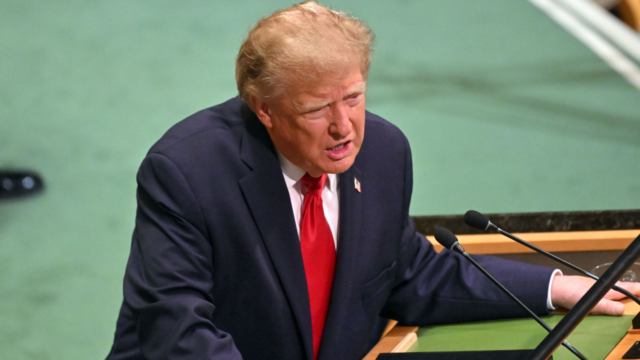
Trump reiterated to reporters on Thursday that Iran would not be allowed to have a nuclear weapon and that the price of gasoline – a key concern for his Republican Party ahead of the November midterm elections – would “drop like a rock” as soon as the war ended.
While repeating allegations of serious rights violations by Iran, Trump said he was “OK” with it playing in the upcoming soccer World Cup in the United States, after FIFA president Gianni Infantino insisted the country would take part.
IRAN WARNS OF ‘LONG AND PAINFUL STRIKES’
A senior official of Iran’s Revolutionary Guards said any new U.S. attack on Iran, even if limited, would usher in “long and painful strikes” on U.S. regional positions, while Aerospace Force Commander Majid Mousavi was quoted by Iranian media as saying: “We’ve seen what happened to your regional bases, we will see the same thing happen to your warships.”
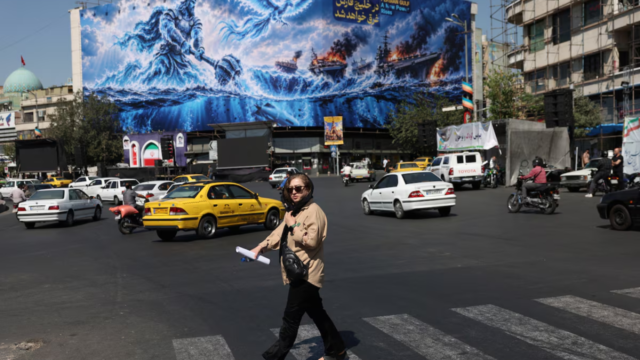
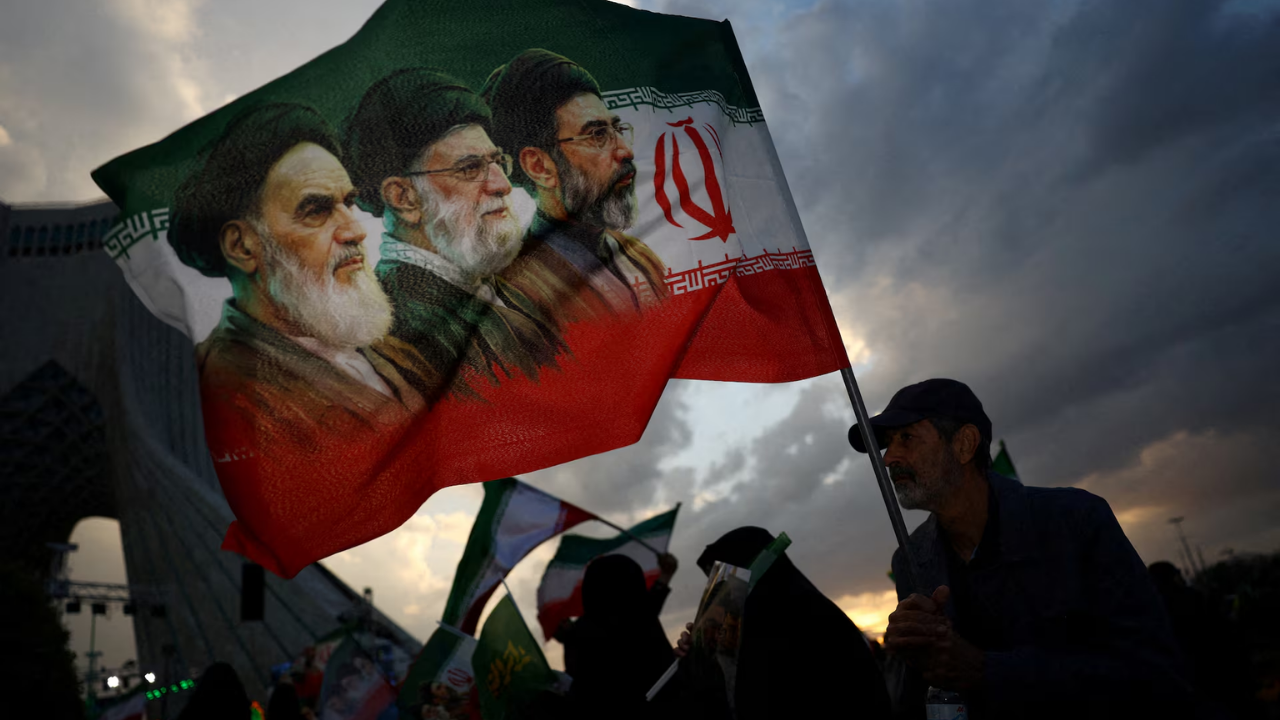
Supreme Leader Ayatollah Mojtaba Khamenei said in a written message to Iranians that Tehran would eliminate “the enemies’ abuses of the waterway” under new management of the strait, indicating that Tehran intended to maintain its hold over it.
“Foreigners who come from thousands of kilometres away…have no place there except at the bottom of its waters,” he said.
U.N. Secretary-General Antonio Guterres warned that if the disruption caused by the closure dragged on through mid-year, global growth would fall, inflation would rise and tens of millions more people would be pushed into poverty and extreme hunger.
“The longer this vital artery is choked, the harder it will be to reverse the damage,” he told reporters in New York.
Trump faces a formal U.S. deadline on Friday to end the war or make the case to Congress for extending it under the 1973 War Powers Resolution.
The date looks set to pass without altering the course of the conflict after a senior administration official said late on Thursday that, for the purposes of the resolution, hostilities had terminated due to the April ceasefire between Tehran and Washington.
Trump reiterated on Thursday that Iran’s economy was “a disaster,” but analysts said that if he expects Iran to blink first in a game of economic chicken, he may be waiting a while.
The conflict has aggravated Iran’s dire economic problems, risking calamity after the war, but it looks able to survive a standoff in the Gulf for now, despite a U.S. blockade that has cut off energy exports.