 Litia Cava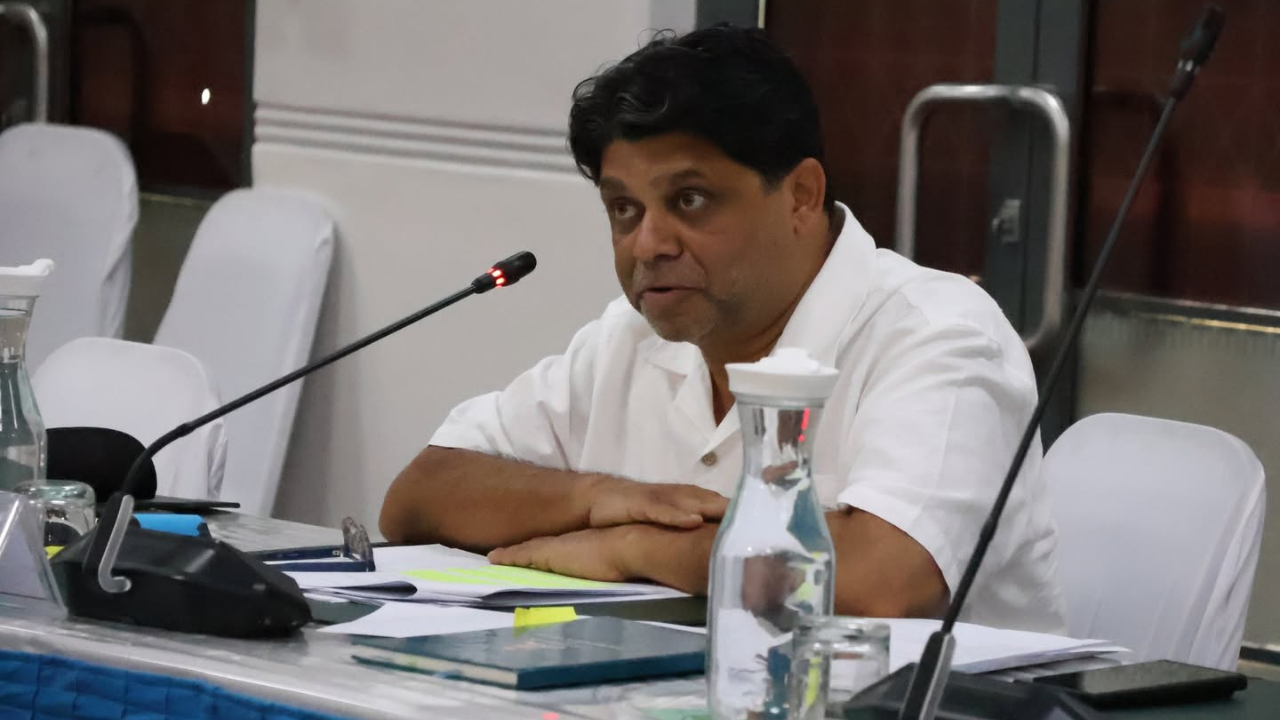
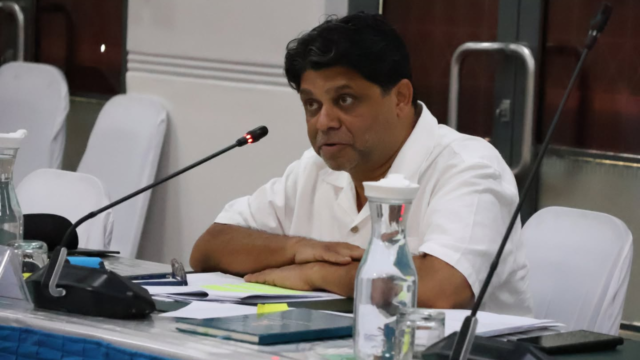
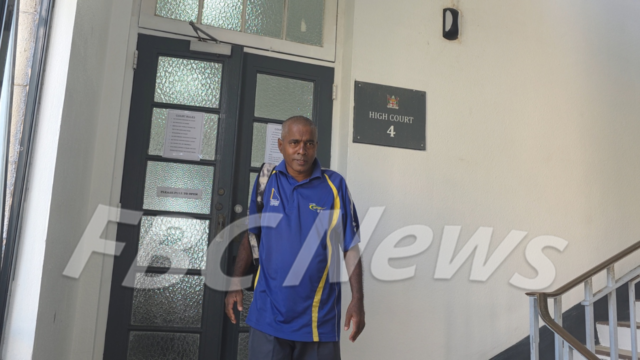
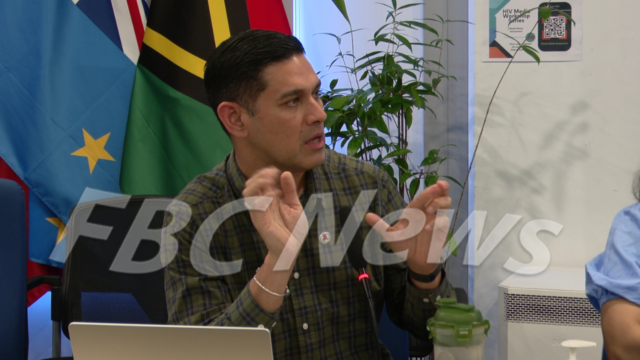
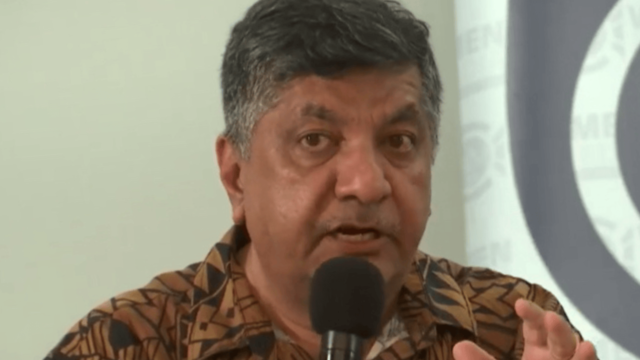
Former Attorney-General Aiyaz Sayed-Khaiyum. [Photo: FILE]
Former Attorney-General Aiyaz Sayed-Khaiyum has raised concerns about the proposed Referendum Bill, describing it as outdated and restrictive.
He said he was somewhat astounded by the quality of the draft.
He noted that parts of the bill appear to have been taken from another period in time.
He described several provisions as draconian. He also pointed to the absence of any reference to digital platforms, including social media. Instead, he said the bill refers to tools such as loudspeakers, which are rarely used today.
Sayed-Khaiyum also traced Fiji’s constitutional history.
“Unlike the current narrative that is currently being flaunted all over the media and amongst many politicians, the 2013 constitution was, in fact, the result of about seven years of consultations. And the reason why I say it was seven years of consultation.”
Sayed-Khaiyum said the country has never held a referendum. He noted the 1970 Constitution was negotiated in London without direct public input.
He said the 1990 Constitution was rushed and lacked proper consultation. He added it was widely seen as fundamentally flawed. The 1997 Constitution, he said, also did not involve a referendum.
He contrasted this with the process leading to the 2013 Constitution. He said it followed about seven years of consultations.
These included the People’s Charter, the National Council for Building a Better Fiji and the Yash Ghai Commission.
He noted there were 1,256 consultations at the village and settlement level. According to Sayed-Khaiyum, there were also more than 7,000 written submissions and over 100 public hearings.
He said this level of engagement led to the inclusion of referendum provisions. He added that constitutional changes should not be left only to politicians.
Sayed-Khaiyum said the purpose of a referendum is to reflect the will of the people. He stressed that public discussion and debate are essential. He said citizens must be free to understand and discuss proposed changes.
However, he argued the current bill undermines that purpose. He said it restricts public discussion and allows only those proposing the referendum to speak.
He pointed to provisions that could make it illegal for more than five people to gather to discuss the referendum.
The former AG said police could arrest people without a warrant and that this approach was contrary to democratic principles.
He also warned that the bill conflicts with constitutional rights. He also said that it breaches freedom of speech and expression.
He noted these rights include the ability to share information, express opinions and engage in public debate.
Sayed-Khaiyum said the bill contradicts these protections.