 Ritika Pratap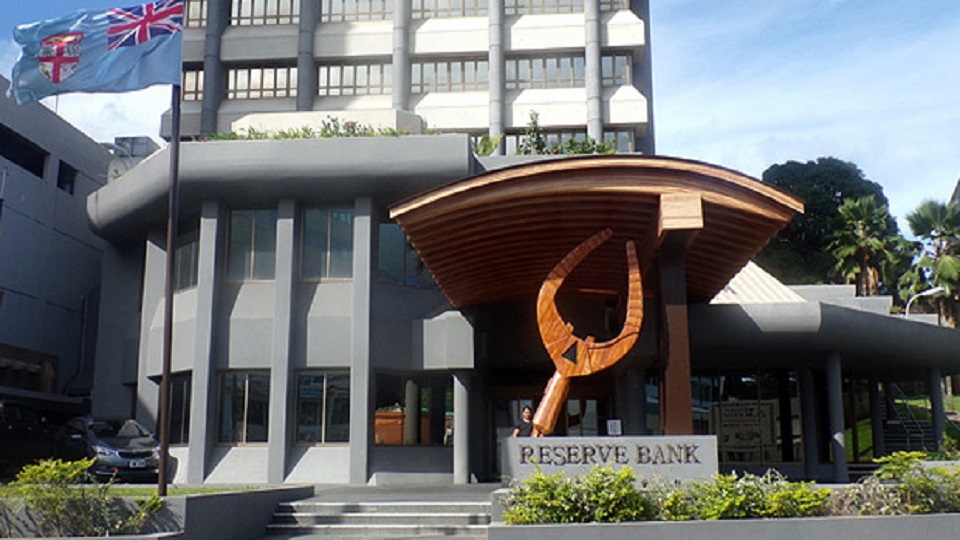
Fiji’s annual inflation remained low at the start of this year, but it rose to -0.5 percent last month from -2.5 percent in January.
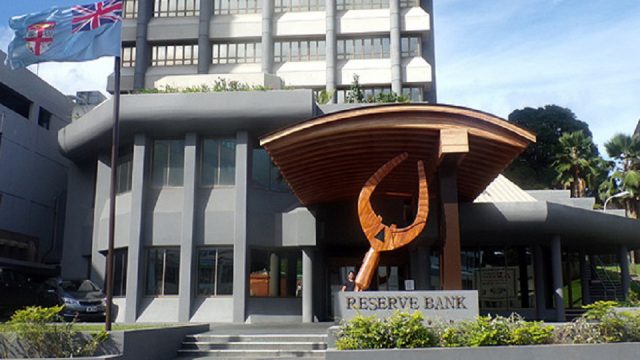
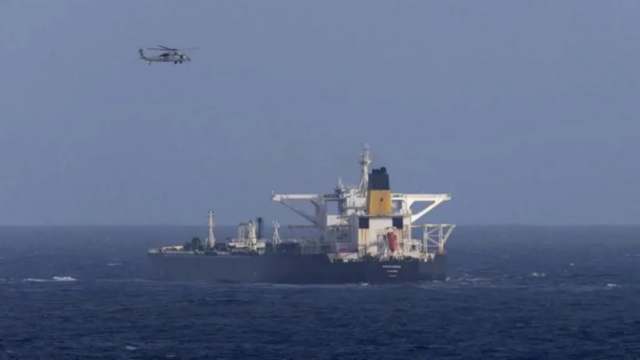
However, Reserve Bank of Fiji Governor Ariff Ali says, given the impact of the Middle East war on commodity prices, especially crude oil and gas prices, inflation is expected to rise sharply in the next few months.
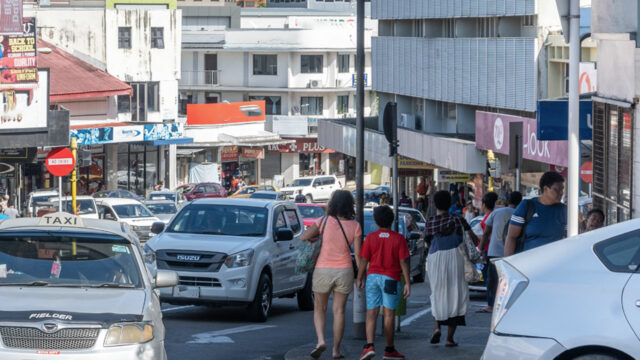
Ali says on inflation, fuel and gas account for 6.9 percent of the average household budget in Fiji, meaning roughly seven cents of every dollar spent by families goes directly to these items.
Therefore, he says higher global prices translate into higher transport and utility costs for families.
Ali adds that the broader impact is even larger, as fuel is a key input in transport, manufacturing, agriculture, and retail sectors, causing higher operating and freight costs for businesses that eventually pass through to consumers.
He states that Fiji experienced a similar pattern in 2022 when the global crude oil prices stayed above US$100 per barrel and annual headline inflation averaged 6.1 percent.
Before the recent volatility, he adds that end-of-the-year inflation was expected to be between 2.5 percent and three percent, but this outlook has now shifted upward.
The Governor states that higher input prices are likely to increase production costs and may also dampen domestic demand, which could weigh on Fiji’s overall economic activity in the near term.
In addition, he says ongoing volatility in global fuel prices and heightened geopolitical uncertainty may affect travel sentiment and airfare costs in the coming months, potentially moderating the pace of visitor arrivals if conditions persist.
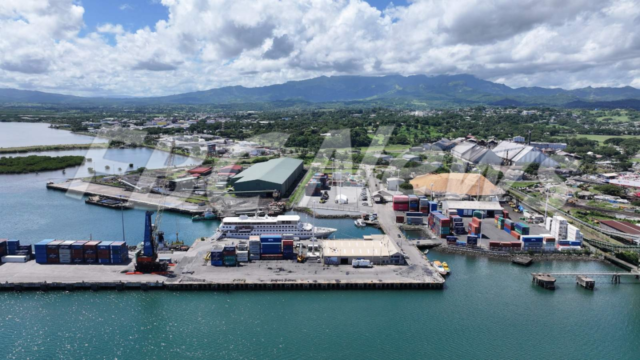
For foreign reserves, Fiji carries a large fuel import bill, accounting for close to a quarter of total imports, and most of this is retained for domestic use.
Ali adds that a prolonged period of higher global oil prices and continued geopolitical tensions would increase the petroleum import and freight bill, widen the trade deficit, and place pressure on foreign reserves.
At the same time as the economy adjusts to higher prices, demand is expected to soften, partly offsetting the downward pressure on reserves.
Ali says Fiji enters this period from a position of relative strength with reserves providing an adequate buffer against external shocks.
The RBF will continue to assess these developments and will take the necessary actions, if required, to safeguard macroeconomic stability, consistent with its mandates.