 Riya Mala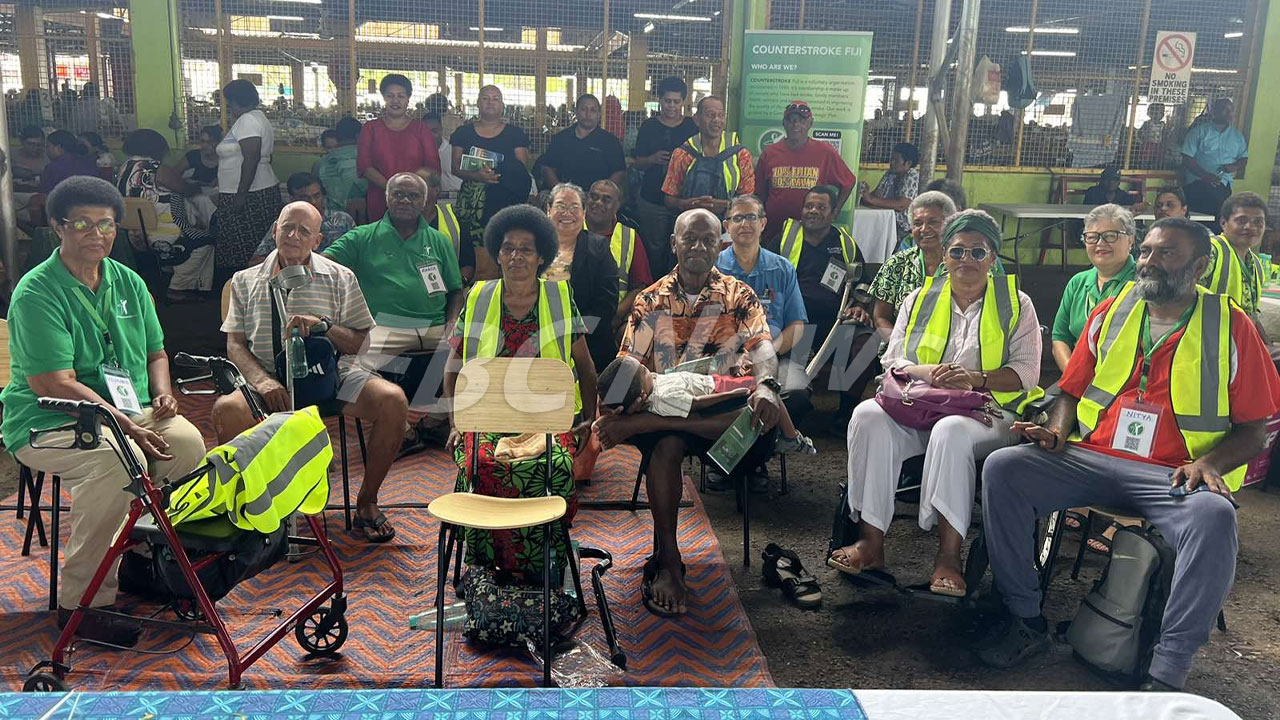
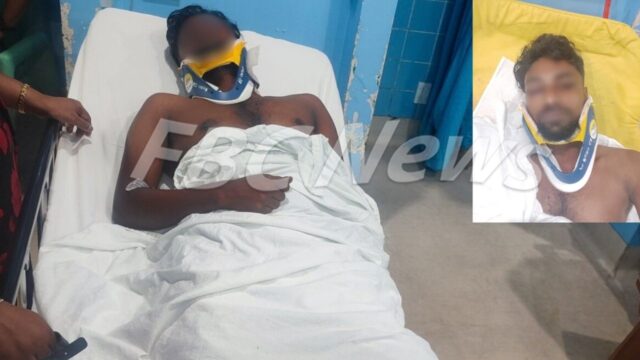
Transient ischemic strokes and hemorrhagic strokes are among the most common types of stroke in Fiji.
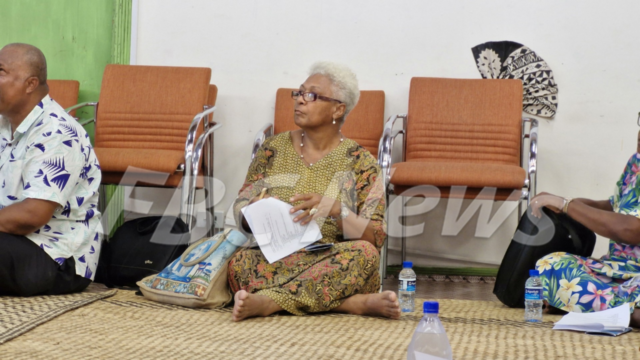
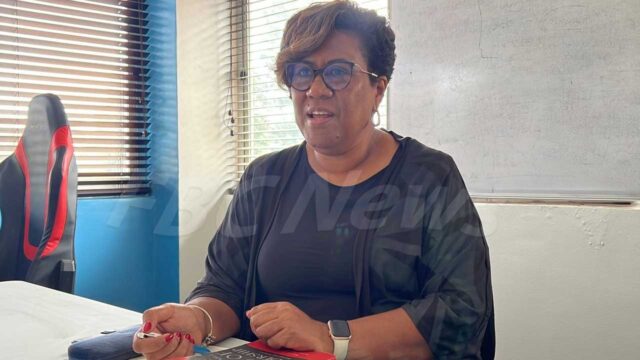
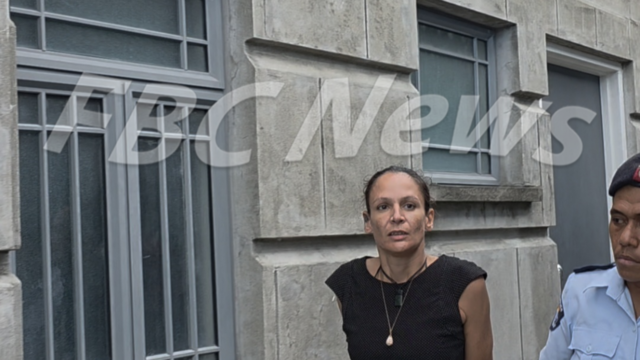
Counterstroke Fiji President Elizabeth Fong explains that there are two main types of stroke: one caused by a blockage in the blood vessels and the other by a burst blood vessel.
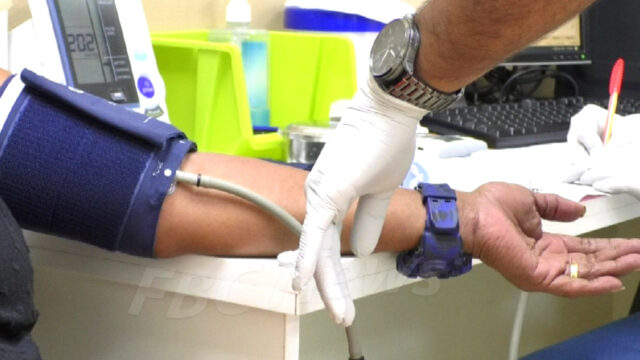
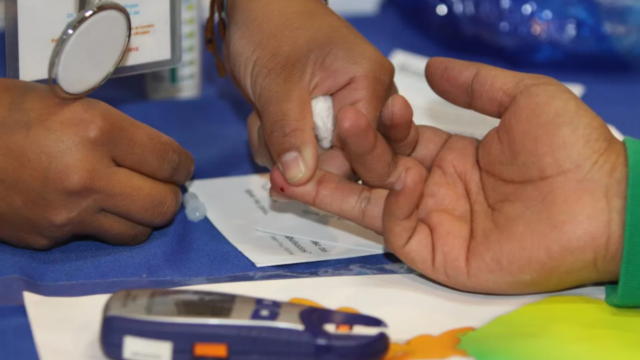
She notes that both types are occurring in Fiji and are often influenced by lifestyle factors such as poor diet, lack of physical activity, smoking, and unmanaged health conditions including high blood pressure, diabetes, and stress.
Counterstroke Fiji says stroke, the third leading cause of death in the country, affects people of all ages and remains a growing national health concern.
“Now these two generations are younger because the environment they grow up in is quite different. The way they eat is different from how we ate, and their lifestyles are different. So it is very much a lifestyle issue.”
Fong says strokes can be prevented through awareness, early detection, and healthy lifestyle choices, but many people of all ages in Fiji continue to be affected, causing serious impacts on families.
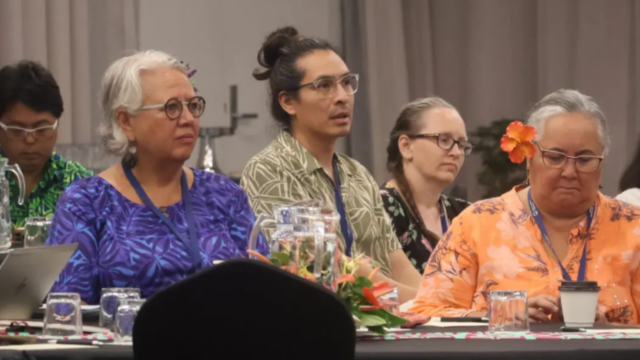
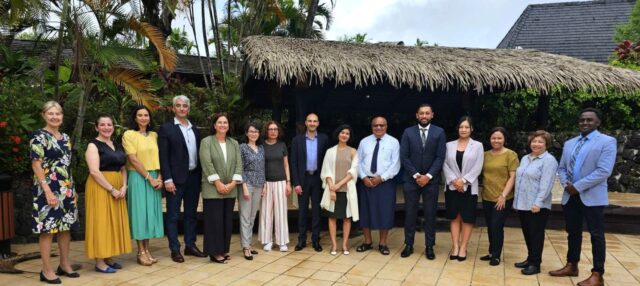
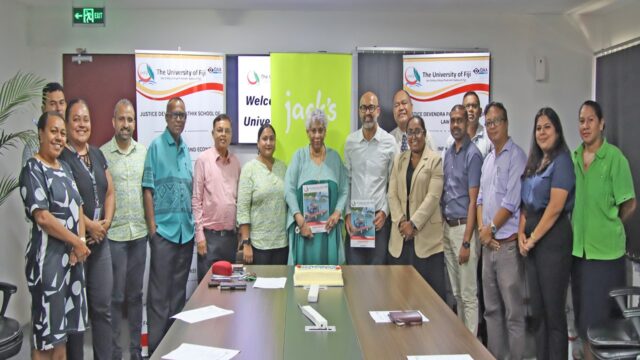
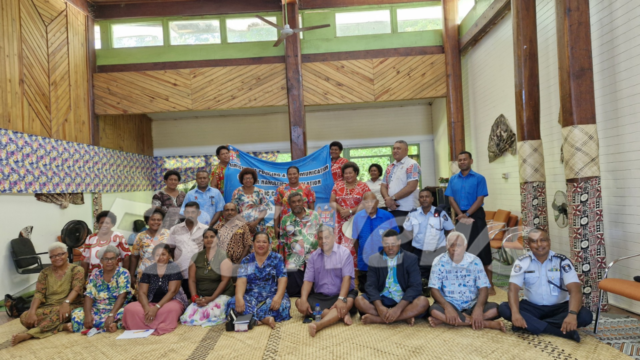
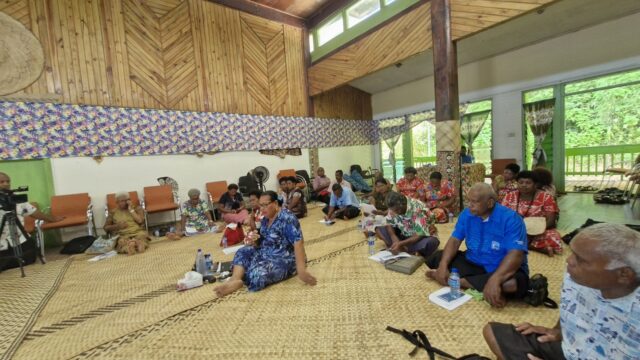
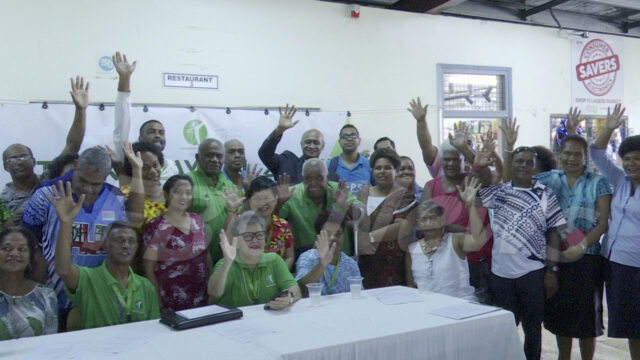
NGO Coalition Chair Margaret Reid-Rounds urges people to adopt healthy lifestyles and says the coalition plays a key role in sharing information that benefits the wider community.
“Counterstroke Fiji became involved because we feel strongly that we all need to work together. The Fiji Wellness Coalition logo represents holding hands and reaching out into the community. We must continue to work together.”
Counterstroke Fiji says it will continue to educate the public, conduct outreach programmes, and support stroke survivors, with the aim of reducing the impact of stroke and promoting healthier living nationwide
Stream the best of Fiji on VITI+. Anytime. Anywhere.