 Litia Cava
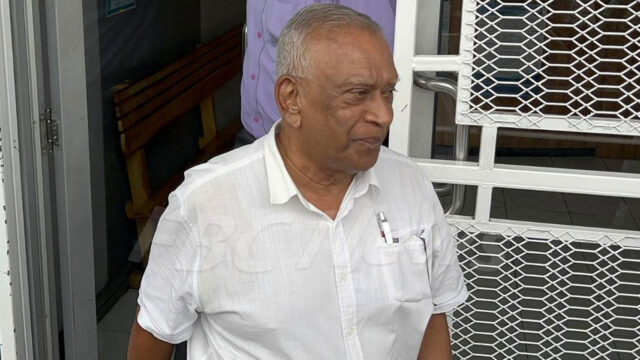
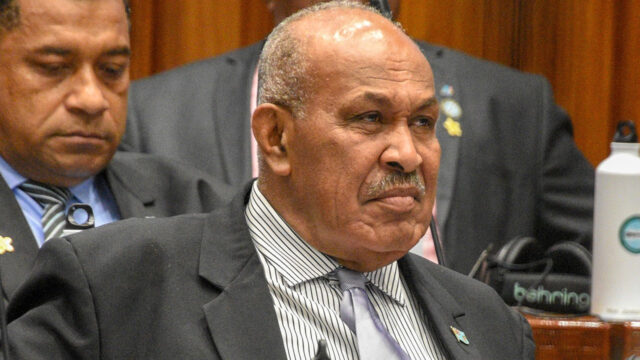
[Photo: FILE]
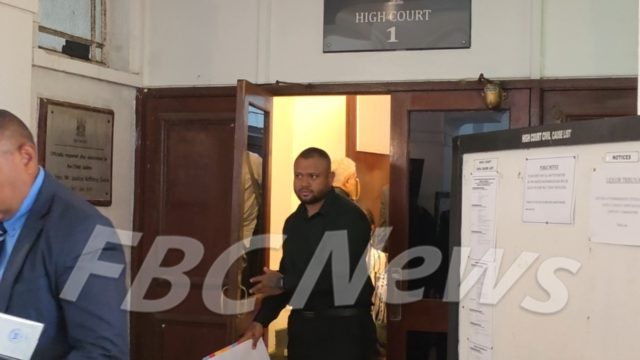
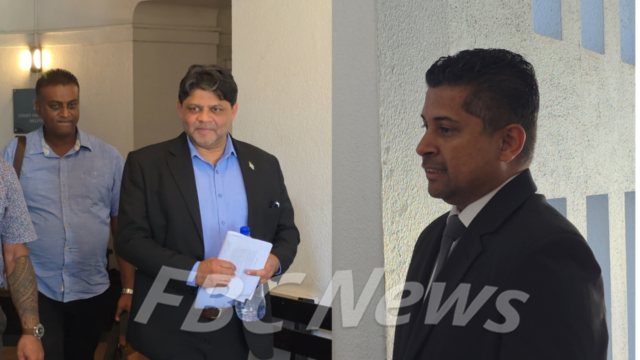
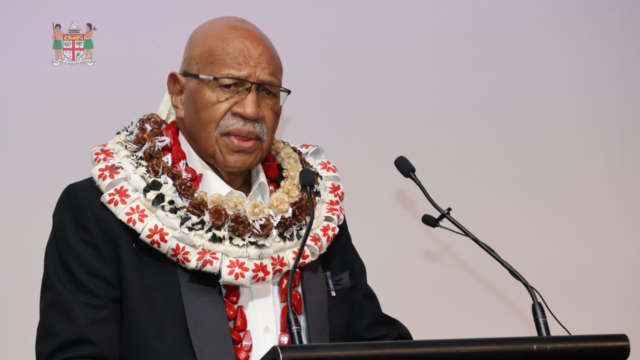
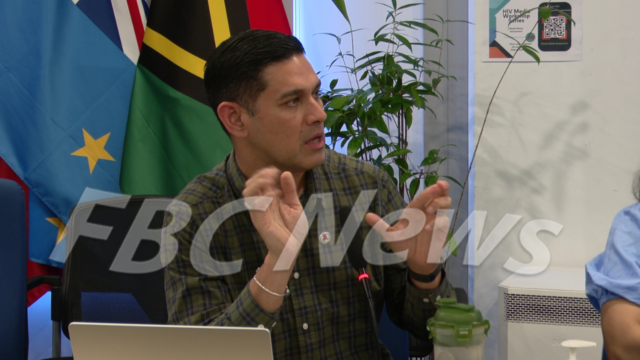
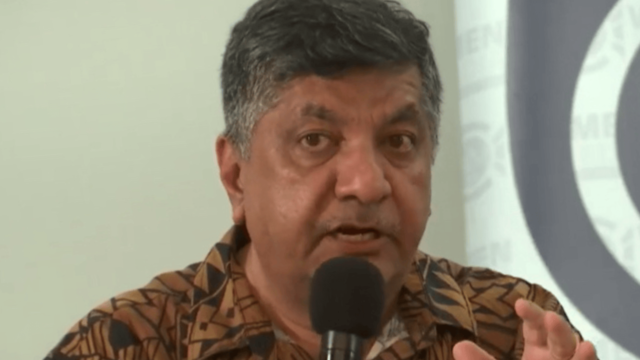
Former Attorney-General Aiyaz Sayed-Khaiyum has raised serious concerns about the proposed Referendum Bill.
He warned that it could prevent ordinary Fijians from discussing key issues freely.
Sayed-Khaiyum said past constitutional consultations show why public debate is crucial. He recalled proposals such as same-sex marriage, which were overwhelmingly rejected by Fijians during public consultations.
People spoke passionately and made their views clear. He said this demonstrates the need for open discussion before any referendum.
He argued that citizens must have the freedom to exchange ideas, challenge opinions and even change their minds. Sayed-Khaiyum said this was essential for informed decision-making in a referendum.
“Again, it affects freedom of expression where you cannot, for example, put out any messages or in writing, et cetera.You must not visit a voter at his or her place or home or place of work for any purpose in connection with the referendum. All of us, all of your politicians, you’ve all been to various work sites, job sites, people’s homes campaigning. If somebody’s put up a referendum that you strongly believe people should support, so for example, if you really believe that voting age should be 21, then you’ll go out and give your reasons why.”
Responding to Opposition MP Jone Usamate, Sayed-Khaiyum said while some regulation may be necessary, it must not restrict debate.
He pointed out that in past elections, politicians faced false claims. Yet no restrictions stopped them from responding. He said politicians had to counter misinformation directly, which is a natural part of political discourse.
He noted that the Constitution already limits speech, including laws against hate speech. He said these protections are sufficient and should apply to referendums.
He added that the law should leave room for open debate. Sayed-Khaiyum criticised sections of the bill that restrict campaigning.
He said it prevents people from visiting homes, workplaces, or communities to discuss referendum issues. He warned that such rules could stop people from explaining proposals to family or others who may not understand them.
He highlighted Section 23, which makes it illegal to persuade others how to vote. He said this was too broad and unrealistic.
He also flagged Section 22, which bans creating or distributing materials such as posters, symbols or publications. He said this blocks public awareness and campaigning.
Sayed-Khaiyum said other sections impose heavy penalties. Even minor involvement in a referendum could lead to fines, imprisonment or disqualification from future elections.
He called this excessive and potentially damaging to democratic participation.
He criticised provisions on loudspeakers and public announcements. He said these rules are outdated and resemble laws from another era.
He added that the bill ignores modern communication platforms like social media.
Sayed-Khaiyum also questioned the explanatory notes in the bill. He said they do not clarify the reasons behind the restrictions.
He urged lawmakers to provide clear justification for each provision.The former AG also pointed out that while some rules are necessary, the current framework risks silencing the public.
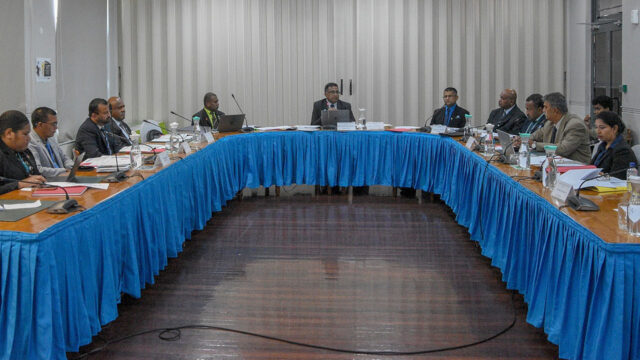
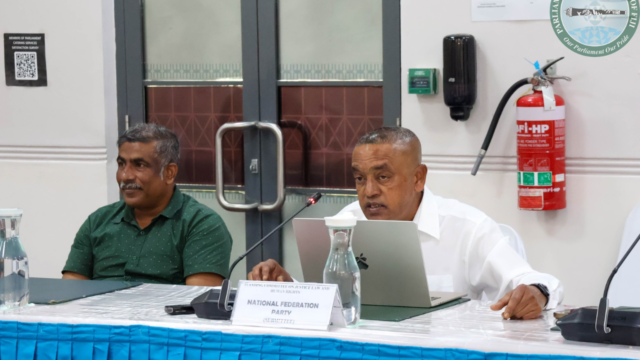
Sayed-Khaiyum warned that without open debate, a referendum cannot truly reflect the will of Fijians. He highlighted this while appearing before the Parliamentary Standing Committee on Justice, Law and Human Rights today.