 Praneeta Prakash
[File Photo]
A new national study has found significant differences in drowning rates between ethnic groups in Fiji, with Indigenous iTaukei people particularly males and young children facing the highest risk.
The research, published in BMJ Public Health, analyzed unintentional drowning deaths across Fiji between 2016 and 2022 using data from the Ministry of Health and the Fiji Police Force.
The study reported that about 6 people out of every 100,000 in Fiji died from drowning between 2016 and 2022.
Males were far more affected than females, with a much higher death rate.
Among ethnic groups, iTaukei males recorded the highest drowning rate almost double that of Fijian males of Indian descent.
A similar pattern was seen among females, though at lower rates.
Children under five years old in the iTaukei population were identified as the most vulnerable group.
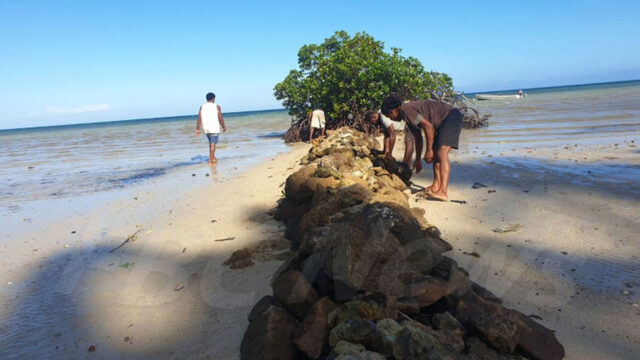
Rivers were the most common location for drowning incidents, accounting for over 60 percent of cases, followed by the ocean.
More deaths occurred during the wet season which is November to April, when heavy rains and flooding are more common.
Certain provinces, including Kadavu and Ra, recorded the highest drowning rates.
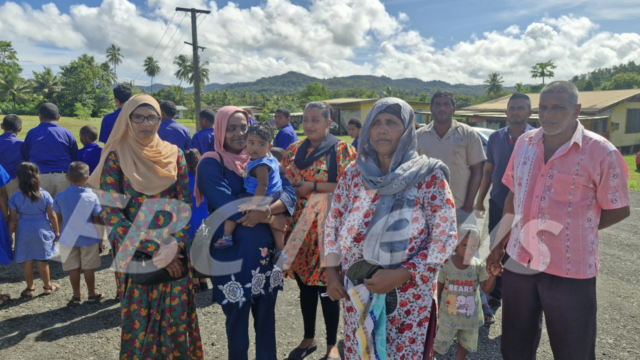
Researchers suggest that higher drowning rates among iTaukei communities may be linked to greater exposure to water.
They say many iTaukei villages are located along coastlines, rivers, and remote islands, where daily activities such as fishing, transport, and water collection increase contact with natural water bodies.
In contrast, Fijians of Indian descent are more likely to live in urban or inland areas, reducing their exposure to such risks.
The study also identified major weaknesses in Fiji’s death reporting systems as initially, all drowning deaths were recorded under a vague classification, limiting understanding of the causes and circumstances.
Researchers had to manually review and correct records to produce accurate findings.
The authors are calling for improved data collection systems and better training for medical professionals in recording causes of death.
They also recommend targeted, culturally appropriate drowning prevention strategies—particularly for high-risk groups such as iTaukei communities, men, and young children.
Suggested measures include safer river crossings, community education, and the development of a national water safety plan.