 Ritika Pratap
The IMF forecasts Fiji’s economy will grow by approximately 2.5% this year, a slower pace than in recent years.
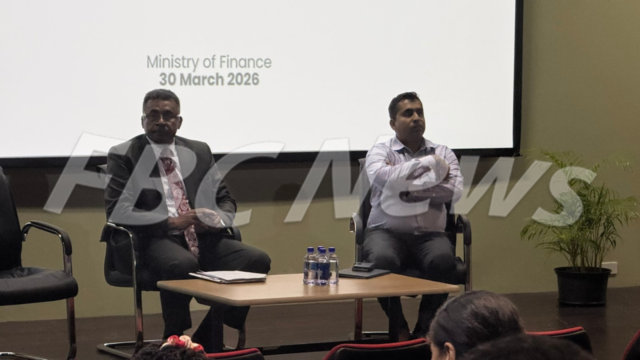
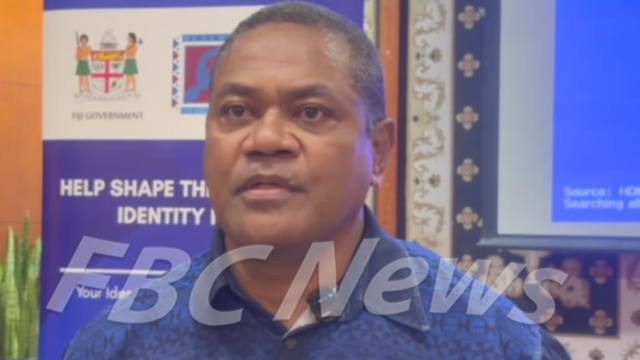
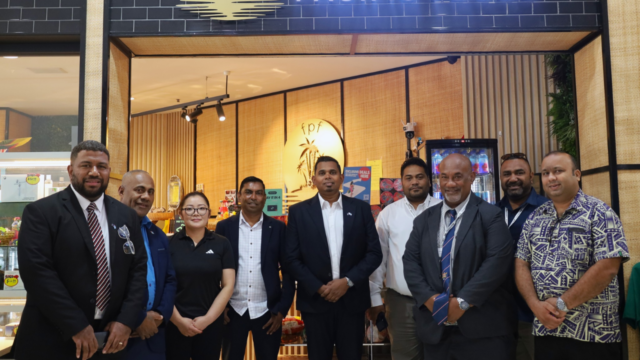
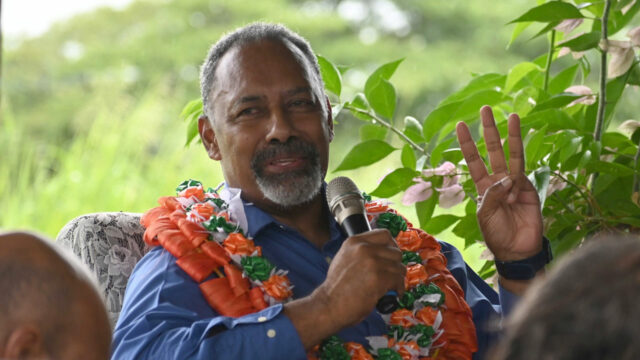
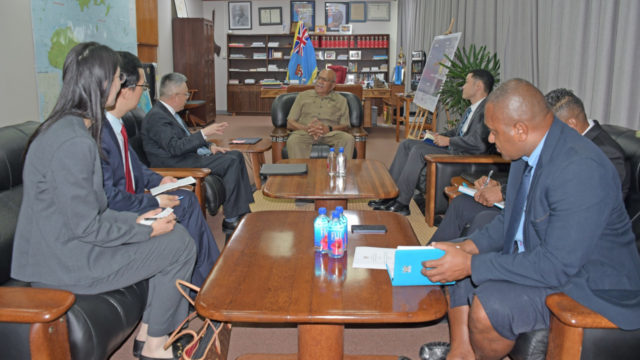
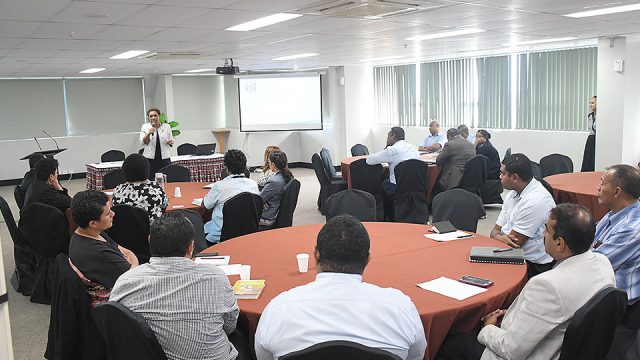
An IMF team, led by Alasdair Scott, held discussions with stakeholders in Nadi and Suva from March 16th to 27th to assess the outlook.
Scott says while economic activity remained resilient in 2025 due to tourism and remittances, momentum has eased in early 2026, with tourism appearing softer.
He adds that rising global oil prices are also weighing on the outlook and could drive inflation toward 2.25%.
The IMF warns that risks are tilted to the downside, primarily due to fiscal financing pressures that could raise borrowing costs and constrain spending.
“The budget passed last year leaves the government with very little room to handle unexpected needs for extra spending. While the economy now faces higher fuel prices, in the future it could also face natural disasters or new global shocks. The challenge for fiscal policy is therefore to rebuild fiscal buffers with growth-friendly reductions in deficits, while managing higher costs of living.”
He recommends a reform package that includes restoring the VAT rate to its previous level and rationalizing expenditure.
“To support those most vulnerable to fuel price increases, targeted social assistance is the best option. Untargeted subsidies or price caps would be very expensive for the government and would provide less help to the most vulnerable.”
The team also highlights that while the banking system remains sound, credit growth in housing and unsecured lending should be monitored closely.
Regarding long-term growth, Scott says that while the National Development Plan 2025–29 focuses on the right areas, implementation has lagged.
He emphasizes that achieving durable growth will require clearer prioritization and scaling up investment in climate-resilient infrastructure.