 Riya Bhagwan
Tourism leaders are calling for stronger collaboration and strategic direction to ensure the Pacific tourism sector remains resilient, competitive, and rooted in its unique identity.
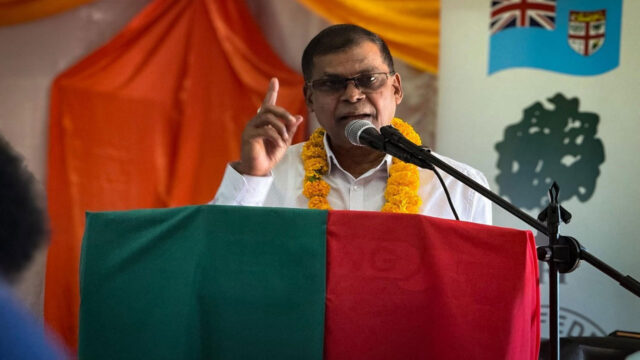
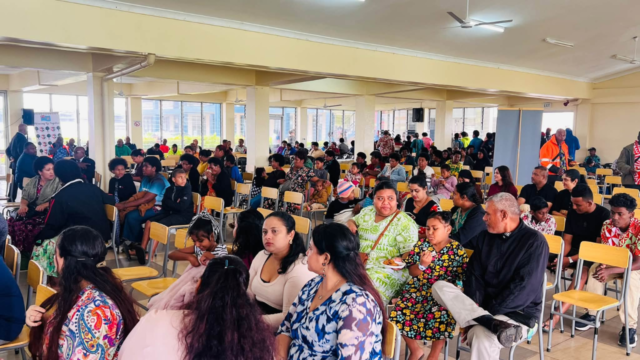
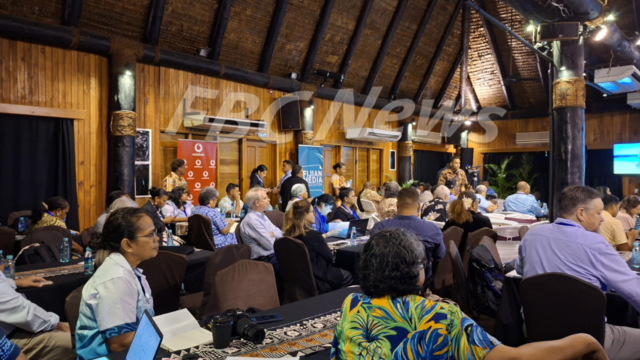
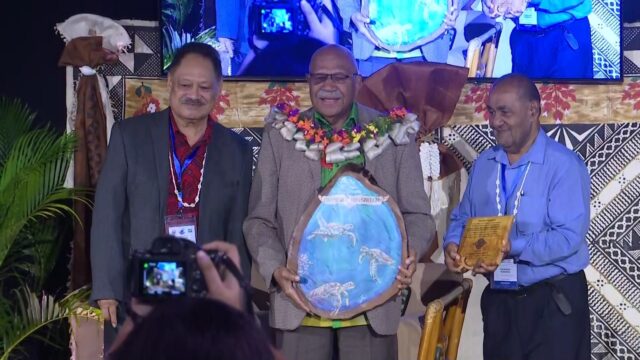
Speaking during the opening of the South Pacific Tourism Exchange in Nadi, Pacific Asia Travel Association Chairman Peter Semone highlighted that tourism remains a critical pillar for many Pacific Island economies.
He revealed that for two-thirds of Pacific Small Island Developing States, tourism contributes more than 20 percent of Gross Domestic Product.
Semone stressed that while many destinations offer “sun, sea, and sand,” the Pacific’s strength lies in its authenticity, describing it as offering “sun, sea, sand, and soul.”
He added that the region must move towards “meaningful tourism,” where success is measured not only by visitor numbers but also by the wellbeing of communities and the preservation of culture.
“We need a one-team approach that is collaborative, not adversarial, not competitive. We need to work together by maintaining SP TO’s independent status as a standalone agency, you preserve the agility needed to work directly with the private sector, the hotels, dive shops, and local operators. We must remove barriers that don’t belong, rather than creating new layers of political bureaucracy.”
Meanwhile, SPTO Chief Executive Chris Cocker encouraged stakeholders to build long-term partnerships and turn discussions into tangible outcomes, noting that the sector’s continued success will depend on collaboration, connectivity, and preserving the Pacific’s unique identity.
He pointed to the strong global interest in the region, with over 2,600 pre-scheduled meetings taking place at this year’s South Pacific Tourism Exchange.
The event has brought together 157 organisations, including 82 sellers and 60 buyers, from 30 countries, with representation from 17 Pacific nations and 16 key source markets.