 Mosese Raqio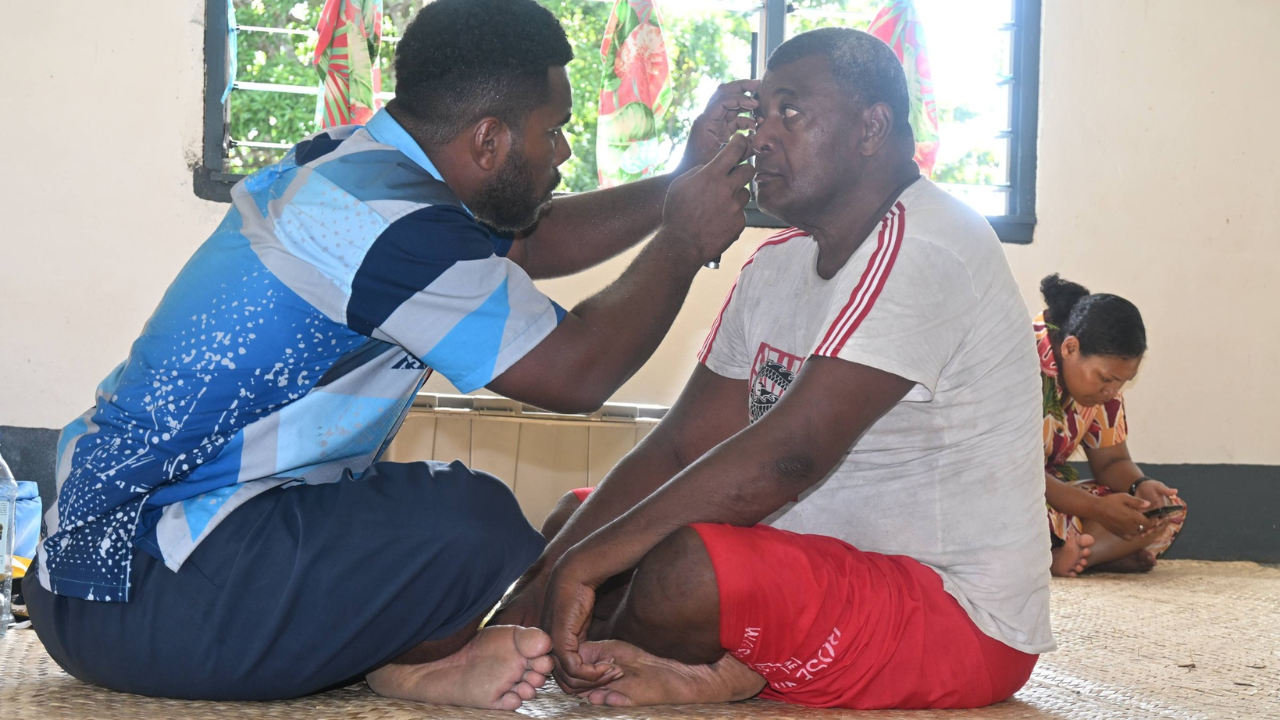
Health officials are warning Fijians living in coastal and maritime communities to take urgent steps to protect their eyesight, as two preventable conditions continue to threaten vision.
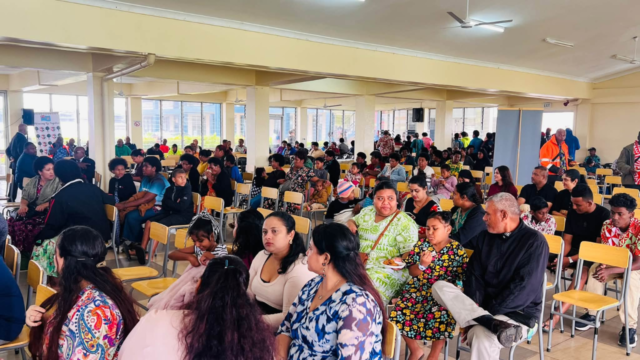
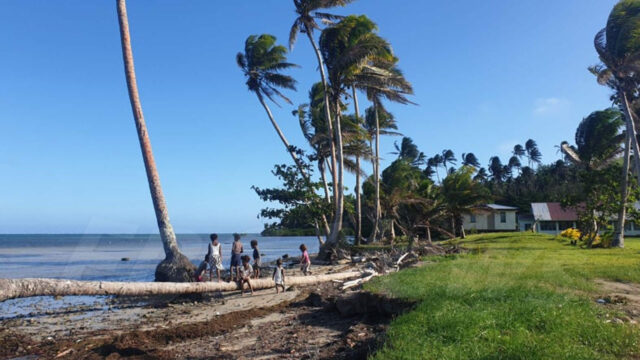
Following a medical outreach to Matuku, Totoya and Moala this week, Project H.E.A.V.E.N’s Kali Vakaloloma says pterygium and trachoma remain key concerns, particularly for those exposed to harsh environmental conditions.
Vakaloloma says pterygium, commonly known as “surfer’s eye”, is being seen in both adults and children who spend long hours under the sun.
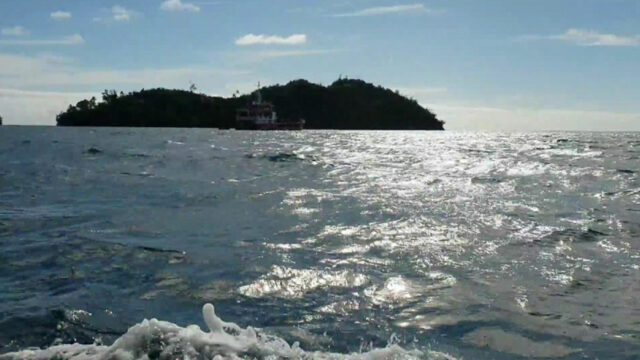
He explains that the condition is caused by prolonged exposure to ultraviolet rays reflected off the ocean, placing fishermen, seaweed farmers and reef workers at high risk.
If left untreated, the growth can spread over the cornea and lead to permanent vision loss.
Vakaloloma also highlighted trachoma as a concern in some remote communities where access to clean water is limited.
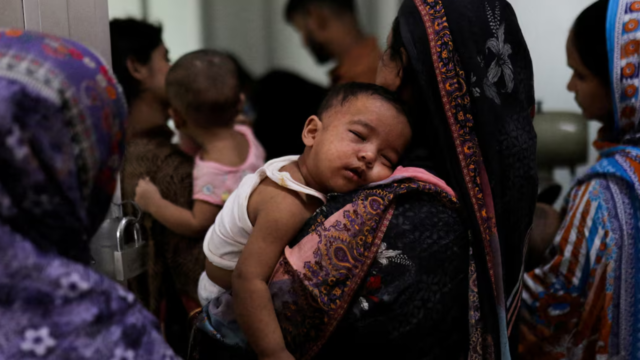
He says the bacterial infection spreads through poor hygiene, flies and close contact, and repeated infections can cause the eyelids to turn inward.
This results in eyelashes scraping the eye, leading to severe pain and eventual blindness if not treated.
Health officials are urging the public to maintain proper hygiene, including regular face washing with clean water, to reduce infection risks.
Those working at sea are strongly advised to wear sunglasses with full UV protection or use wide-brimmed hats to limit sun exposure.
Vakaloloma says simple preventative measures can make a critical difference.
He stresses that protecting eye health is vital, especially for fishermen who face constant exposure to the sun’s glare.
Regular eye checks at health centres are also being encouraged, as early treatment can prevent long-term damage.
The outreach team from the Ministry of Health and Medical Services is currently visiting islands in the Southern Lau Group.