 Riya Mala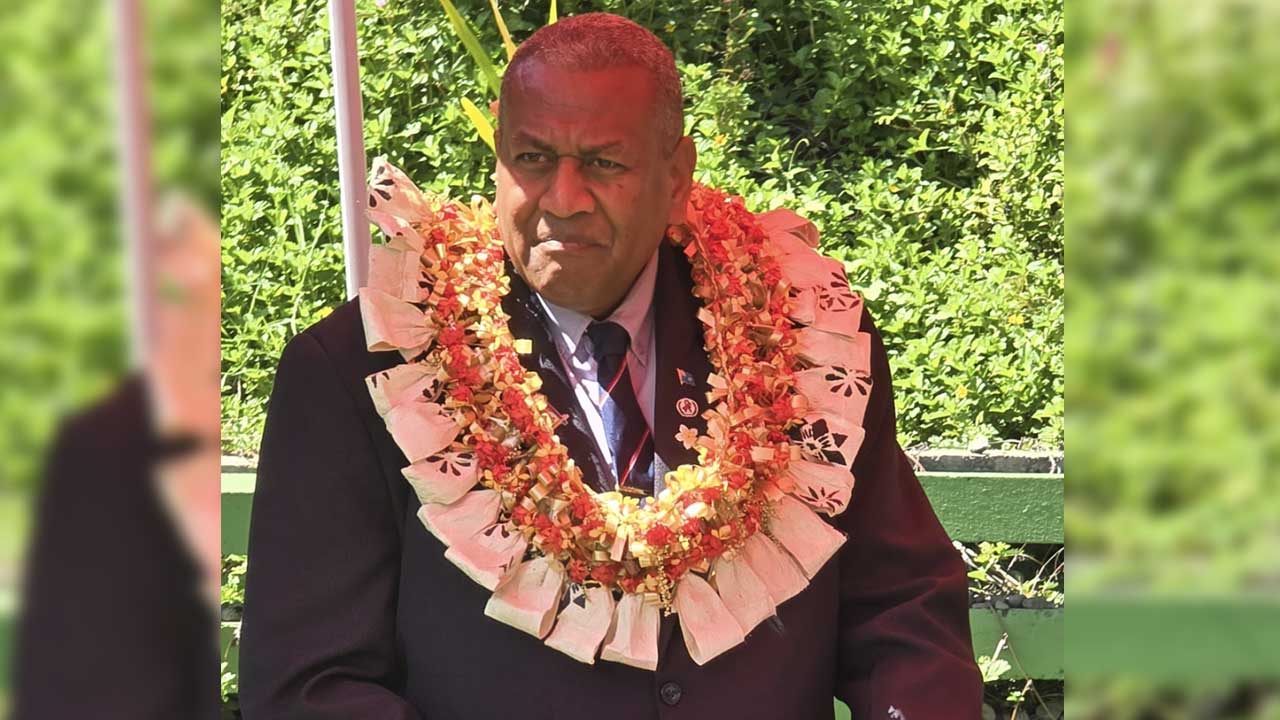
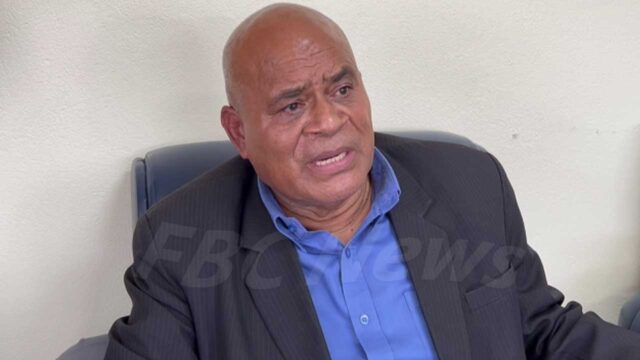
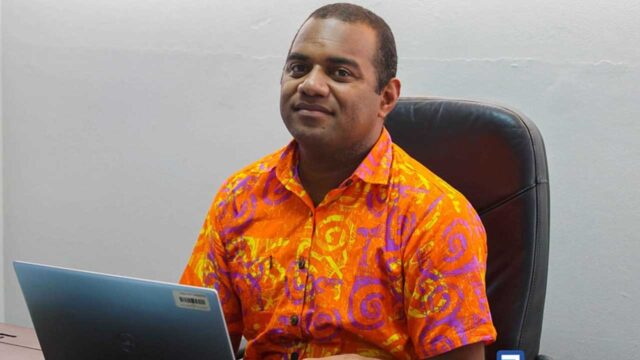
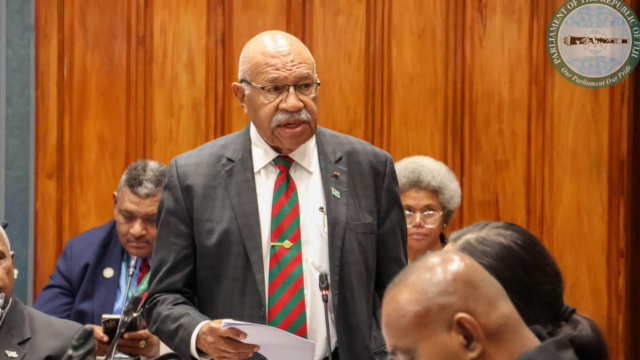
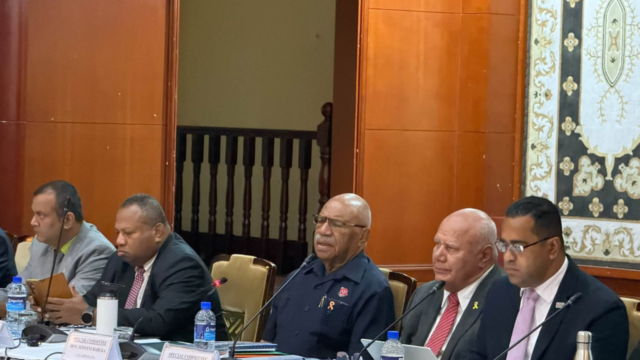
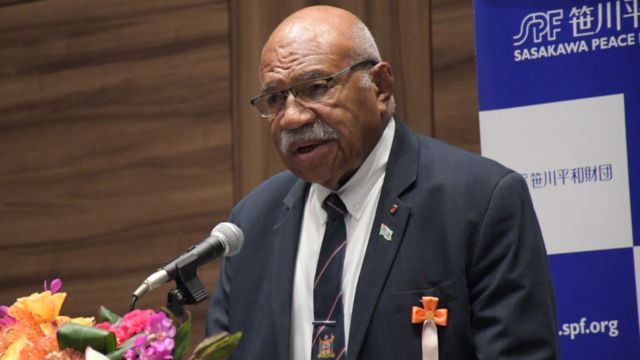
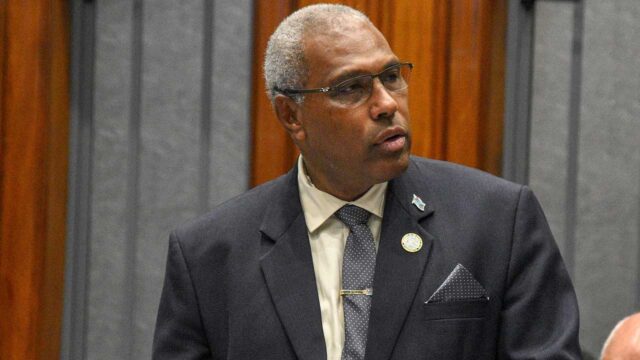
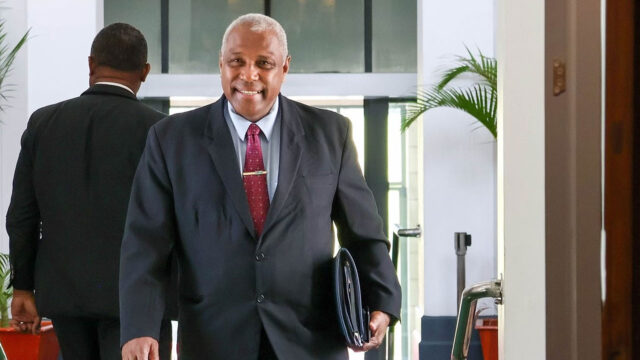
Assistant Minister for Health and Standing Committee on Foreign Affairs and Defence member, Penioni Ravunawa. [Photo: FILE]
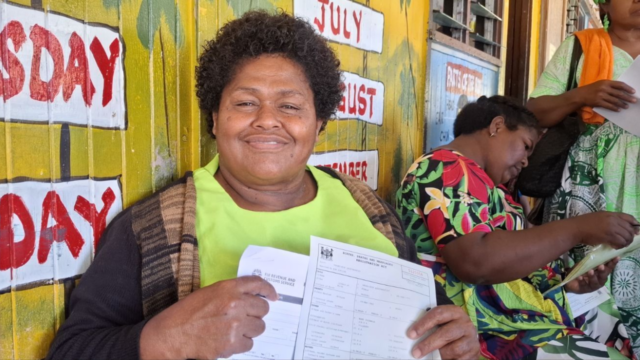
Senior civil servants are raising concerns over salary disparities that have left them frustrated and undervalued, even as new recruits often earn more.
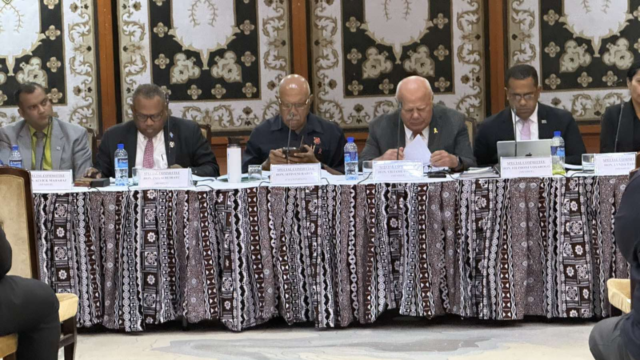
Assistant Minister for Health and Standing Committee on Foreign Affairs and Defence member, Penioni Ravunawa, highlighted the issue during the Ministry of Civil Service’s presentation of its 2022–2023 annual report.
He pointed out that after the 2018 job evaluation exercise, existing civil servants were placed on Step 1 of their salary bands, while new recruits, mainly recent graduates, were sometimes placed on Step 2 or Step 3 based on interview weighting and ratings.
Ravunawa stressed that this has caused widespread frustration, with many senior officers feeling undervalued and demotivated, raising questions about fairness and morale in the civil service.
“Just for the information of the committee, there is a lot of discomfort, pain, and frustration for senior civil servants who are still sitting on Step 1 of their salary bands, while junior officers, mostly new graduates and recruits, are placed on Step 2 or even Step 3 in some instances. Senior civil servants continue to supervise them, yet the new graduates are earning more than the senior officers.”
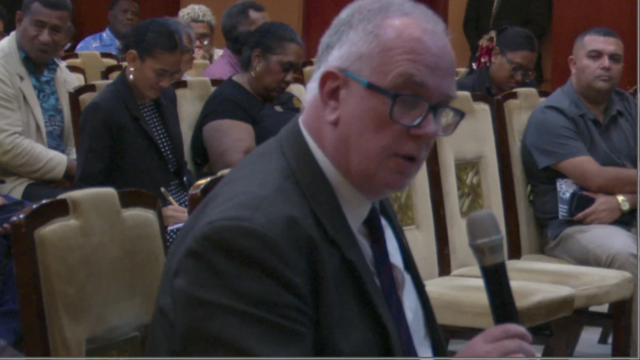
In response, Permanent Secretary for the Ministry of Civil Service, Pita Tagicakirewa, says the concern about senior civil servants remaining on Step 1 depends on decisions made within individual ministries.
He explains that after positions are evaluated, it is up to the respective Permanent Secretaries to determine whether officers move up or remain on the same band.
These recommendations are then submitted to the Ministry of Civil Service, where a central committee reviews and considers any changes.
Ravunawa also raised concerns about the Open Merit Recruitment and Selection policy, the absence of performance assessments, and the lack of cost-of-living adjustments.
In response, Tagicakirewa said a salary adjustment of three to seven percent was announced in the 2023–2024 budget.
He adds that while salary band and step movements are currently on hold, other components of the performance management framework are still being implemented across the civil service.
The situation highlights growing calls for the government to address salary inequities, improve performance evaluation systems, and ensure fair compensation for long-serving civil servants.