 Litia Cava
The Education Commission has called for stronger safeguards in the Education Bill to address sexual misconduct allegations involving teachers.
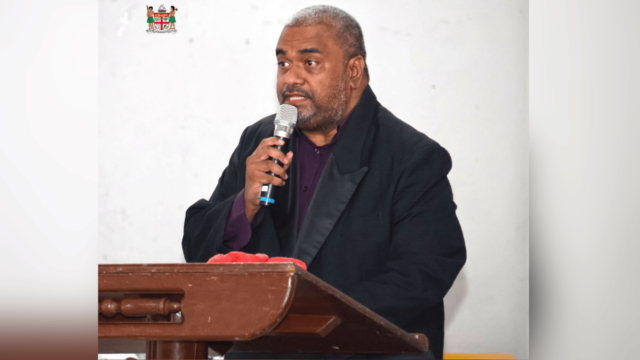
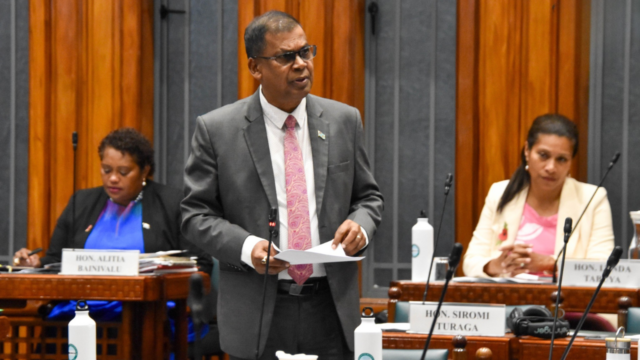
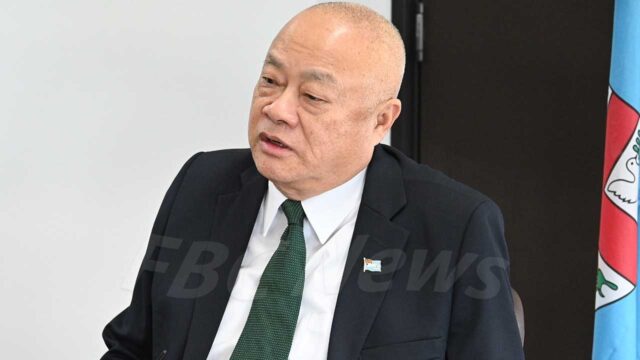
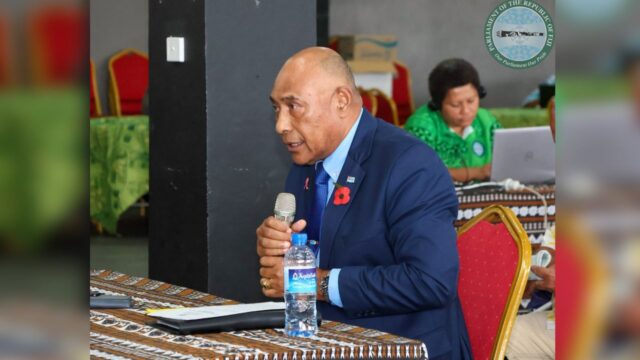
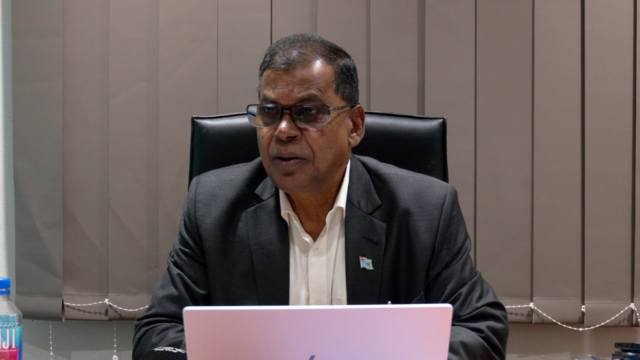
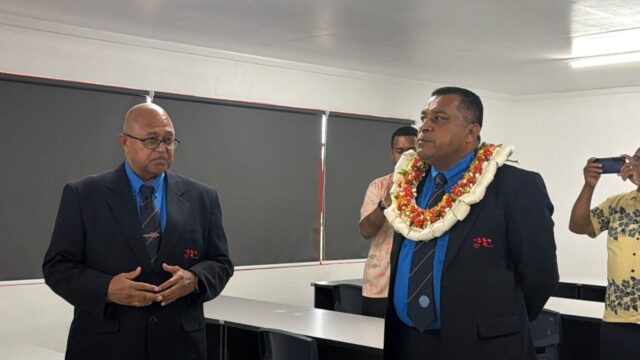
Commission Chair Vijay Naidu said such allegations should be treated as a police matter as well as a disciplinary issue under the Fiji Teachers Registration Authority.
He recommended increasing fines from $1,000 to $5,000 for a first offence and $10,000 for subsequent offences. This, he states signals zero tolerance for such conduct.
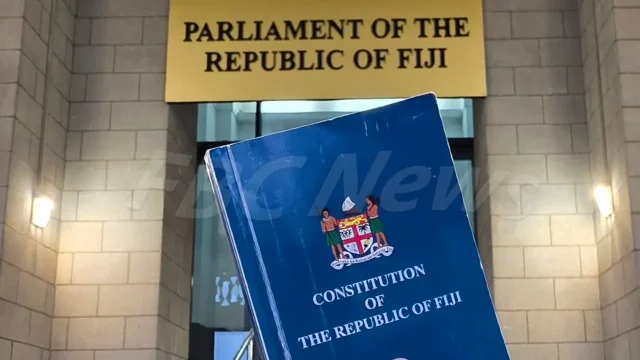
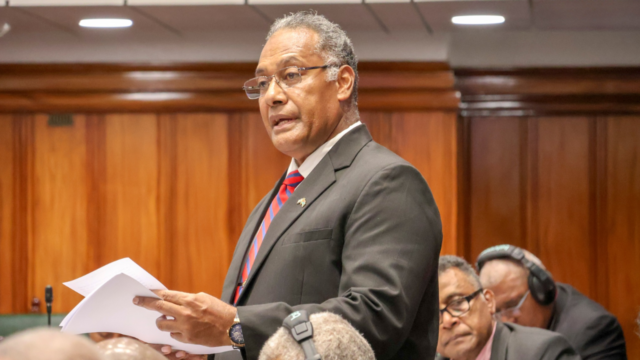
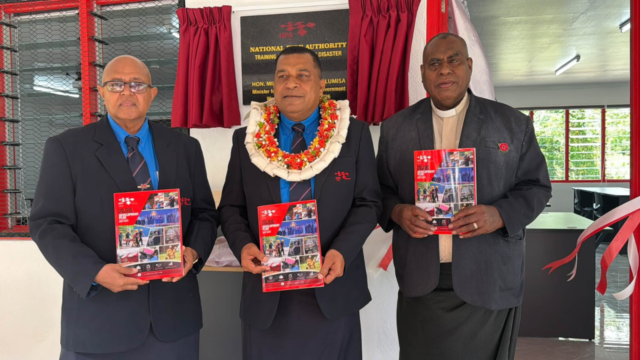
Naidu pointed this out when the Commission presented its findings regarding the proposed Education Bill to the Parliamentary Standing Committee on Justice, Law and Human Rights.
“So our recommendation is that we should strengthen clause 172, require that any allegation of sexual misconduct involving a student be referred to the police force as well as the FTRA board. And increase the fine to at least $5,000 first offence and $10,000 for subsequent offence, signaling zero tolerance for this kind of conduct.”
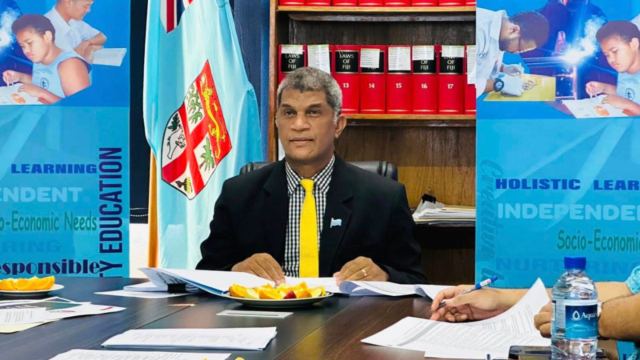
Standing Committee Member Faiyaz Koya cautioned that allegations must be carefully worded.
He noted that anyone can make a claim and that teachers are innocent until proven guilty.
Naidu agreed, adding that teachers could be placed on leave while matters are investigated and reported to police.
Clause 172 of the proposed Education Bill states that if a sexual allegation involves a student and a teacher, and the teacher is dismissed or resigns because of it, the employing authority must notify the Board within seven days.
The notice must include the employing authority’s name, the school’s name if different, the teacher’s name, the date of notification and the effective date of dismissal or resignation, details of the sexual allegation and the reasons for dismissal or resignation.
Failure to notify the Board is an offence, with a fine of up to $1,000 for a first offence and up to $5,000 for a second or subsequent offence.
The commission also proposed a mandatory review of the education system every 10 years.
This review, according to Naidu should be overseen by an independent education body.
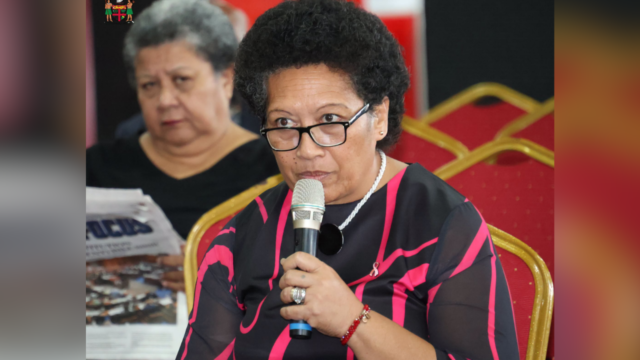
Education Commission Commissioner Arvind Maharaj highlighted gaps in the bill. He noted that the Substance Abuse Advisory Council Act 1998 and the Tertiary Scholarships and Loans Service Act 2014 are not referenced.
He recommended integrating these bodies or formally acknowledging their functions. This would cover student welfare and higher education funding.
Maharaj also suggested including both bodies in consultation requirements alongside existing statutory bodies, such as the Fiji Teachers Registration Authority and the Higher Education Commission of Fiji.