 Litia Cava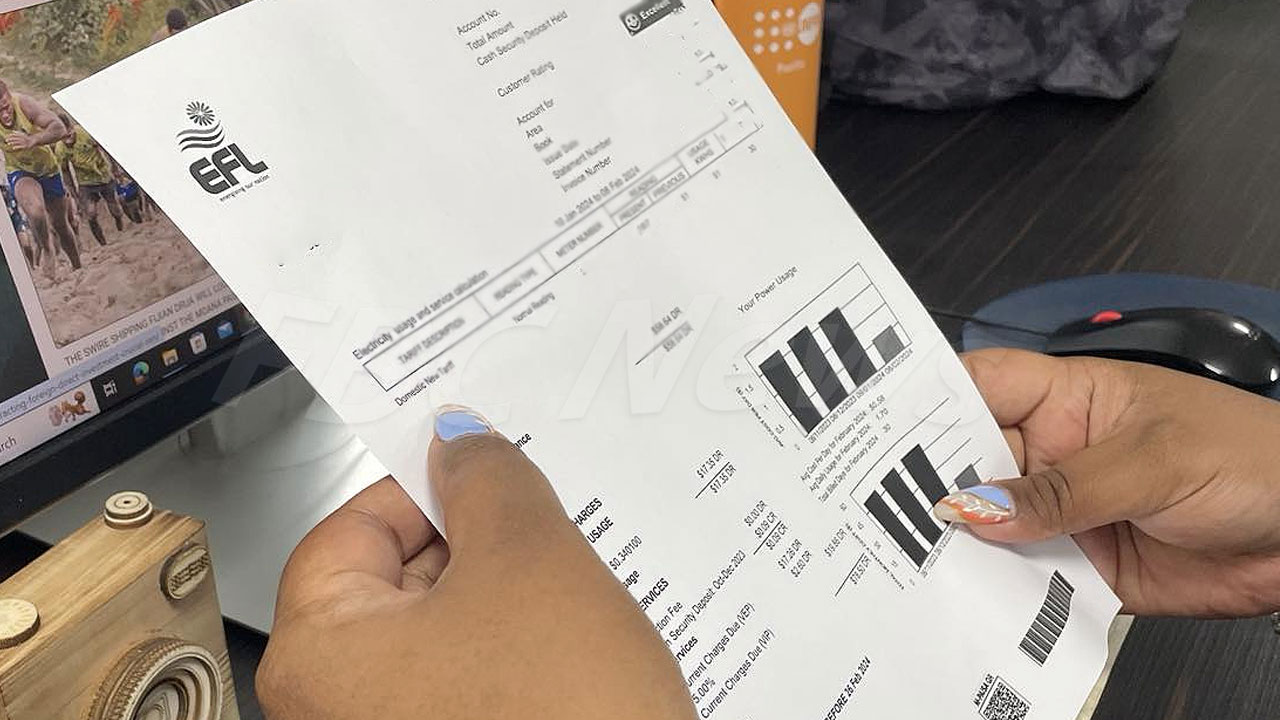
Energy Fiji Limited has outlined how customers would be charged under a proposed new electricity tariff structure that shifts billing away from a single energy-based model.
In its non-confidential electricity tariff submission, EFL states the proposed tariffs introduce fixed, energy and demand charges to better reflect the real cost of supplying electricity.
Under the proposal, all customer categories would pay a fixed daily charge.
EFL says this covers the cost of keeping the power system available at all times, including transmission and distribution networks, substations, meters and customer services regardless of how much electricity is used.
Energy charges, based on the number of kilowatt hours consumed, would continue to apply across all customer groups. These charges reflect the cost of generating electricity including fuel costs and payments to independent power producers.
Subsidised domestic households using up to 100 kilowatt hours per month would continue to receive government support, provided income thresholds are met. Schools would also remain eligible for subsidies for lower usage levels.
Commercial customers would be billed under a stepped tariff system. Lower-volume users would pay a lower energy rate up to a set monthly limit while higher usage would attract a higher rate. A fixed daily charge would also apply.
Industrial customers would be charged based on demand bands, with higher fixed and demand charges applying to users with greater peak demand. EFL says this reflects the cost of building and maintaining infrastructure capable of meeting peak electricity loads.
The submission also retains penalties for customers who fail to maintain a power factor of at least 0.85, as required under the Electricity Act. These customers would face reactive energy charges.
EFL said the proposed tariff structure was designed to promote efficient electricity use, ensure fair cost sharing and support a reliable power supply as demand continues to grow.