 Apenisa Waqairadovu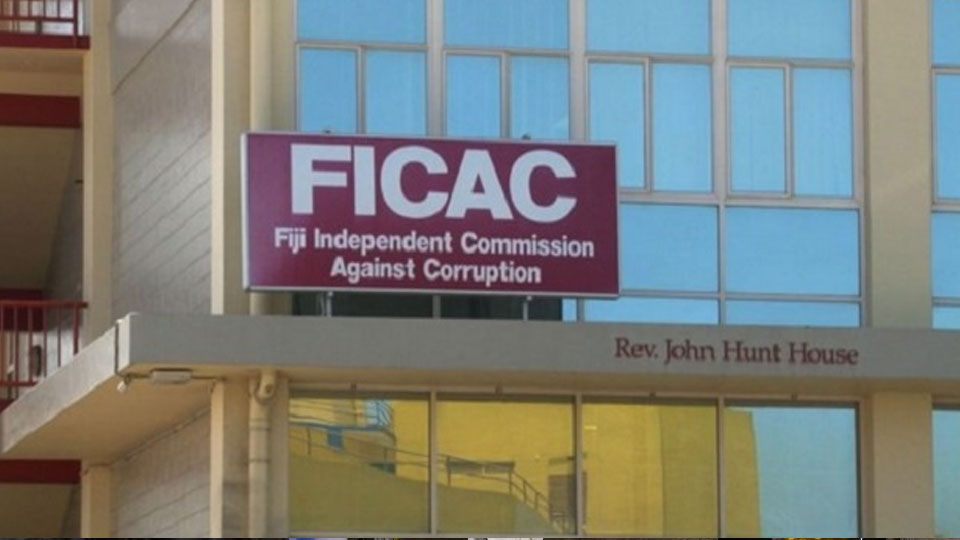
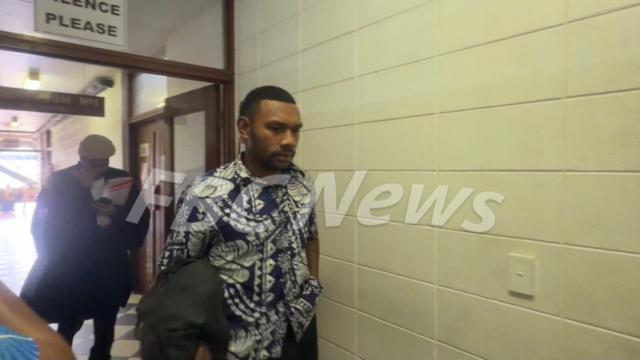
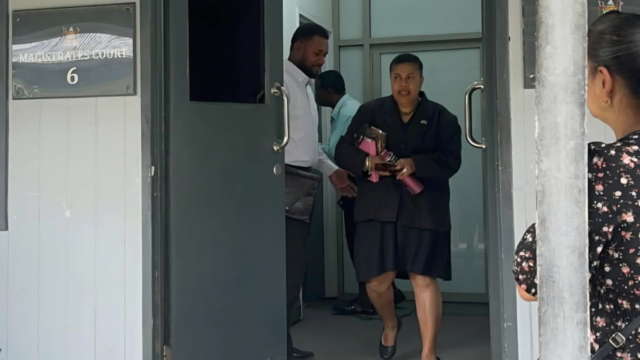
Lawyers for former journalist Charlie Charters have accused the Fiji Independent Commission Against Corruption of misusing its powers, alleging his arrest and detention were carried out to pressure him into revealing confidential sources.
In a letter addressed to FICAC, Charters’s legal team claims the Commission’s actions amount to coercion rather than a bona fide criminal investigation.
The strong claims come after Charters was stopped from departing Fiji and detained for questioning. His caution interview was suspended at 12.43pm today and, according to his lawyer, had not resumed by 5.15pm. The letter states no explanation was provided for the delay and calls to investigators were not returned.
The legal team argues that the delay has unnecessarily prolonged his detention.
Central to the lawyer’s argument is the claim that Charters has not been arrested as part of a genuine investigation, but instead to force him to disclose the source of his information.
The letter states Charters has declined to answer questions and will continue to exercise that right.
He has been advised that he is under suspicion of aiding and abetting a FICAC officer in allegedly disclosing information without authority. However, his lawyer claims FICAC has not identified the officer involved and suggests investigators themselves do not know who that officer is.
It is further alleged that FICAC officer Mosese Matanisiga told Charters on at least three occasions in the presence of witnesses including his wife and two lawyers that he would be released and not subject to further investigation if he disclosed his source.
The lawyer claims this demonstrates that the “clear purpose” of the arrest and detention was to extract information.
The letter also challenges FICAC’s use of its powers under Section 13(1)(g) of the FICAC Act to prohibit Charters from leaving Fiji.
According to his lawyer, FICAC indicated it would not proceed against him if he provided information relating to another investigation even before completing an interview.
The legal team argues this shows the arrest was not for the purpose of pursuing a charge, but to compel cooperation.
They have questioned how a charge of aiding and abetting could be formulated when the identity of the alleged officer involved has not been established.
The letter concludes by placing FICAC “on notice” and reserving all of Charters’s legal rights, while accusing the Commission of grossly misusing its statutory powers.
FBC News has sought a response from FICAC regarding the allegations.