 Litia Cava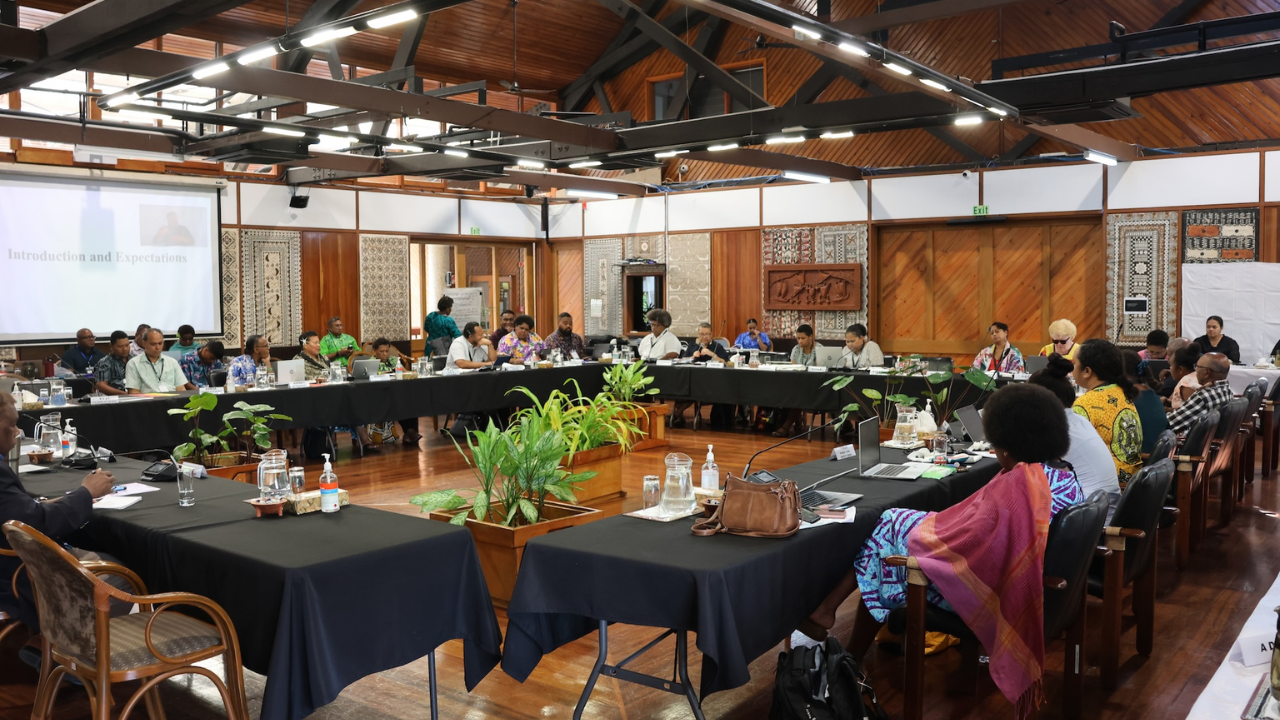
[Photo: PACIFIC ISLANDS FORUM/ FACEBOOK]
Parliament has approved the ratification of the Agreement establishing the Pacific Resilience Facility.
The decision marks a major regional shift in climate finance delivery. It aims to speed up access to grant funding for climate adaptation and disaster response.
The main issue raised in the debate was the slow and complex access to global climate finance.
Lawmakers said this delay has left vulnerable Pacific communities exposed to repeated disasters. They stressed the need for a system designed by the Pacific for the Pacific.
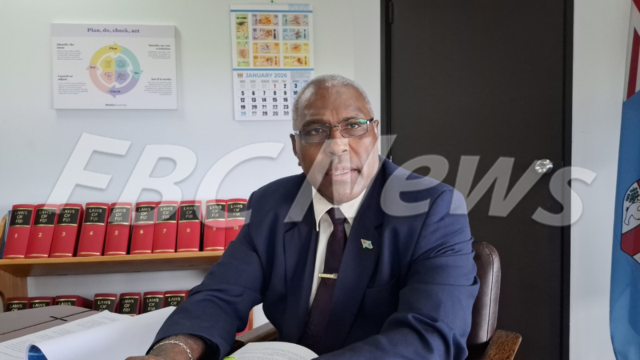
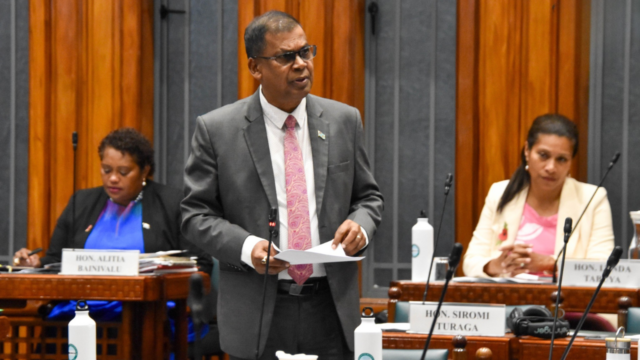
Acting Attorney-General and Minister for Justice Siromi Turaga moved the motion. He said the facility will provide grant-based funding for climate adaptation, disaster preparedness and loss and damage. He said the structure is designed to avoid new debt for member countries.
Turaga states the facility will be based in Tonga and operate as a legal international organisation. It will be able to manage funds, sign agreements and carry out its functions independently.
He explained that governance will be shared through a Council and a Board. Decisions will be made mainly by consensus. He said member states will not be liable for the facility’s debts or actions.
Opposition MP Virendra Lal supported the move. He said the facility will improve access to climate funds. He said it will allow faster disbursement after disasters.
He also said it would support Fiji’s national adaptation priorities.
Lal said participation would strengthen Fiji’s role in regional climate governance. He said it aligns with the Blue Pacific approach. He added that Fiji should help shape the system from within.
Minister for Rural Development Mosee Bulitavu also backed the motion. He said climate impacts are increasing across Fiji.
He cited stronger cyclones, flooding and coastal damage. He said current funding systems are too slow. He said the new facility will provide practical support. This includes seawalls, drainage systems and ecosystem restoration.
Bulitavu also acknowledged regional partners. He said the Pacific Islands Forum has worked to advance the initiative. He said predictable funding is urgently needed for affected communities.
Opposition MP Rinesh Sharma described the facility as a major change in climate finance. He said it replaces loans with grants. He said this removes pressure on the national debt.
He said small businesses and vulnerable groups will benefit most. He pointed to micro and small enterprises that struggle in the aftermath of disasters. He said faster access to funds is critical for recovery.
Sharma also warned that non-participation would limit Fiji’s influence. He said Fiji would be left out of key decisions. He urged the country to take part in shaping the system.
Prime Minister Sitiveni Rabuka said the facility reflects regional cooperation. He said it builds on Pacific-led work over several years. He said it responds to realities that cannot be ignored.
He said Pacific communities are already adapting to climate change. He said the facility supports those efforts with practical financing tools.
Standing Committee Chair Lenora Qereqeretabua confirmed strong support from stakeholders. She said consultations included government, civil society and the private sector. She said there is clear agreement on the need for faster access to funding.
She said failure to ratify would exclude Fiji from decision-making. She said it would also limit Fiji’s influence on funding priorities.
Transport Minister Ro Filipe Tuisawau highlighted infrastructure benefits. He said the facility will support roads, water systems and energy projects. He said it will also improve early warning systems.
He said the mechanism would complement national agencies. He said it will help deliver climate-resilient infrastructure across the country.
Fiji is now formally part of the Pacific Resilience Facility agreement.