 Litia Cava
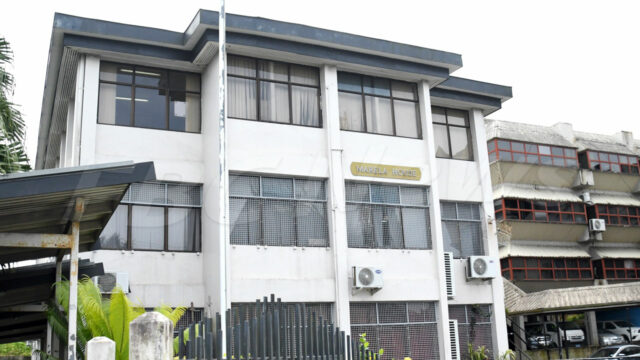
[Photo: FILE]
Falling conviction rates in corruption cases have raised concern in Parliament during debate on the Fiji Independent Commission Against Corruption (FICAC) 2020–2023 Annual Reports.
Parliament also discussed institutional capacity and possible reforms to strengthen Fiji’s anti-corruption framework.
The Standing Committee report highlighted a notable fall in conviction rates over the three years.
The rate declined from 65 per cent in 2020–2021 to 60 per cent in 2021–2022, before dropping to 38 per cent in 2022–2023. The report also recorded fluctuations in investigations, backlog pressures, and changes in case closures.
Opposition MP Rinesh Sharma described the falling conviction rate as a concern for deterrence. He said lower conviction outcomes reduce the perceived risk of corruption offences. He also pointed to 173 pending court cases. He warned that delays may weaken evidence and affect witness reliability.
Sharma also referred to discussions about the future structure of FICAC. He cited views suggesting the agency could be abolished and its functions transferred to existing institutions. He said any reform should strengthen, not weaken, anti-corruption enforcement capacity.
Opposition MP Premila Kumar also raised concerns about resources and institutional performance. She noted that FICAC staffing declined from 145 officers to 129 over the reporting period. She also said the budget was reduced by about $2 million in the recent financial year.
Kumar said the agency was operating under increasing pressure as case complexity rises.
She highlighted backlog trends, with carried-forward cases increasing from 283 to 359 before improving to 229. She said this shows partial recovery but ongoing strain.
She also pointed to structural changes in the justice system, including the removal of a dedicated anti-corruption court division. She said this may have contributed to delays in case processing. Kumar called for stronger whistleblower protections and better monitoring systems to measure outcomes.
Kumar acknowledged FICAC’s prevention work, including its public awareness campaigns such as “I Do Not Accept Bribes.” However, she said impact measurement needs strengthening to assess behavioural change more effectively.
Lands Minister Filimoni Vosarogo said the report reflects progress and operational challenges. He noted that FICAC continues to handle a large number of complaints and remains central to accountability efforts.
He said conviction fluctuations and case delays point to broader system pressures. Vosarogo also raised concerns about overlapping functions between investigative and prosecutorial bodies. He suggested that a clearer separation of roles could improve efficiency.
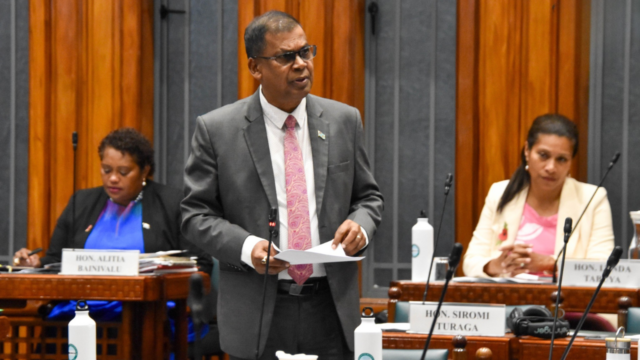
Minister for Justice and Acting Attorney-General Siromi Turaga also acknowledged concerns over delays in corruption cases. He said some matters remain pending for extended periods, affecting public confidence.
Turaga said improving efficiency in investigations and court processes was a priority. He emphasised the need for stronger coordination between institutions and timely resolution of cases. He also highlighted the importance of prevention work and public awareness.
The Standing Committee on Foreign Affairs and Defence identified mixed operational performance across the three years. New investigations fell sharply during the pandemic period before rising to 158 cases in 2022–2023. Cases under investigation declined from 286 to 177, while case closures increased from 36 to 137.
Despite improvements in closures, backlog challenges remained. Carried-forward cases rose significantly before later declining. The report said this reflects both recovery and continuing operational pressure.
In the legal and prosecution area, pending cases increased before stabilising. The Committee said declining conviction rates may indicate issues in case preparation and coordination between investigative and prosecution teams.
The report also identified operational constraints, including outdated manual systems, limited forensic tools, and staffing shortages. It recommended investment in digital systems, improved workforce planning, and stronger case management processes.
Financially, FICAC received unqualified audit opinions across all three reporting years. Its budget increased from $7.98 million in 2020–2021 to $10.51 million in 2022–2023. The Committee, however, said funding must be more closely aligned with performance priorities.
A key governance concern raised was the absence of clearly defined performance indicators.
The Committee said this limits effective monitoring of outcomes and accountability.