 Praneeta Prakash

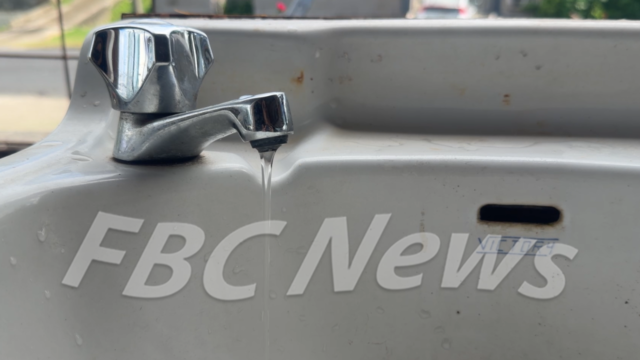
[Photo: FILE]
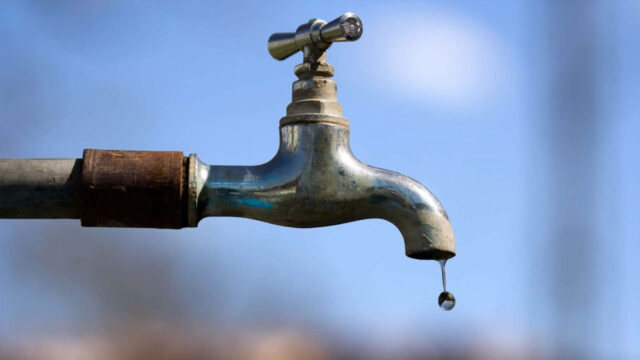
Households and businesses across parts of Nadi and Lautoka will face overnight water rationing from tonight as prolonged dry weather pushes water sources below critical levels.
The Water Authority of Fiji says controlled valve operations will take place daily from 9pm to 4amuntil further notice.
Customers in affected areas may experience low pressure, intermittent supply or no water during these hours.
WAF says the measures will allow reservoirs to recover overnight and build storage for daytime supply.
As of November 12, Vaturu Dam stood at 521.860 metres above mean sea level, below its critical operating threshold of 522 metres and storage was approximately 60.5 percent of full capacity.
The authority says limited inflows and evaporation continue to reduce storage.
Falling dam levels are also affecting the flow of raw water to the Nagado Water Treatment Plant, where inflow and production have declined by approximately 2.5 percent.
Production at Buabua Water Treatment Plant has fallen by about 15 percent, while Saru has recorded an approximately 50 percent reduction in raw water inflow and production.
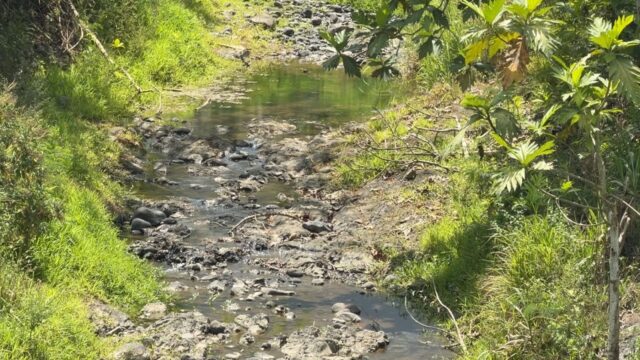
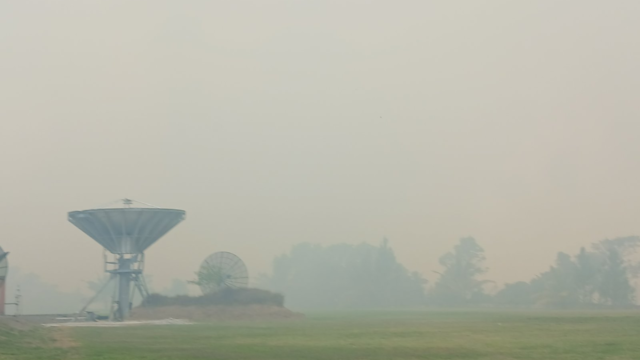
WAF says the Western Region has experienced more than three months of below-average rainfall, with dry conditions expected to continue through February next year.
The affected Lautoka supply zones include Saru Vuda, Tavakubu Kashmir, Phlugger Tualesia and Buabua. These cover areas including Natabua, Natokowaqa, Waiyavi Stage Five, the Lautoka central business district, Teidamu and Matawalu.
In Nadi, affected areas fall within the Sabeto, Narewa, Nawaka and Korovuto zones. These include parts of Namaka, Martintar, Wailoaloa, Nadi Town, Denarau and southern Nadi through to Momi.
WAF will begin reversing valve operations at 4 am, although supply may take longer to reach some locations, particularly elevated areas.
The authority has activated supplementary sources and temporary pumping arrangements. However, continuing dry weather is also reducing the water available from these sources.
Customers are urged to prioritise drinking, cooking, personal hygiene and sanitation, and stop non-essential activities such as lawn watering, vehicle washing and filling swimming pools.
Households and businesses are also encouraged to repair leaks and keep a reasonable backup supply in clean, covered containers.
WAF warns that if conservation efforts are insufficient, it may introduce formal restrictions on non-essential water use, subject to statutory notice requirements.
Water carting trucks will remain on standby, with assistance subject to operational requirements and availability.