 Litia Cava

[Photo: FILE]
The expanded surveillance powers under the new Fiji Police Bill have raised concerns over personal privacy and constitutional rights.
The Bill provides police with a stronger legal basis to conduct covert surveillance, track individuals and access digital information.
The legislation introduces investigative powers designed to help police tackle sophisticated criminal networks but Opposition MPs have warned that strong safeguards and specialised training will be essential to prevent abuse.
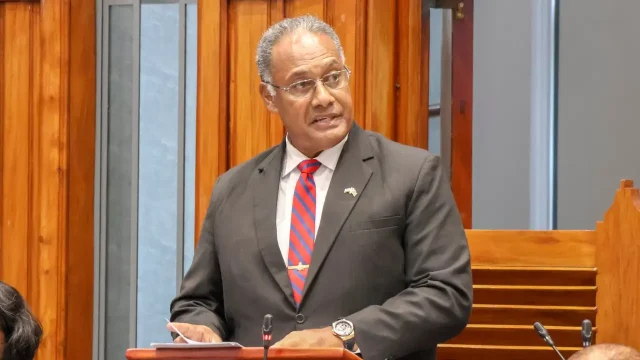
Minister for Policing Ioane Naivalurua said the Bill modernises police investigative powers to respond to emerging threats, including organised crime, illicit drug trafficking and technology-enabled offences.
Under clauses 56 to 67, police will have a framework for covert surveillance, covert or forcible entry and the use of tracking devices.
The Bill also provides for judicial authorisation of certain intrusive investigative activities, requiring consideration of the seriousness of the alleged offence, necessity,
proportionality, privacy implications and whether less intrusive methods are available.
Another significant provision concerns access to electronic devices.
Under the proposed framework, police can seek judicial authorisation to access digital information as part of criminal investigations.
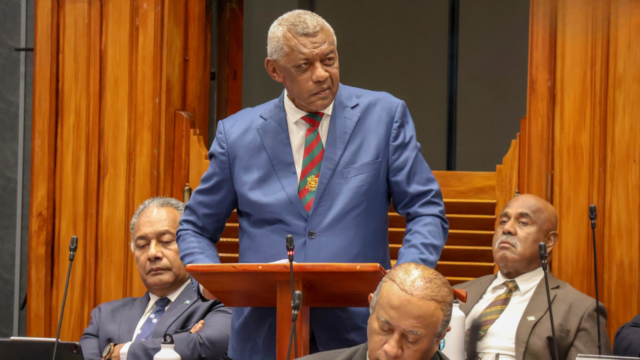
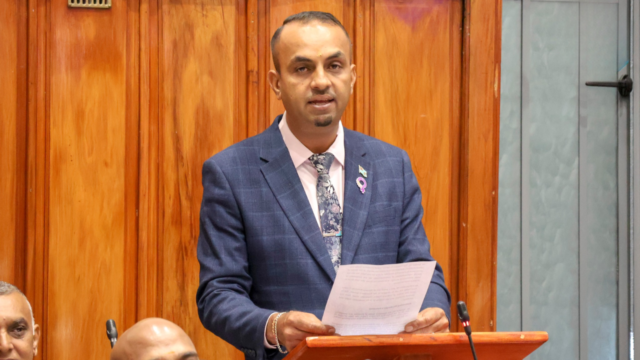
However, Opposition MP Faiyaz Koya questioned how far police access could extend once a phone or computer was seized.
He warned that digital devices contain extensive personal, financial and private information, much of which may have no connection to the criminal investigation.
Koya said the legislation must clearly address whether investigators can access only specific information relevant to an investigation or obtain access to an entire device.
He pointed to concerns over digital extraction technology, which can retrieve information even when it has been deleted, warning that the potential scope of access makes strong legal protections essential.
Koya also called for judges, magistrates and police officers to receive specialised training to understand the technical and legal implications of accessing digital evidence.
He cautioned against giving law enforcement extensive powers without sufficient safeguards, saying Fiji must avoid creating an environment in which citizens’ constitutional rights are compromised in the name of policing.
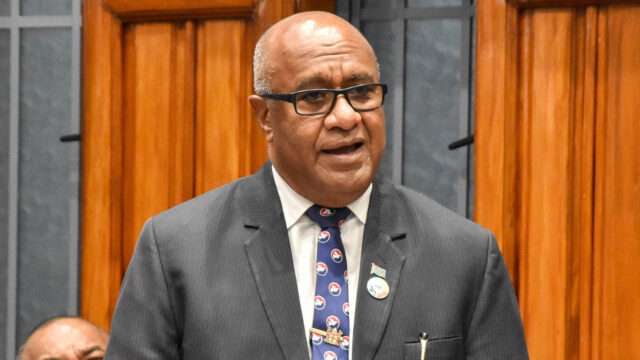
Prime Minister Sitiveni Rabuka also stressed that expanded police powers must be balanced by clear legal limits.
Rabuka said provisions relating to arrests, searches, surveillance, digital investigations and forensic procedures must be governed by necessity, proportionality and appropriate judicial oversight.
He highlighted the parliamentary committee’s recommendation to remove the provision allowing police to arrest someone without a warrant solely because that person was about to commit an offence.
Rabuka said the distinction between stronger policing and unlawful interference with individual rights must remain clear.
The Bill also provides for modernised search warrants, judicial oversight of certain urgent searches and procedures governing forensic evidence.