 Litia Cava
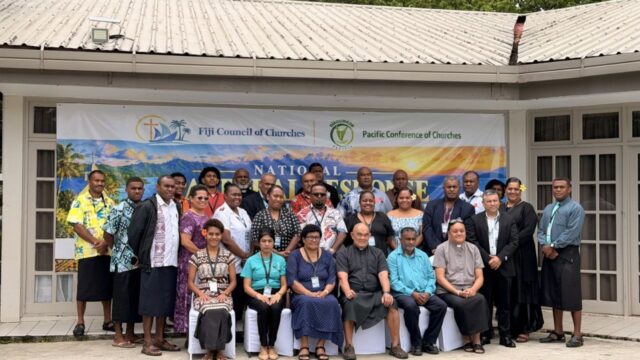
[Photo: SUPPLIED]
Drug crisis in Fiji is being linked to trauma, family breakdown and social isolation.
This has prompted the Fiji Council of Churches to call for a stronger community-based response.
The council is committing to train pastoral workers, establish youth safe spaces and strengthen support for families affected by addiction.
It states that drug abuse cannot be addressed through punishment alone, pointing to trauma, family breakdown and social isolation as underlying factors driving addiction.
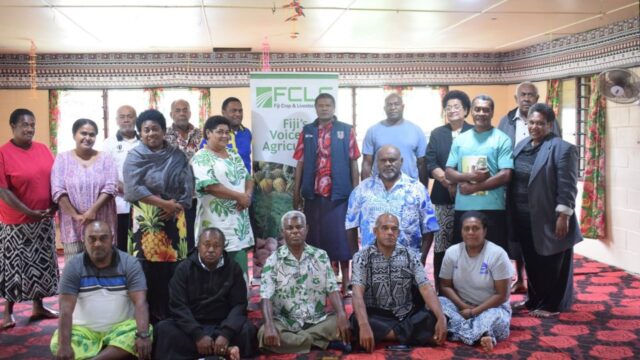
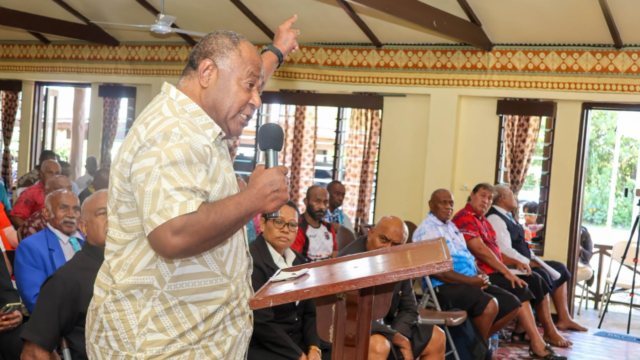
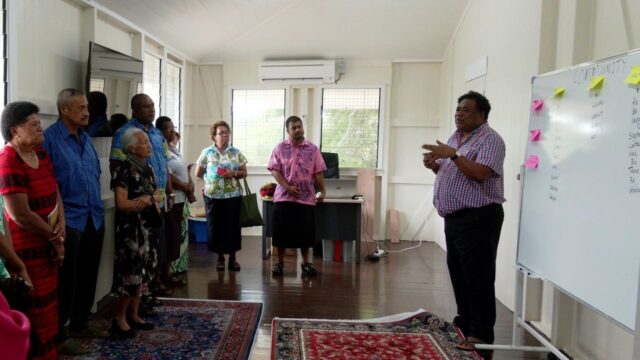
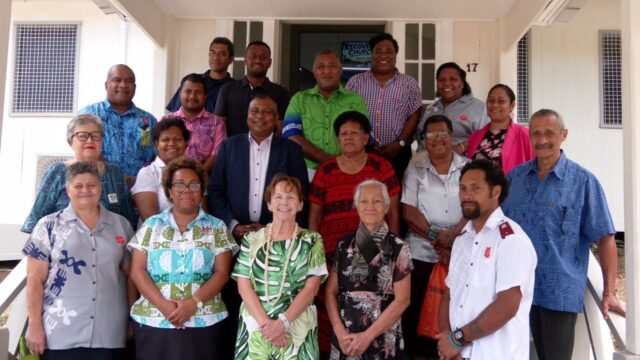
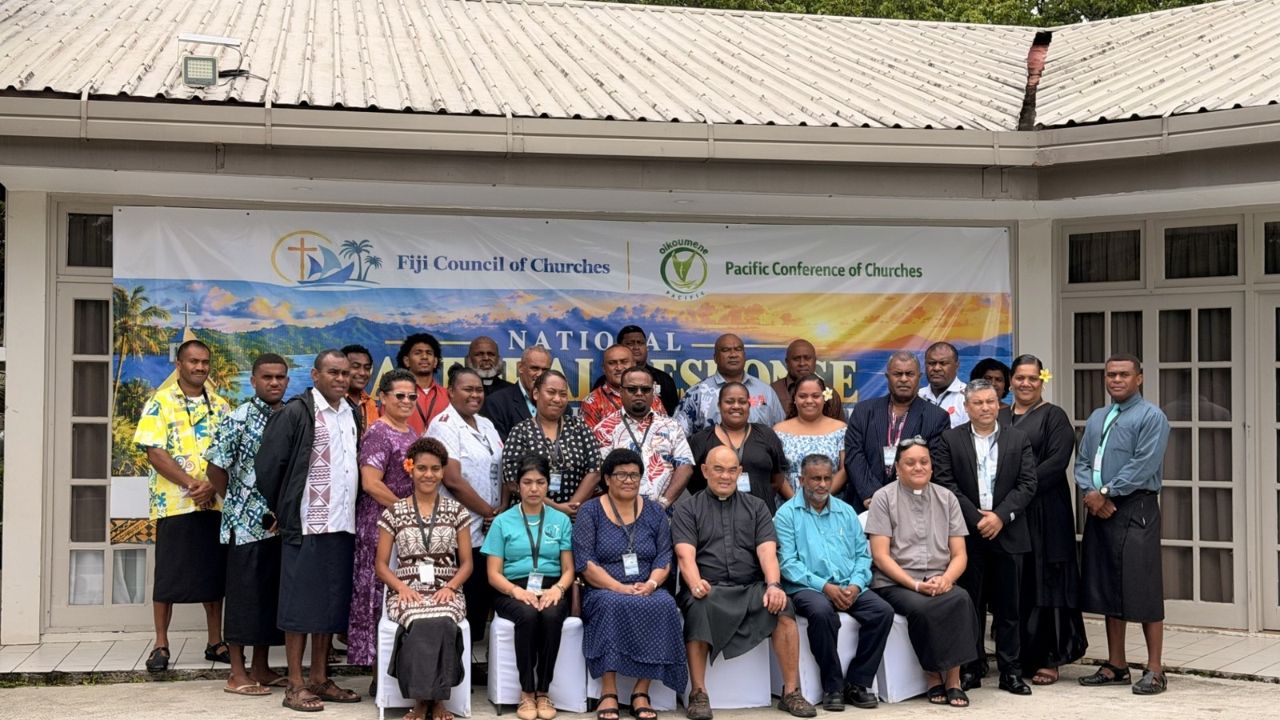
The commitments were outlined in a communique following a national workshop at the Lagoon Resort in Pacific Harbour, where delegates from Christian churches and faith-based organisations reviewed how to put into practice a covenant signed earlier this year.
The council described addiction as a symptom of a deeper culture of death, where profit and the desire to escape personal struggles are placed above human dignity.
However, it stressed that people affected by addiction must not be defined by their drug use or abandoned by their communities.
The communique states that every person is created in the image of God and is inherently valuable, worthy and loved.
It draws on the parable of the Good Samaritan, saying churches must be willing to recognise suffering and reach beyond their congregations to support those in need.
The Church is not a museum for saints but a field hospital for the wounded, the Council stated.
In response, the Council has outlined four commitments, beginning with making churches safe places where people affected by addiction and their families can seek help without facing stigma.
Each parish is expected to have a trained Pastors Companion to provide support and walk alongside affected individuals and families.
The Council will also focus on preventing drug abuse among young people by equipping parents to have difficult conversations and developing youth ministries that offer positive alternatives.
Another priority is establishing formal referral arrangements with the Ministry of Health’s addiction services, alongside closer cooperation with the Fiji Police Force, the
Substance Abuse Advisory Council and other churches.
The council also intends to advocate for rehabilitation centres and policies that address poverty, unemployment and corruption, which it says contribute to the crisis.
Its 12-month action plan includes training trainers in pastoral care, holding a National Sunday of Pastoral Response under the theme Break the Silence, establishing community and youth safe spaces, and appointing an Ecumenical Liaison to coordinate the churches’ work.
The council is calling on church leaders and congregations to confront the stigma and cultural taboos surrounding drug addiction rather than remain silent.
It says the response must go beyond statements of concern, with churches expected to translate their commitments into practical support for individuals, families and communities.